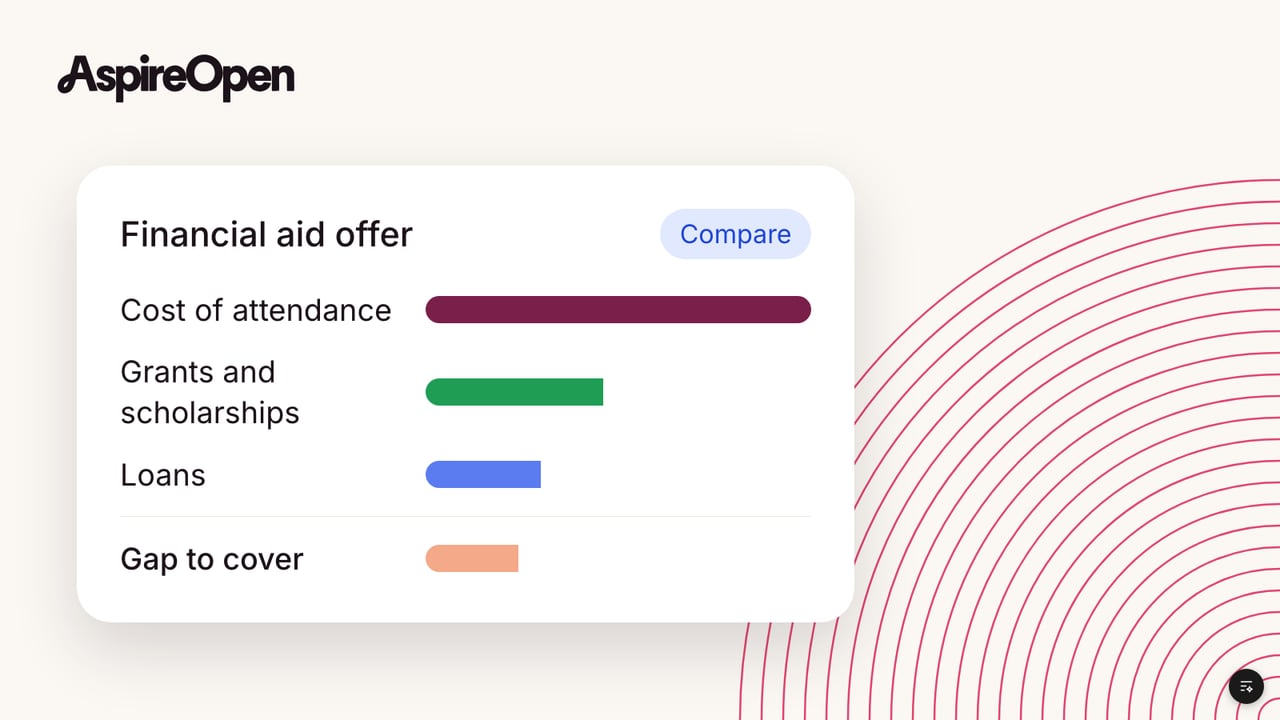
A job with an education benefit can help with college, but “tuition reimbursement” does not always describe how payment works. Some employers prepay approved education; others cover selected programs through a partner. Compare the written policy for your role and intended degree before treating an advertised benefit as part of your college budget.
Three verified programs to investigate
| Employer and official benefit | Published eligibility or timing | Education scope | Important limit |
|---|---|---|---|
| Amazon Career Choice | Amazon’s FAQ says most hourly full- and part-time employees qualify after 90 days | Prepaid education and skills training through selected education partners | Your job category and chosen program must qualify |
| Walmart Live Better U | Eligible full- and part-time associates can start on day one | Selected certificates and degrees; little or no out-of-pocket tuition and required-book cost | Temporary associates, specified senior salaried roles, and people already holding a bachelor’s are excluded |
| Starbucks College Achievement Plan | Eligible Starbucks partners | 100% tuition coverage for qualifying ASU online bachelor’s study | This is not a promise to pay for any college or graduate degree |
These are benefit examples, not confirmed vacancies, employer rankings, or job offers. Verify the policy attached to a specific opening. Amazon eligibility FAQ.
Understand the payment arrangement
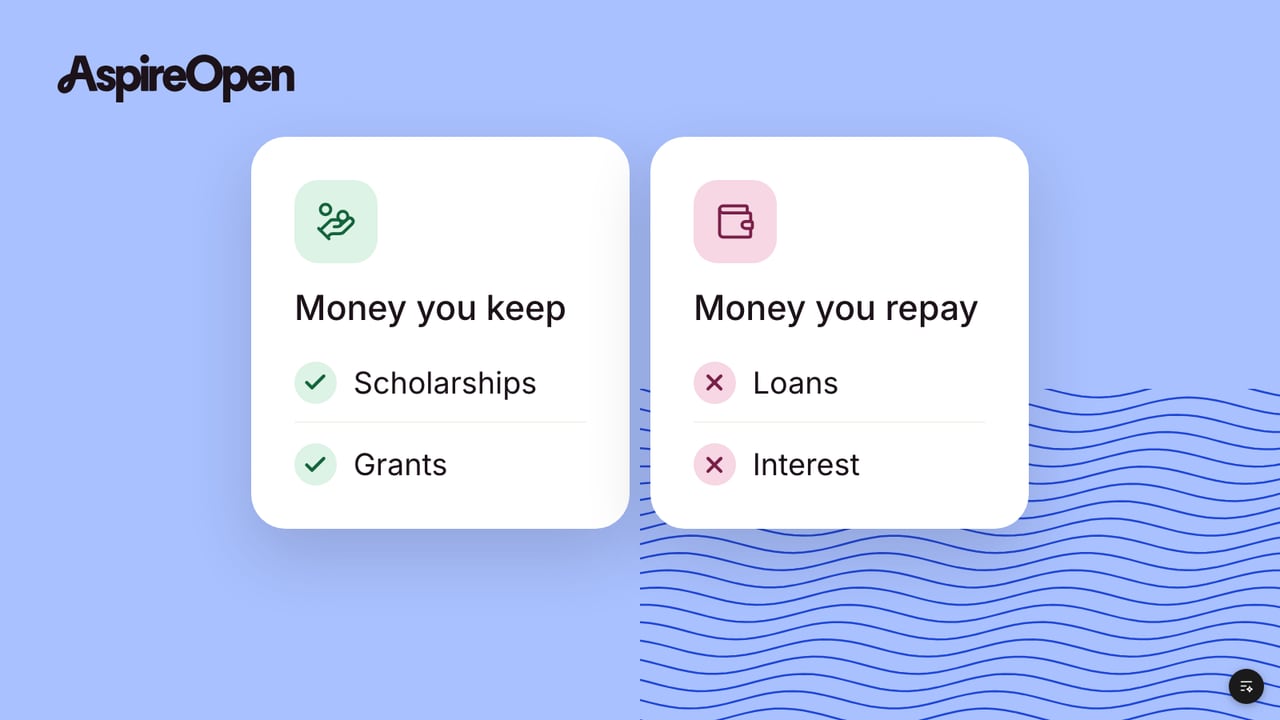
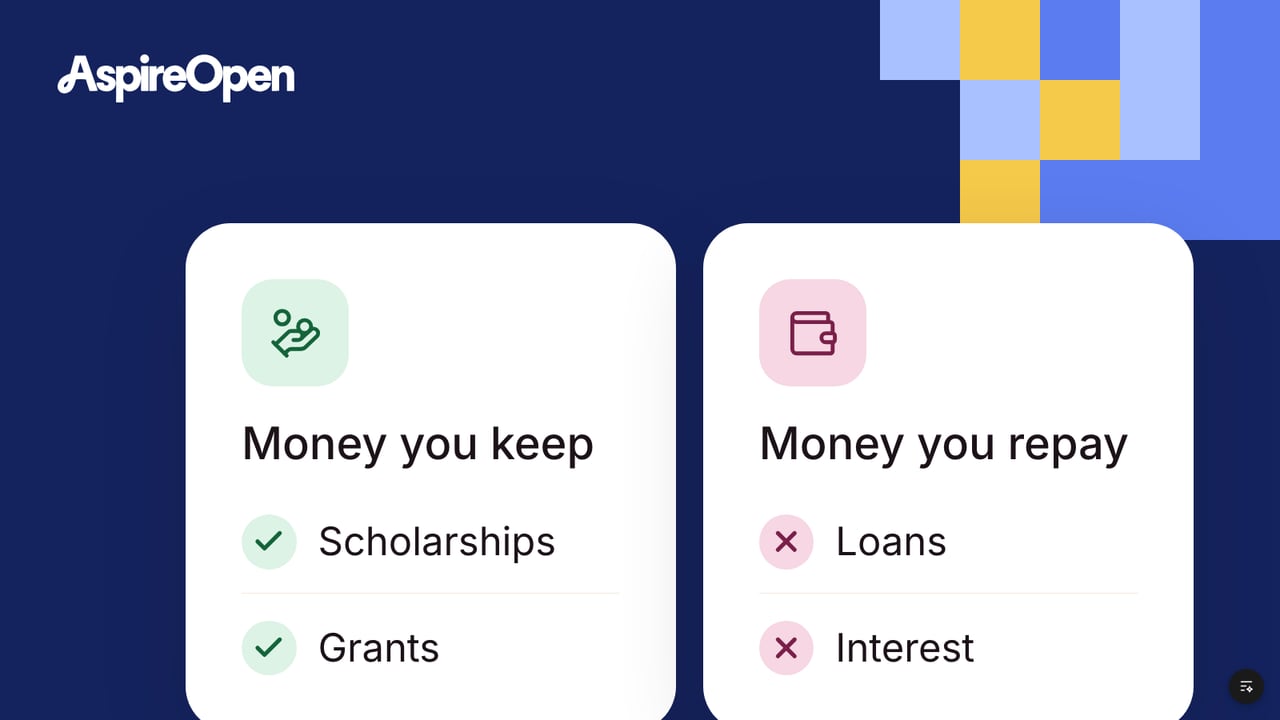
For a traditional reimbursement arrangement, ask whether you must initially pay, meet a grade requirement, and submit receipts before receiving money. For prepaid programs, ask which expenses the provider pays directly and whether any books, supplies, technology, or mandatory fees remain your responsibility. Do not infer room-and-board coverage from “tuition.”
Amazon describes Career Choice as prepaid tuition and direct funding to education partners. That is different from assuming a student must first pay an entire term out of pocket. The employer’s FAQ also says participation can continue while employees remain eligible, without a limit on the number of participating years. Career Choice overview; Amazon FAQ.
Walmart says federal or state grant aid applies first, with Live Better U covering the remaining qualifying tuition and required-book costs. This matters when comparing benefit value: do not count the same grant twice in your budget. Its official page also says there is no obligation to remain at Walmart after completion; do not assume another employer has the same rule. Live Better U policy.
Check that the credential fits your goal
Make two lists: the qualification you actually want and the programs the benefit covers. Their overlap matters more than a headline maximum.
A student seeking an ASU online bachelor’s can investigate Starbucks’ plan. A student seeking a graduate degree at another university should not assume that this particular plan will fund it. Likewise, inspect Walmart’s current program catalog and Amazon’s partner offerings rather than assuming every major is available. Starbucks/ASU; Walmart catalog; Career Choice.
Ask HR these questions in writing
- Does this exact role, location, employment status, and weekly schedule qualify?
- When would eligibility begin, and must it already exist when the course starts?
- Is my college, program, and credential approved before enrollment?
- What happens if I reduce hours, withdraw from a class, fail a course, or leave the job?
- Are there annual limits, uncovered fees, grade rules, or repayment obligations?
- Where can I read the current policy and submit approvals or invoices?
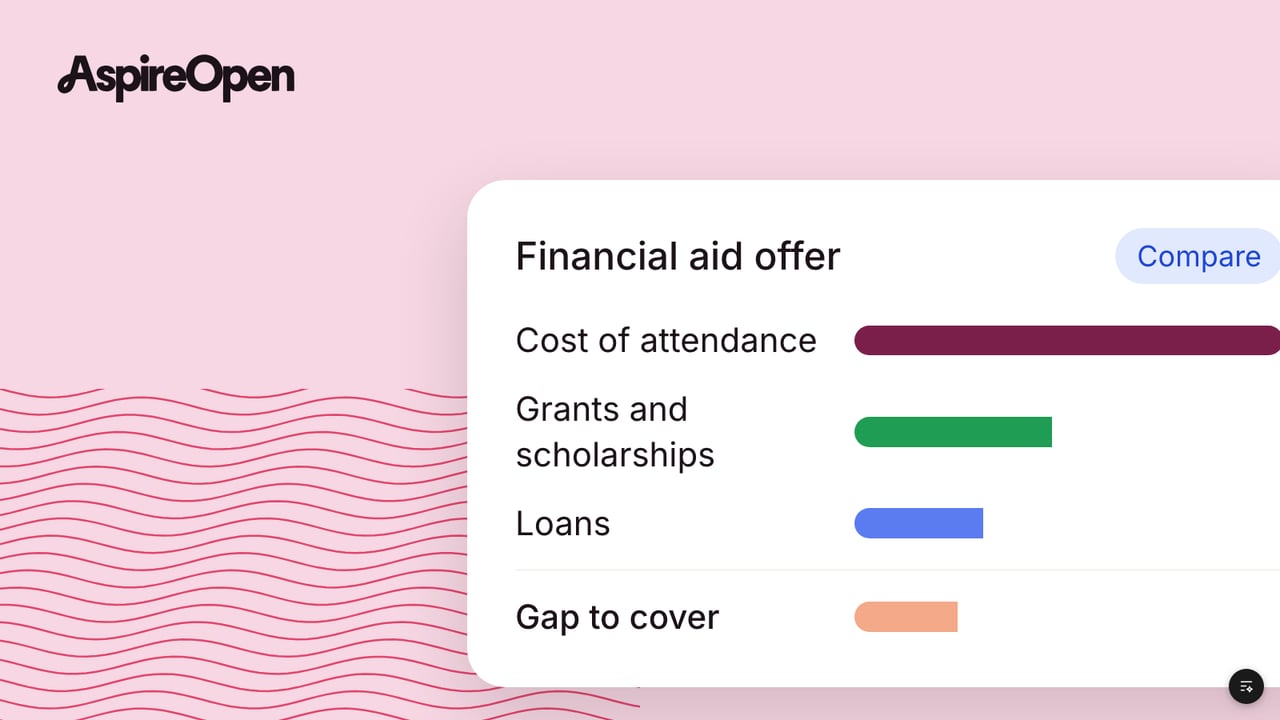
Illustrative comparison: One offer may cover a relevant degree sooner but require a schedule that conflicts with classes. Another may fit your schedule but leave an upfront payment gap. Put wages, commute, course access, uncovered costs, and payment timing on the same sheet. This example assigns no invented benefit amounts or employee outcomes.
Frequently asked questions
Does part-time automatically mean ineligible? No. Amazon and Walmart explicitly describe qualifying part-time participation. Eligibility still depends on the employer’s rules.
Should I enroll before getting a job? Do not assume a later hire makes an earlier course eligible. Obtain written approval and timing rules first.
What is the next step? Pick a real job opening, request the current education-benefit policy, and check your intended program with the benefit administrator before accepting or enrolling.