Current aid categories can be researched through Federal Student Aid. This guide does not verify eligibility or promise that grants, scholarships or work opportunities will cover your costs.
Calculate the cost you must fund
List tuition-related charges, living expenses, transport, required materials and other relevant costs. Keep the school estimate separate from your personal assumptions.
Look beyond one term. A first-year award or temporary living arrangement does not automatically fund the entire program. Record renewal conditions and future uncertainties separately.
Divide resources by certainty
Use three columns: committed, pending and speculative. Put an actual documented award in committed only after you understand its terms. Keep scholarship applications and hoped-for employment income out of that column.
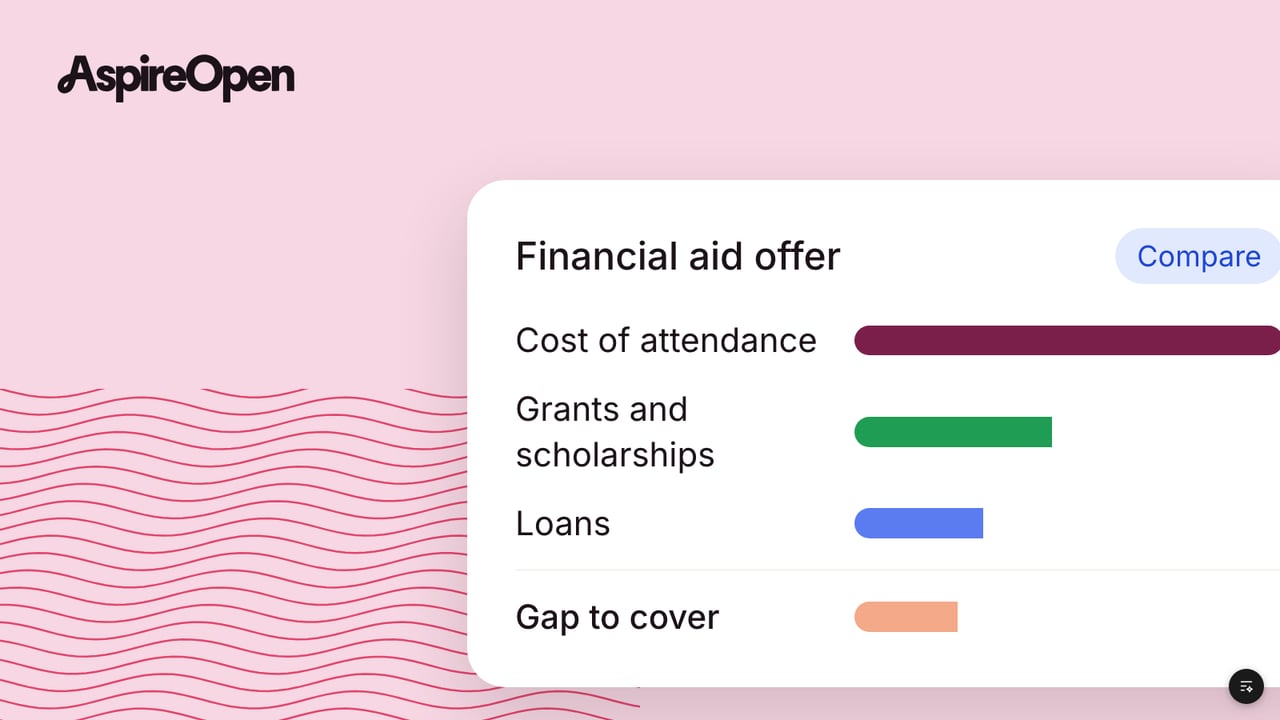
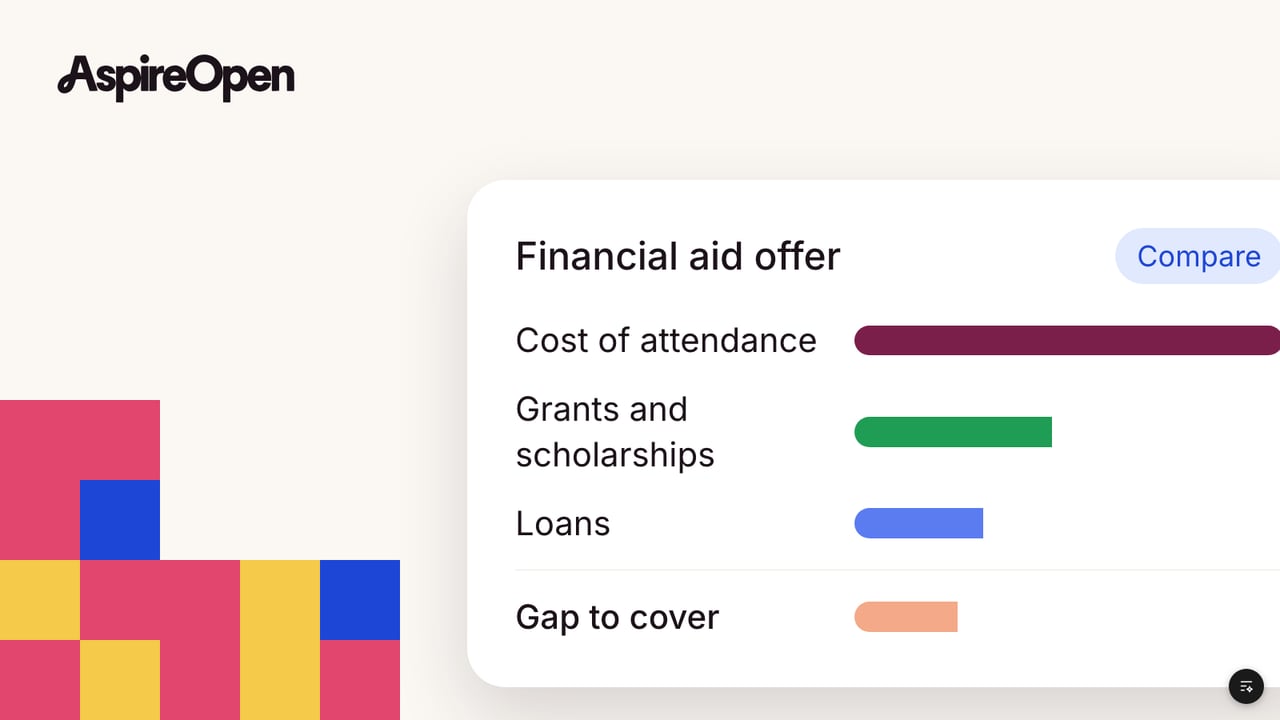
A fictional $12,000 budget with $7,000 of confirmed resources still has a $5,000 gap even if several scholarship applications are promising. Applications are work in progress, not cash.
Investigate cost changes carefully
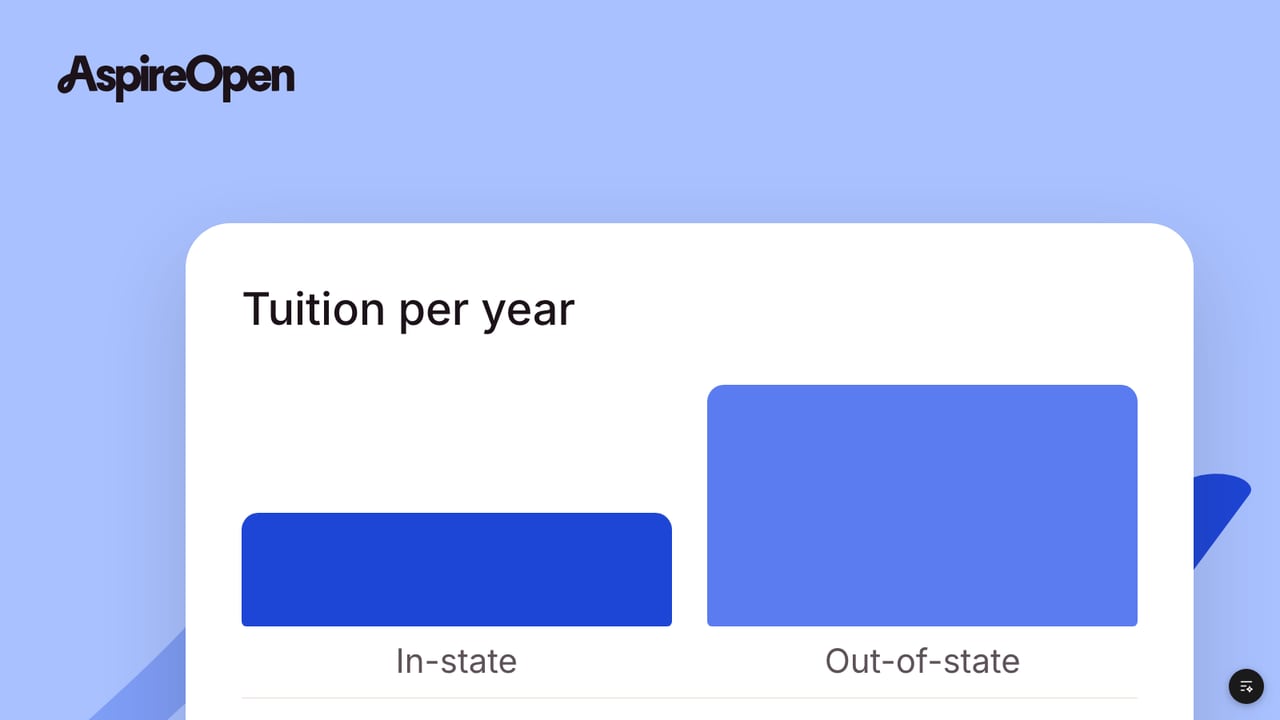
Compare institutions, living arrangements and enrollment plans. Ask how a change affects course availability, completion timing and aid before counting it as savings.
A lower term bill is not necessarily a lower total cost if it changes the time needed to complete the program. Avoid assuming credits will transfer without official confirmation.
Make employment assumptions realistic
Estimate work hours alongside class time, transport and existing responsibilities. Verify pay, availability and scheduling before including income.
Do not assume an employment award or job lead provides money at the moment a bill is due. Ask how payment timing works and plan the cash-flow gap separately.
Use scholarships as a targeted process
Prioritize verified opportunities that fit your situation. Track eligibility, documents and deadlines. Avoid building a budget around winning a specific award or paying a service for a guaranteed result.
If a school’s official offer changes, update the budget rather than keeping an earlier optimistic version.
Know when the plan is not funded yet
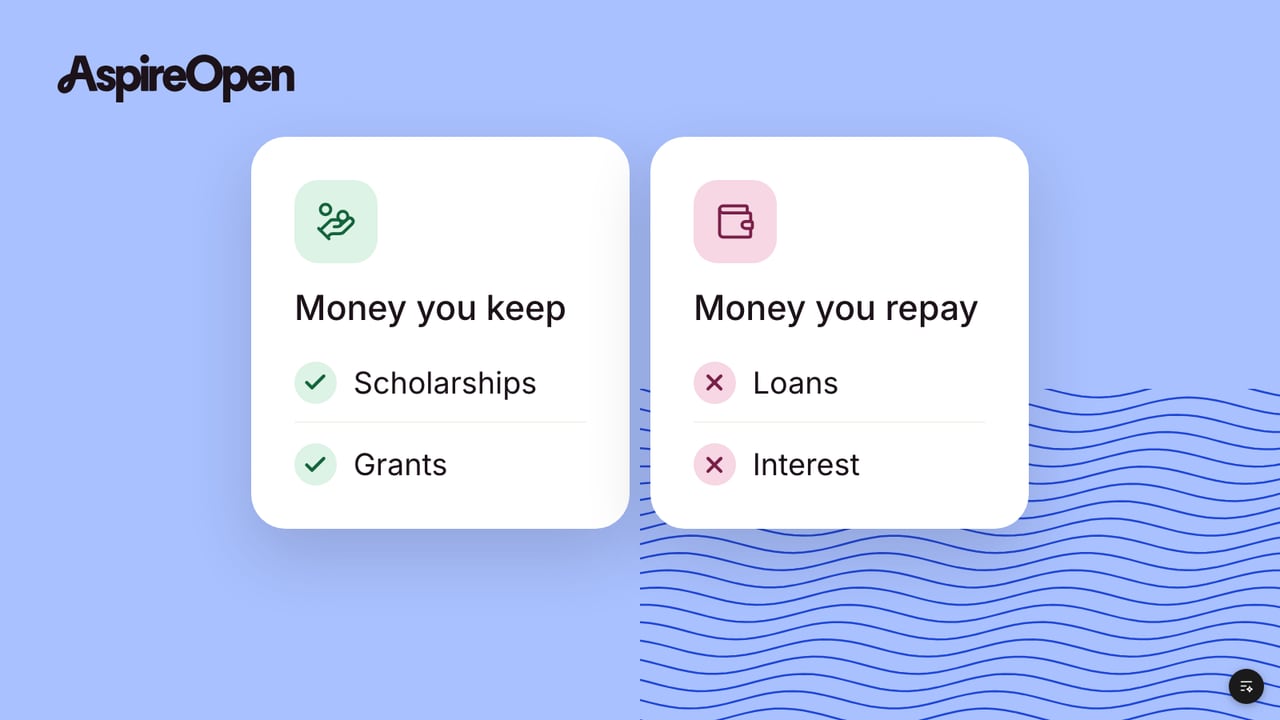
A no-loan goal is useful, but it should not conceal an unresolved gap. Ask the school about verified options and compare alternatives before signing commitments or missing a payment.
Your next step is a complete enrollment-period budget with only confirmed resources counted as available. Then identify the smallest set of unresolved items that would make the plan workable.