This is a planning exercise, not individualized financial advice or a promise about future earnings. Use actual loan disclosures and authoritative career data before making a borrowing decision.
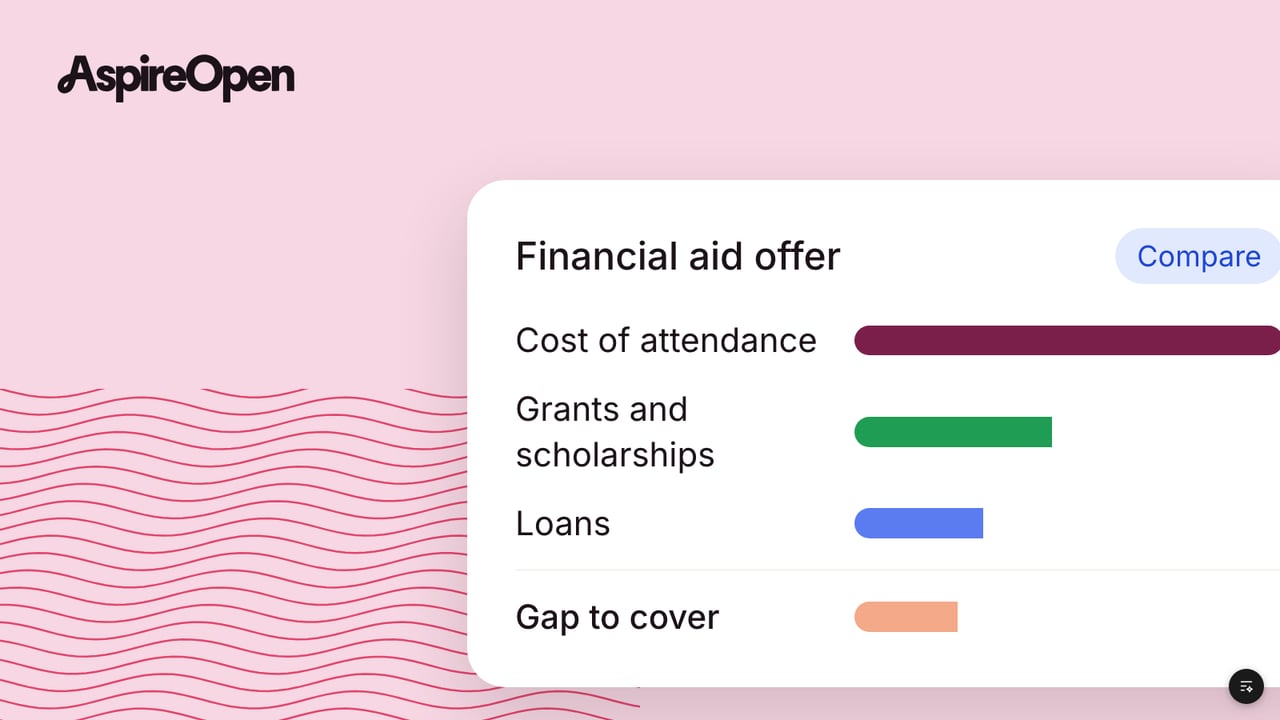
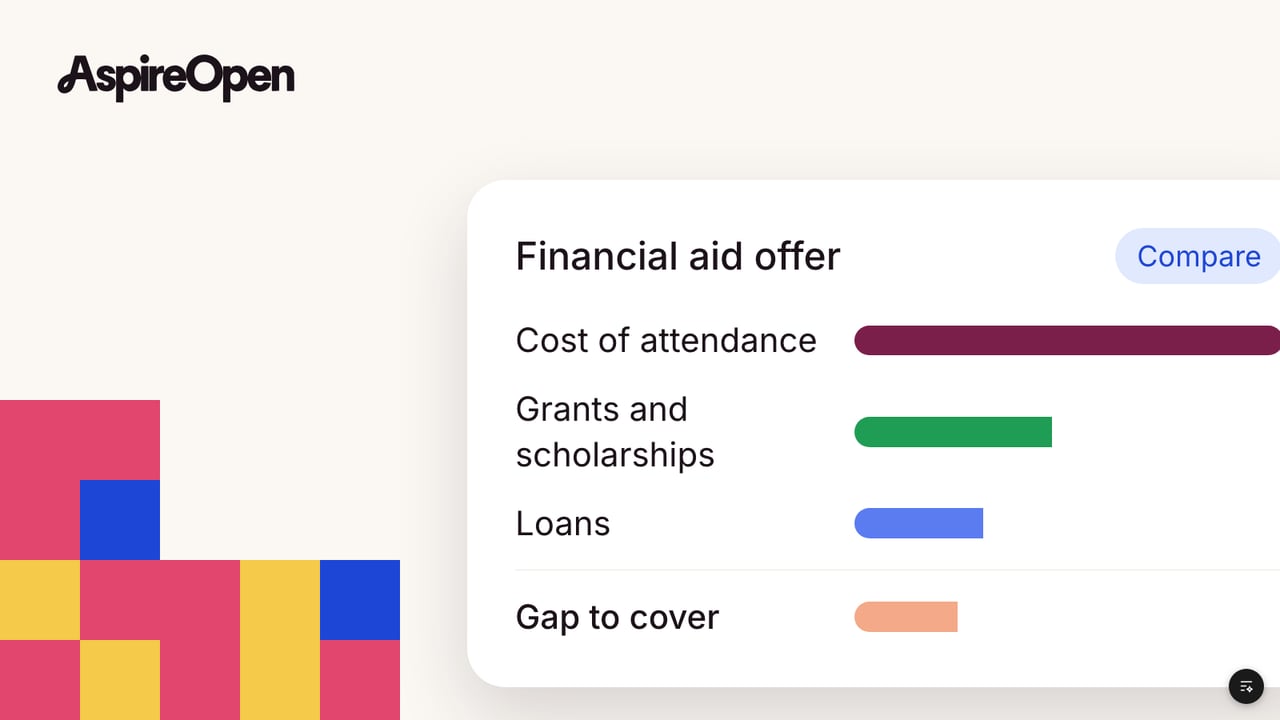
Estimate the full education gap
Compare costs across the entire remaining period of study, not only the first term. Separate confirmed funding from hoped-for scholarships or employment.
Write down uncertain items: living costs, enrollment length, transport and whether a job schedule is realistic. Do not hide uncertainty inside a single precise-looking total.
Build a post-school monthly budget
Use after-tax income estimates, then list housing, food, transport, insurance, existing obligations and a buffer for irregular expenses. Keep the sources and assumptions visible.
Ask whether the budget depends on a particular job, city or immediate employment. If it does, build an alternative scenario rather than assuming the ideal outcome.
Test the repayment amount
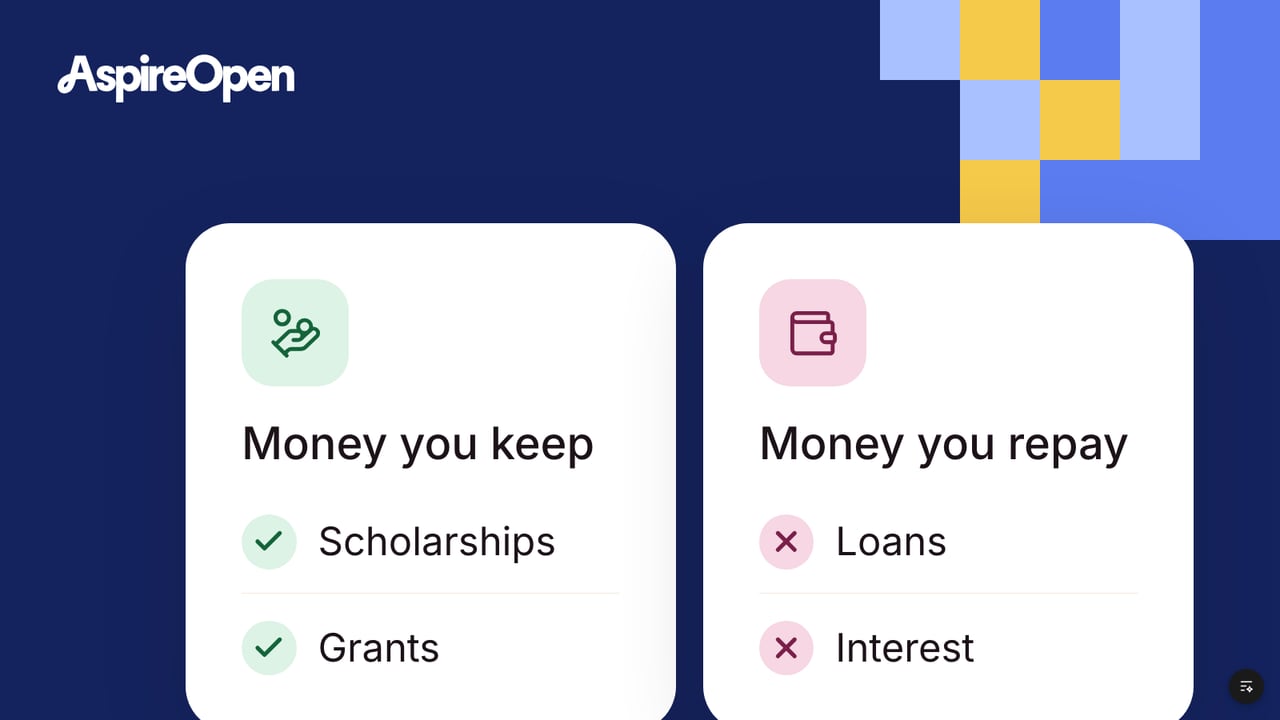
Use the actual proposed debt, rate and term in a transparent calculator. Record what the model excludes, including fees or interest accrued before repayment.
In a fictional budget, $2,700 of monthly take-home pay minus $2,300 of nonloan spending leaves $400 before the proposed loan payment and additional uncertainty. A $300 payment would leave $100. That arithmetic describes little room for error; it is not a universal affordability threshold.
Run a downside scenario
Try lower income, higher housing costs or a longer search for work. Ask which expenses can genuinely change and which are commitments.
Do not assume future refinancing will solve an unaffordable payment. Approval and terms are uncertain. Likewise, do not budget on forgiveness before verifying a specific program and its conditions.
Compare education choices
If the result is strained, investigate lower-cost institutions, different living arrangements, a revised course plan or additional verified nonloan funding. Confirm how each change affects graduation plans and aid before assuming savings.
The goal is not to choose the cheapest option blindly. It is to understand what each choice asks you to repay and what tradeoffs it creates.
Next step
Prepare a baseline and a downside budget using the same proposed debt. If either relies on unsupported assumptions, resolve them before borrowing. A lender’s approval is not a personalized finding that the debt fits your life.