This guide explains how to read and compare an offer. It does not verify current federal eligibility, interest benefits, annual limits, rates or repayment rules. Use the actual offer and current official loan instructions for those details.
Build a period-by-period interest record
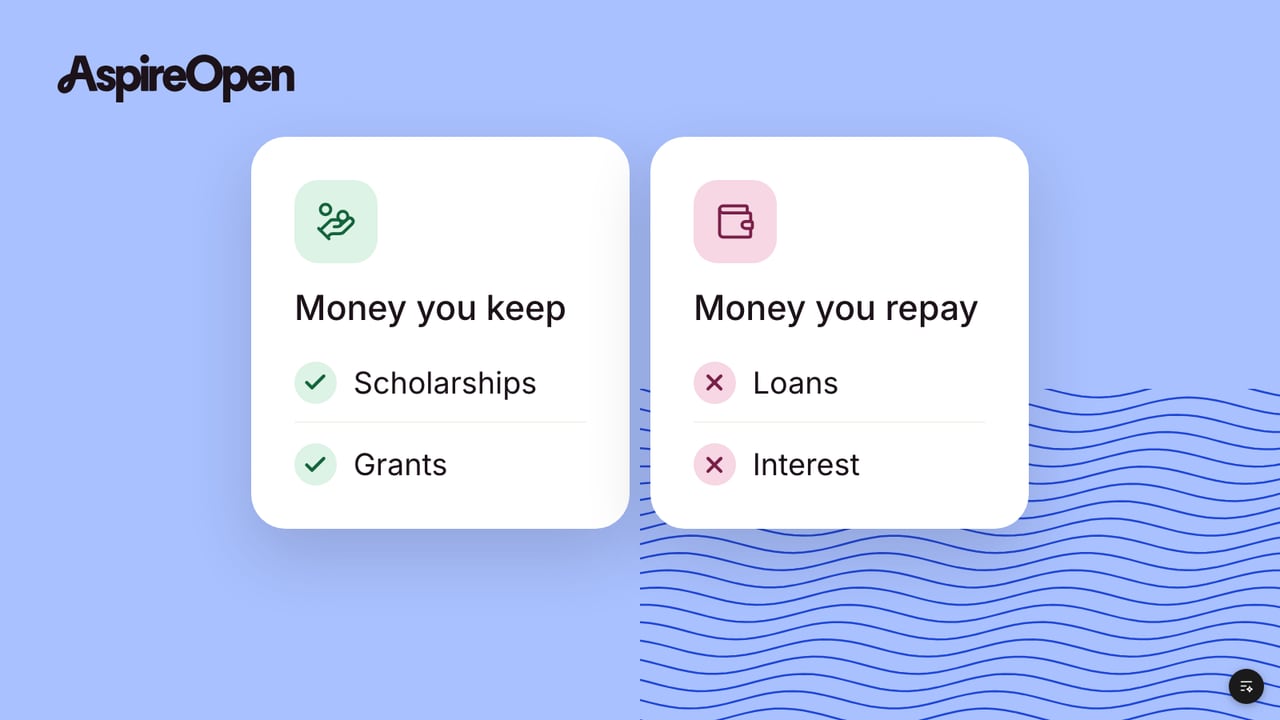
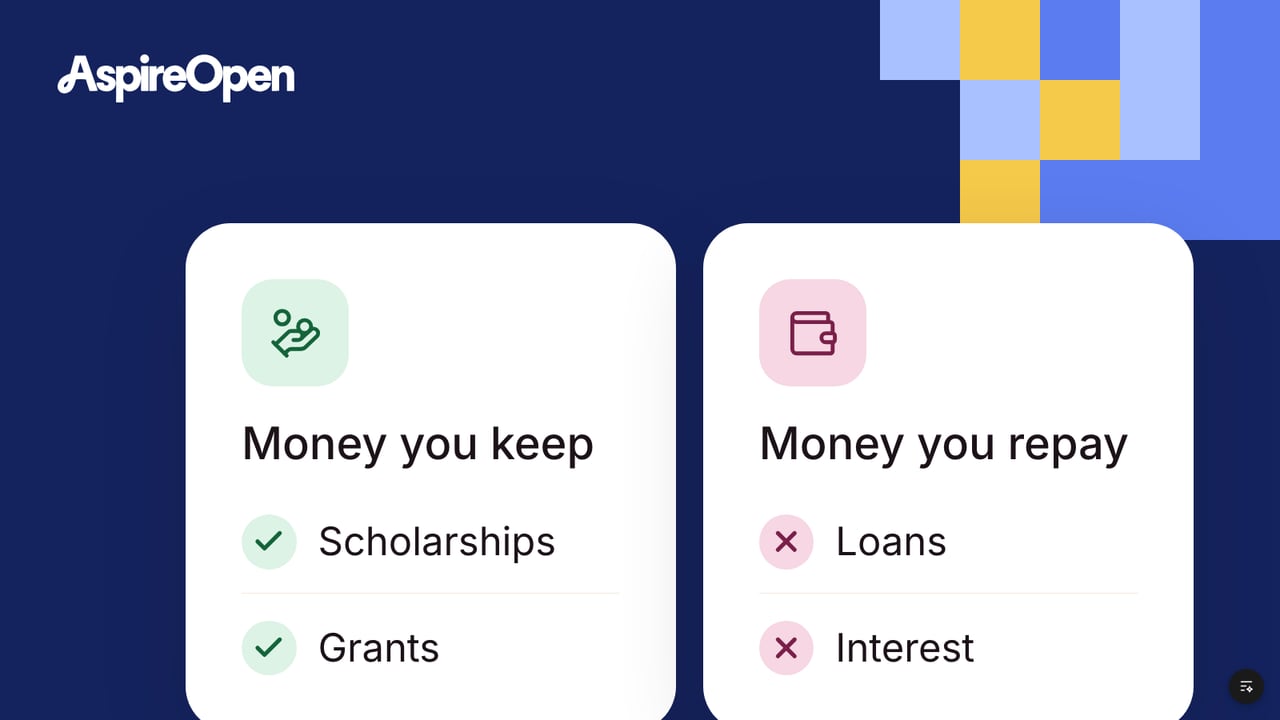
Create a row for in-school enrollment, any transition period after leaving school, any approved payment pause and repayment. For each row, ask whether interest accrues, who pays it, and whether unpaid interest can be added to principal.
Record the exact source supporting each answer. Do not assume that a payment not being due means interest is not accumulating. Conversely, do not assume every pause has the same interest treatment.
Compare the offered amount with the amount you need
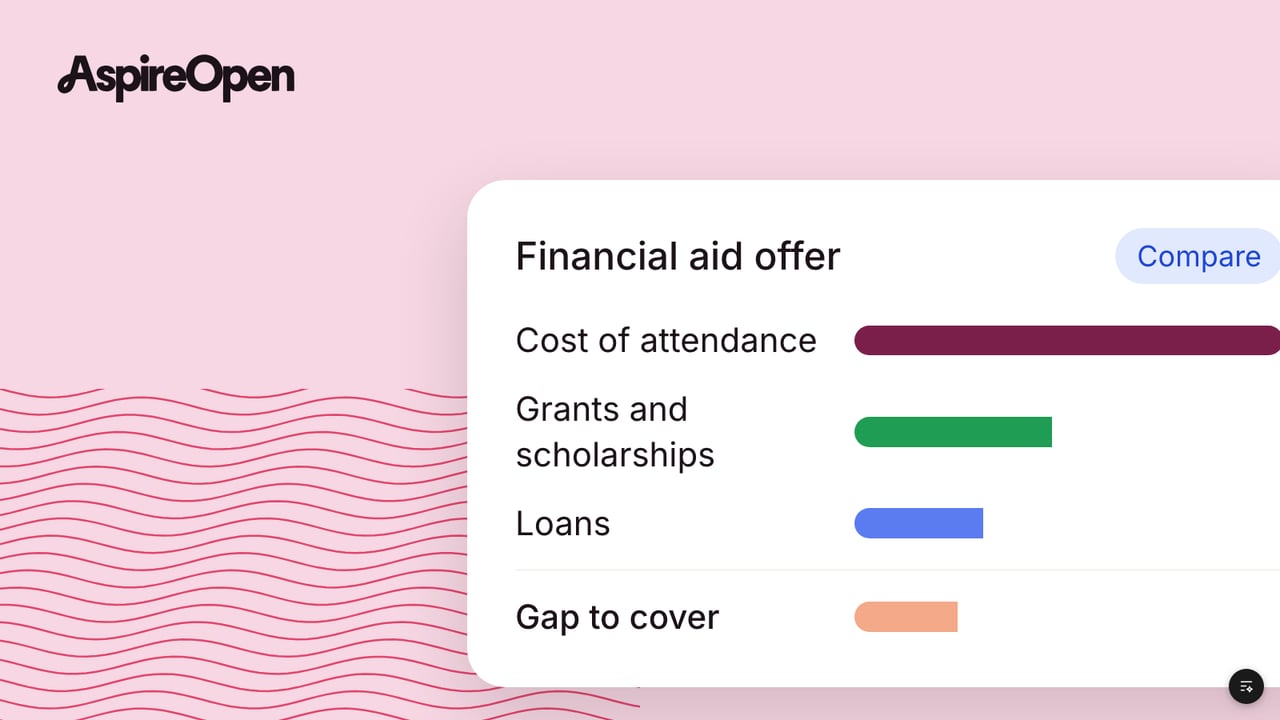
Write down the education costs you still need to cover after confirmed nonloan funding and available resources. Then record each offered loan amount separately.
An offered amount is not a requirement to borrow it. Ask your school how to accept less if that is your intention and what steps apply. Do not assume that declining one part of an offer automatically changes another part in a particular way.
Illustrative arithmetic: why the interest period matters
Suppose a fictional loan has $4,000 of principal and a 5% annual simple-interest rate. Ignoring day-count differences, fees, payments and balance changes, one year of interest would be $4,000 × 0.05 = $200.
If a hypothetical benefit paid that entire amount, the borrower would not bear that $200 for the example period. Without that hypothetical benefit, someone would need to account for it under the contract’s rules. This is arithmetic illustrating the question—not an actual federal rate, a promised subsidy or a loan estimate.
Ask about eligibility and limits separately
Interest treatment does not answer who qualifies or how much a student may borrow. Confirm the eligibility conditions and loan limits applicable to your education stage and circumstances using current official instructions.
Do not infer an entitlement to a particular loan type from a friend’s offer. Ask the aid office to explain the types and amounts in your own package and how the school determined them.
Compare beyond the headline rate
For each offer, identify fees, the amount actually disbursed, when payments are due, repayment options and the conditions attached to any interest benefit. Keep federal-program rules separate from private contractual offers.
Before accepting, ask where the binding terms are recorded and save them. A side-by-side worksheet is only as reliable as the current documents supporting it.
Next step
Bring your actual loan offer to the aid office and ask: “For each loan type here, when does interest accrue, who is responsible for it, and what happens to unpaid interest?” Resolve those questions before turning an advertised label into a budget assumption.
Program details reflect the source review supplied in Linear. Confirm the provider’s current requirements before applying.