Use the actual disclosure and current Federal Student Aid loan information. This guide does not state a current federal fee percentage or claim every loan charges a fee.
Identify how the fee works
Ask whether a fee is withheld from proceeds, added to the balance or paid another way under the actual terms. Do not assume the mechanism from the word “fee” alone.
Record the applicable loan category and date. If a schedule changes, identify which period governs your disbursement instead of substituting the most recent headline figure.
Work through net proceeds
In a fictional withheld-fee example, a $5,000 loan with a 2% fee has a $100 fee and $4,900 in proceeds. The 2% figure is hypothetical, not a current federal or private fee.
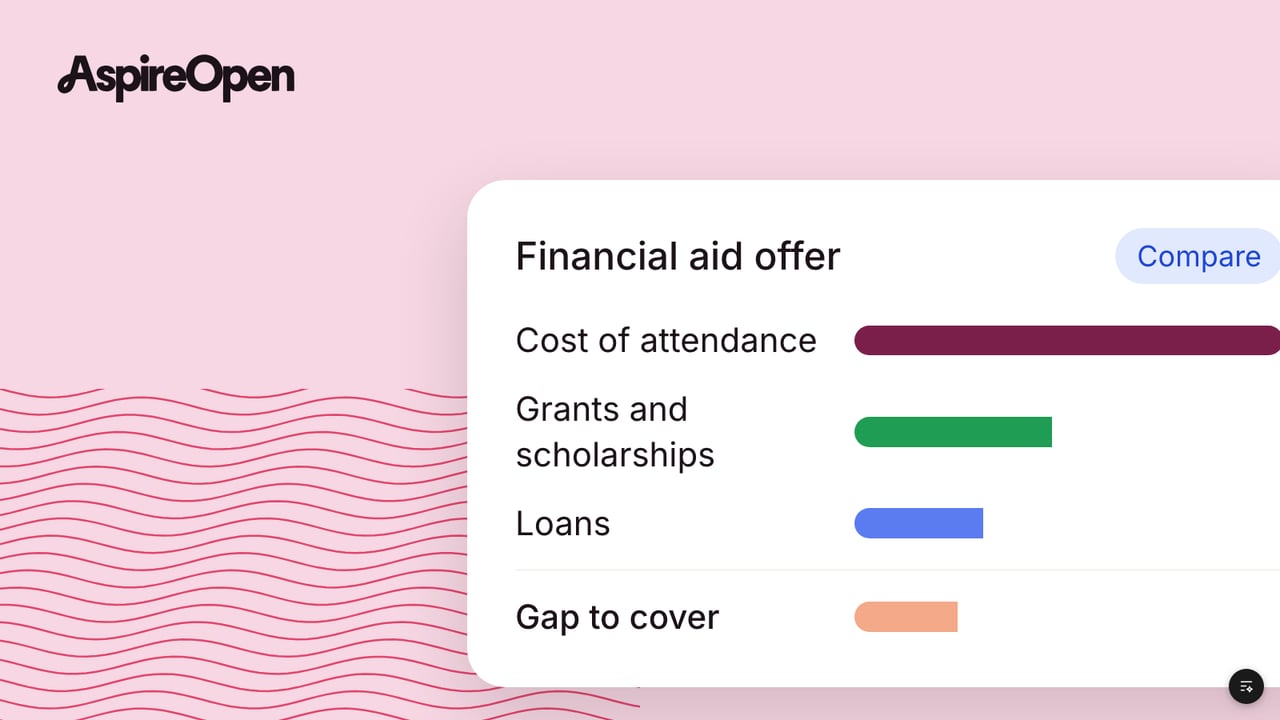
If the education bill requires the full $5,000, the borrower still has a gap in this example. The loan’s face amount and the spendable proceeds answer different questions.
Do not confuse fees with interest
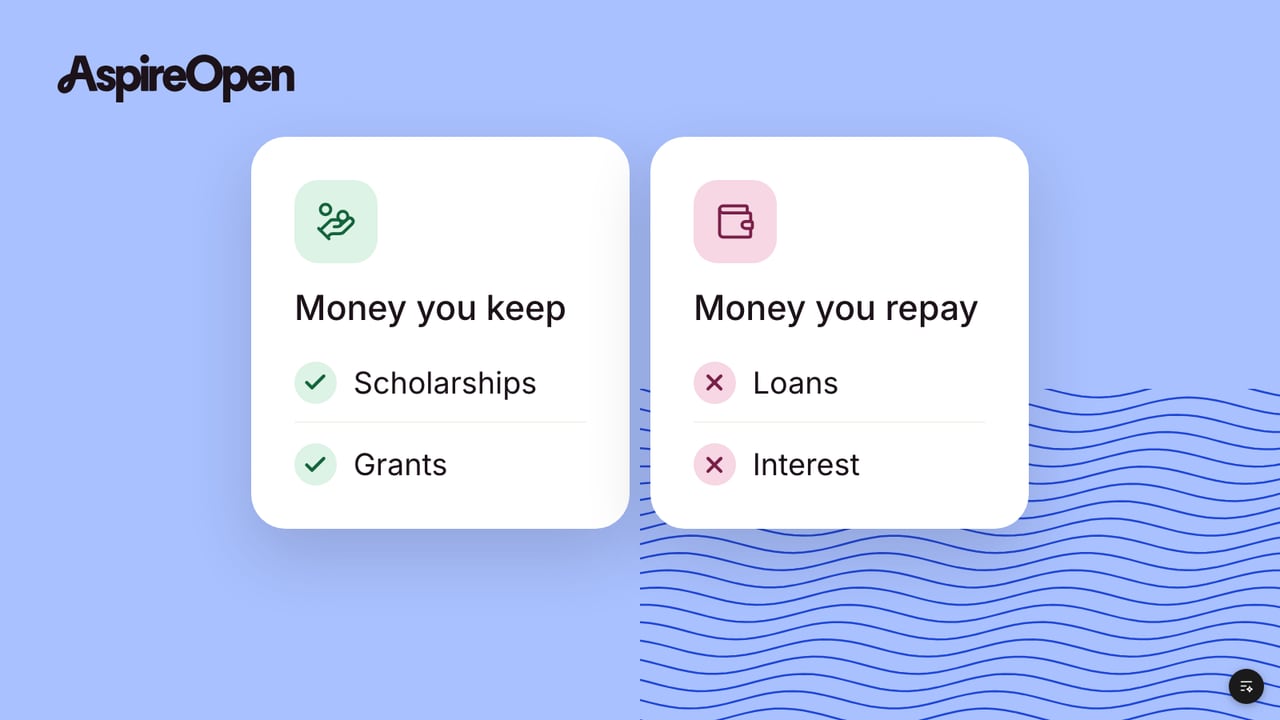
Interest depends on the applicable rate, balance and time. An origination fee relates to the transaction’s stated terms. Compare both rather than treating one as a substitute for the other.
Ask the lender how a fee is reflected in the disclosure and any annual percentage rate figure. Do not infer the full cost from a single percentage without reading the definitions.
Reconcile the school credit
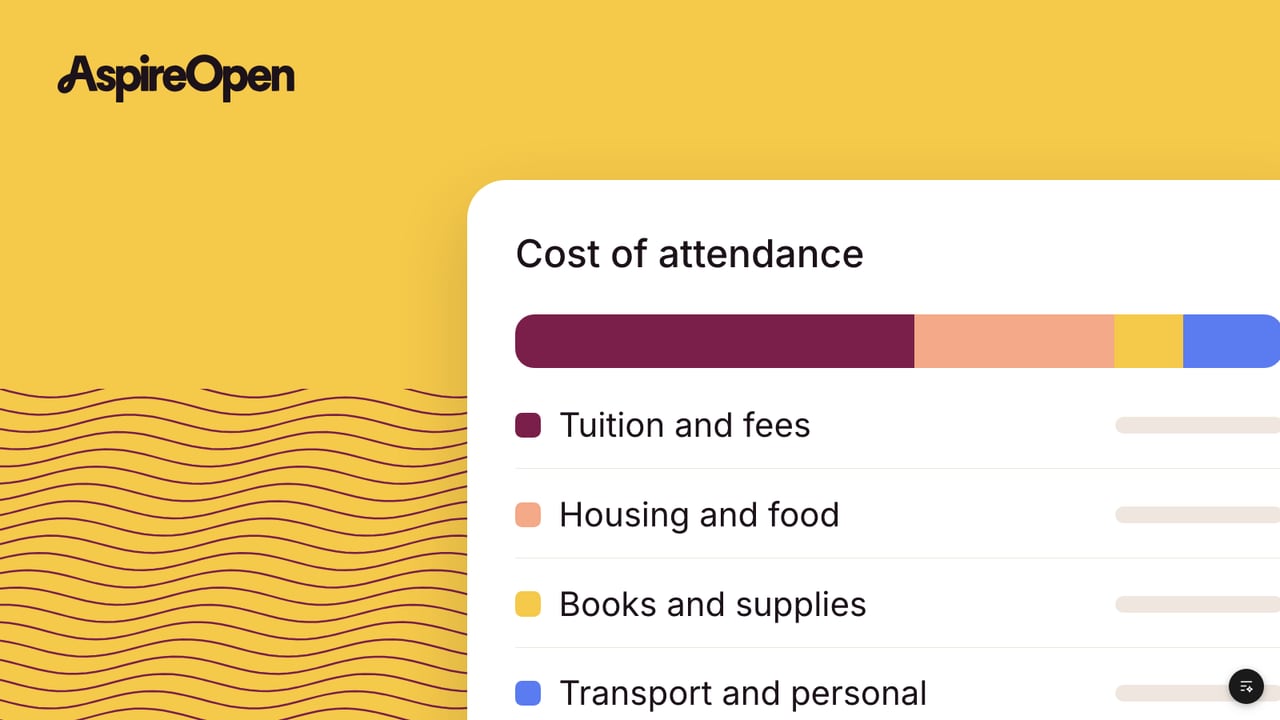
Compare approved borrowing, fee information and the actual school ledger. If the credit differs from what you expected, ask for an itemized explanation.
Timing can also create confusion. Keep individual disbursements separate when checking the total instead of assuming the first credit represents the entire loan.
Compare offers consistently
Use the same funding need and repayment assumptions. A loan with a lower headline rate but a fee is not automatically cheaper or more expensive; the full schedule and terms matter.
Do not increase borrowing based on a rough fee estimate. Ask the school or lender how to request the appropriate amount and confirm the consequences.
Next step
Create four columns: amount borrowed, fee, net proceeds and remaining school cost. Populate them from the actual disclosure and ledger. Resolve differences before assuming the loan fully covers the bill.
Program details reflect the source review supplied in Linear. Confirm the provider’s current requirements before applying.