Use current Federal Student Aid loan information for federal program details and actual lender disclosures for private offers. This guide does not provide a current product list or determine eligibility.
Measure the funding gap
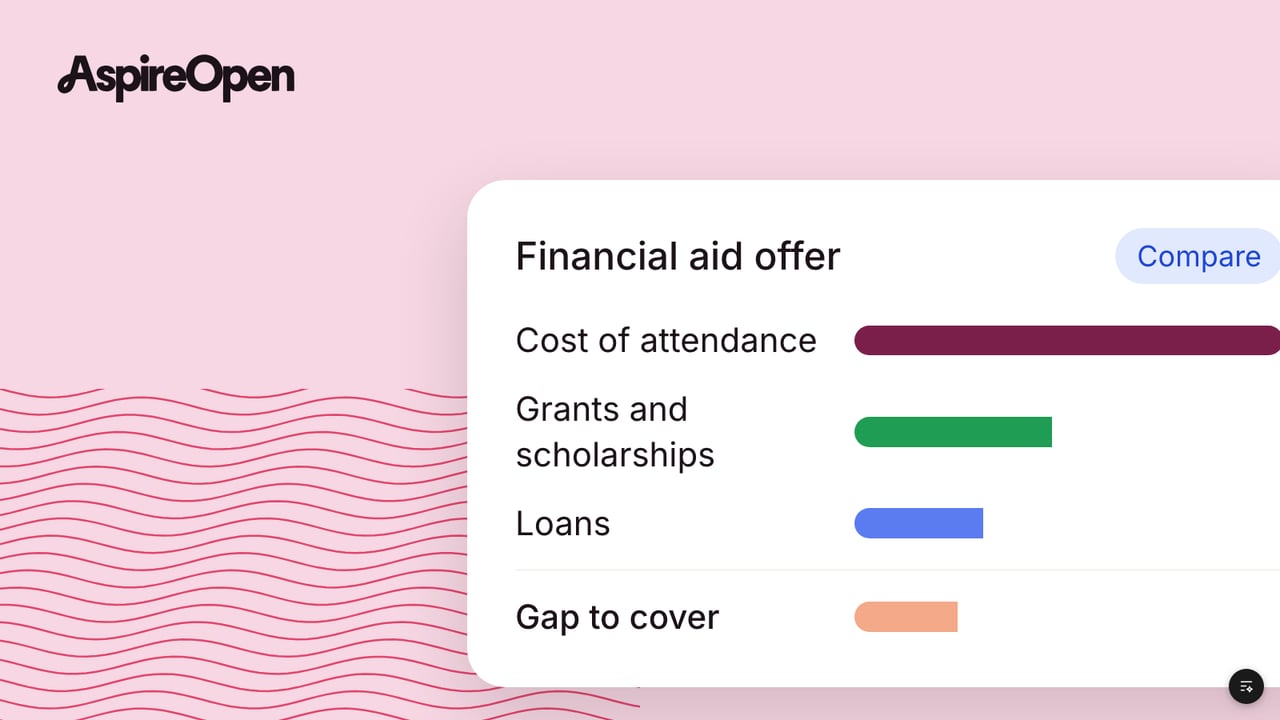
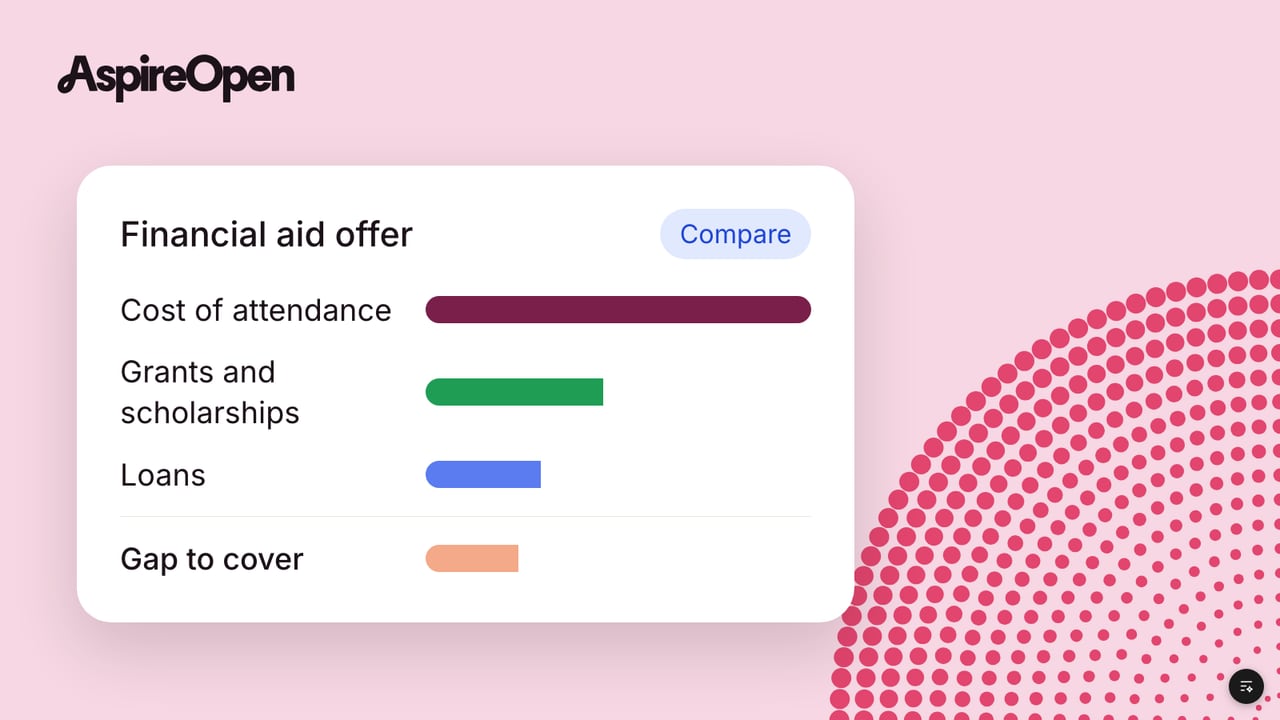
Start with the school’s relevant costs, subtract confirmed nonloan funding and resources you can realistically use, and identify the remaining amount. Separate one-time costs from recurring costs so a short-term gap does not quietly become an annual borrowing plan.
Do not treat an advertised borrowing maximum as the amount you need. If costs remain uncertain, record the uncertainty rather than borrowing against an optimistic estimate.
Name the borrower
Write the borrower’s name beside each option. If there is a cosigner, identify that role separately and read the obligations. Do not describe a family arrangement about who intends to pay as though it changes the lender’s contract.
Ask each person to review the actual terms before the application advances.
Compare net funds and total obligations
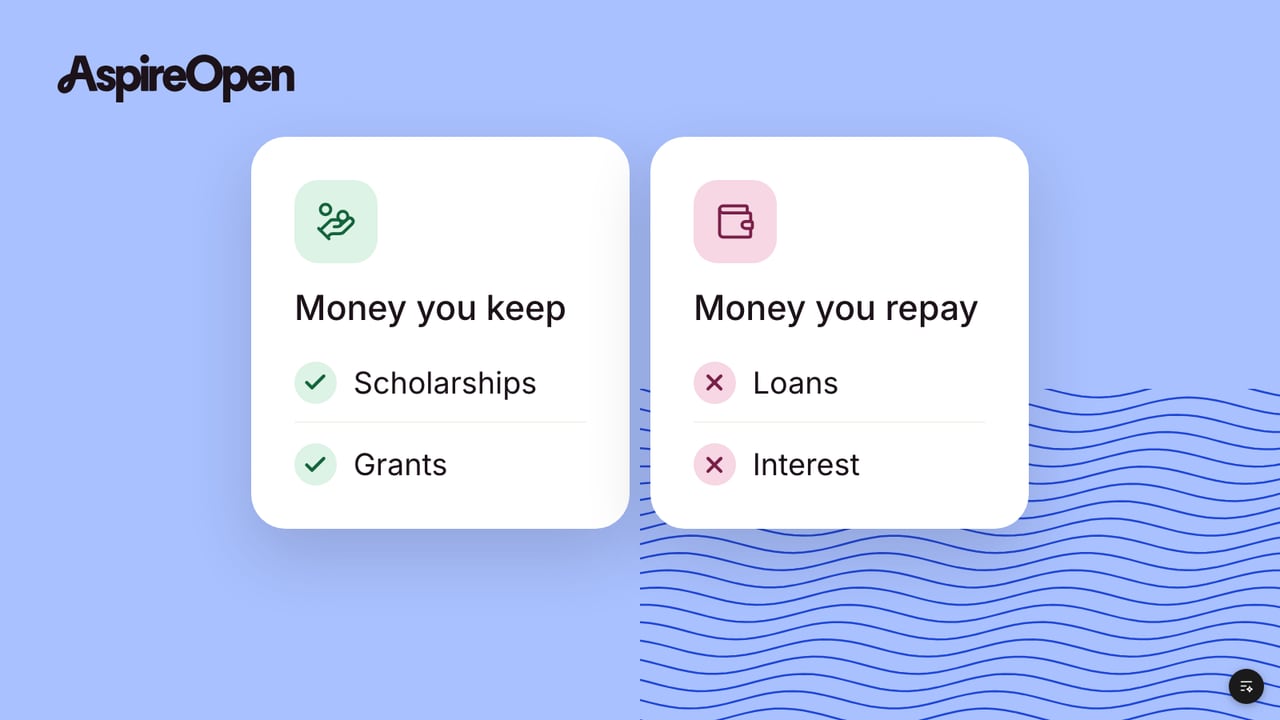
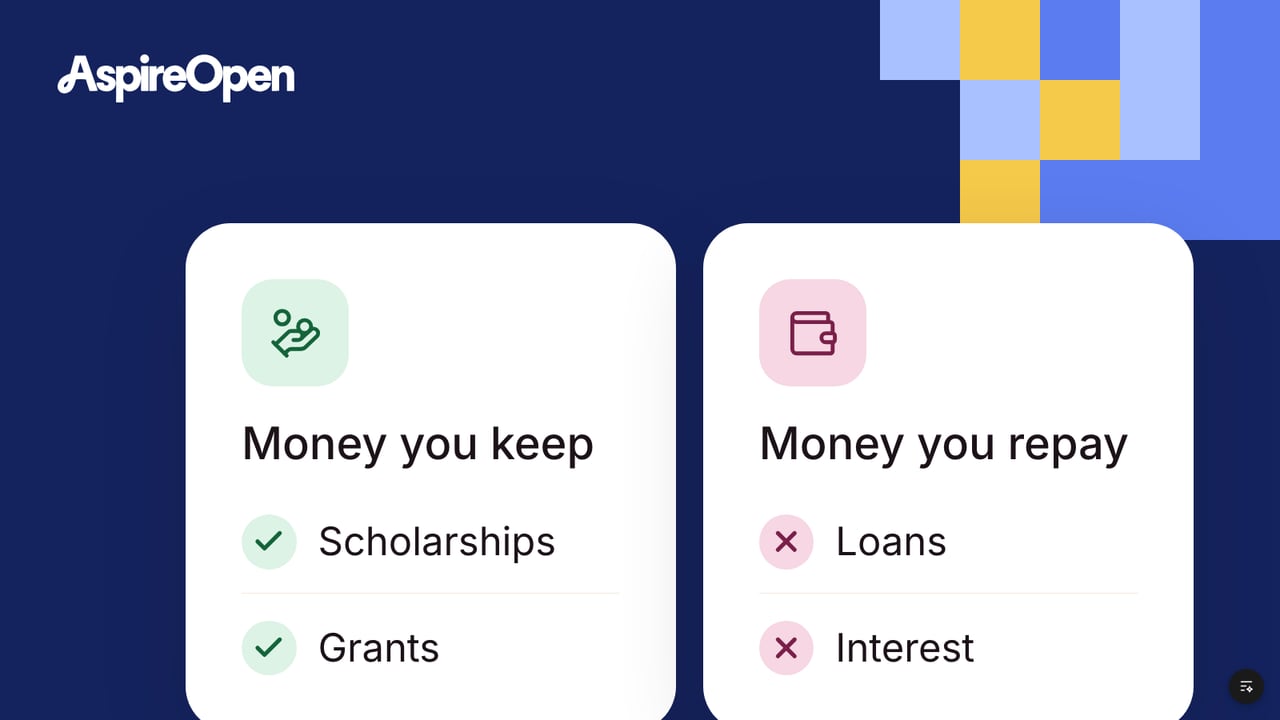
For each offer, record principal, fees, money disbursed, interest structure, payment start, repayment length and any relevant assistance or protections. Keep estimated figures separate from approved terms.
A hypothetical $5,000 loan with a $100 amount withheld provides $4,900 for expenses while the debt calculation may refer to $5,000. This is an illustrative structure, not a current fee quote or universal loan practice.
Check the difficult scenarios
Ask what happens if enrollment changes, income falls, a payment is missed or the borrower wants to repay early. Verify the applicable rules rather than assuming every education loan has federal-style options.
If considering private borrowing after federal borrowing, compare the contracts and protections—not just the advertised rate. A rate range is not your approved rate.
Keep alternatives visible
Before signing, ask whether a revised school budget, additional verified aid or a different payment schedule could reduce the gap. These options are research questions, not guaranteed sources of funding.
Your next step is a one-page table of actual offers with borrower identity, net funds and obligations. Resolve blank fields before choosing. A clear comparison is more useful than a universal ranking detached from your situation.