Use current Consumer Financial Protection Bureau student-loan guidance and the proposed contract. This guide does not determine anyone’s liability, approval likelihood or release rights.
Establish whether borrowing is affordable
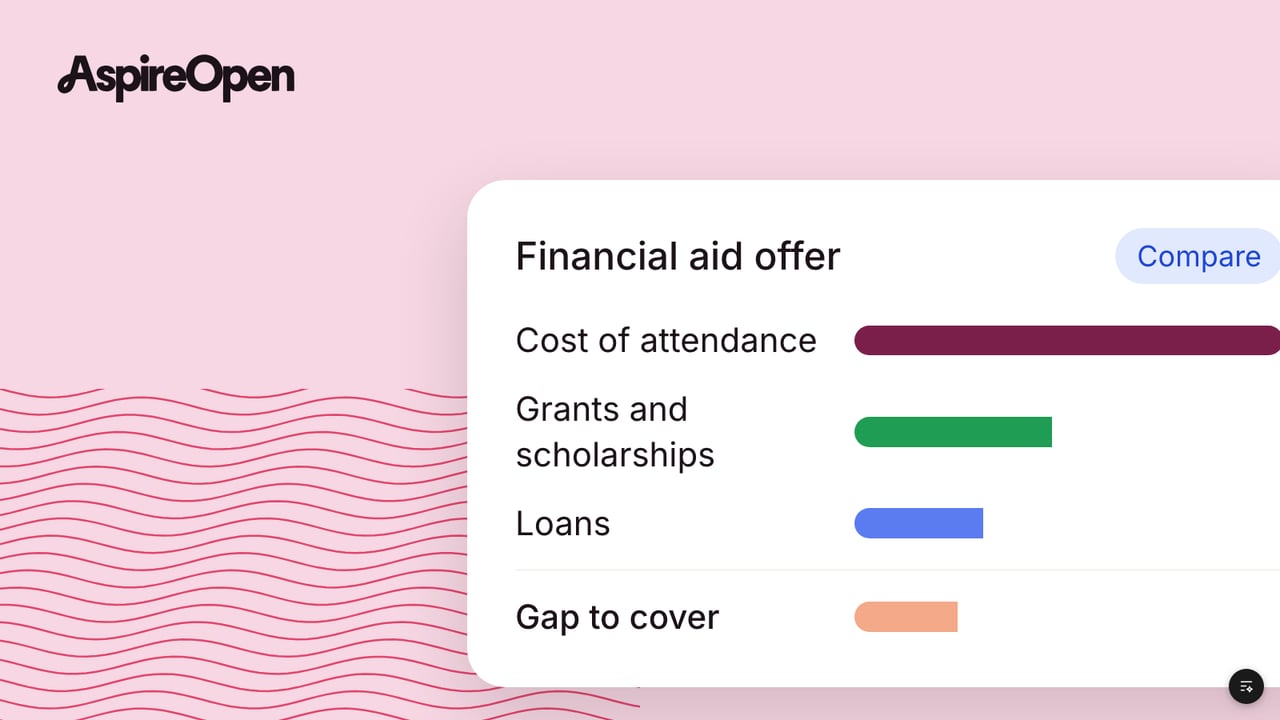
Calculate the remaining education gap and compare alternatives before treating a cosigner as the solution. A second applicant does not make an unaffordable education plan affordable by itself.
Prepare a baseline budget and a downside scenario. Do not ask someone to rely on a future salary, scholarship or refinancing approval you cannot substantiate.
Bring a complete decision packet
Include the amount, proposed lender, rate structure, fees, repayment timing, estimated payments and documents describing the cosigner’s obligations. Separate an advertised range from an actual approved offer.
Explain what is uncertain. If the lender has not provided final terms, say so rather than presenting a best-case quote as settled.
Use a direct, nonpressuring request
“I am considering this loan for a remaining education cost. Here are the proposed terms and my repayment plan. Would you be willing to review the obligations? You do not need to decide now, and I understand if you decline.”
This original script is a starting point, not a legal disclosure. The contract and independent advice should govern the decision.
Discuss difficult scenarios
Agree how you will communicate about statements, missed payments or changes in work and enrollment. Ask the lender what information each signer can access and how notices are delivered.
A family promise about who intends to pay does not replace the contract. Do not describe the arrangement as risk-free because the student expects to handle every bill.
Verify any release claim
If release is advertised, ask for the exact conditions, review process and whether meeting a stated payment history alone is sufficient. Do not promise that the cosigner will be removed after a certain date without the lender’s binding terms.
Refinancing later is also uncertain; it should not be presented as a guaranteed exit.
Next step
Review the decision packet together, then allow private time for independent advice. If the person declines, return to the funding plan rather than seeking ways to minimize their understanding of the obligation.
Program details reflect the source review supplied in Linear. Confirm the provider’s current requirements before applying.