Use current Federal Student Aid loan information and your institution’s official offer. This guide does not provide verified current annual or total borrowing limits.
Separate the kinds of limits
Ask whether a published number refers to a single period, cumulative borrowing, a particular loan component or a school-specific amount. Do not add figures from different categories without checking how they interact.
Record the governing year and any transition language. A limit described for a previous borrower cohort may not answer the question for a new application.
Identify your actual category
Use the official classification relevant to the loan, not an informal description of your family or academic situation. Ask the aid office which category applies when the terminology is unclear.
Keep student borrowing, parent borrowing and private lender approval separate. A constraint or offer in one category does not establish eligibility in another.
Account for prior borrowing
Gather the loan history the current rules require. Ask which existing balances or prior amounts count toward the applicable total and how a repayment or account change affects that calculation.
Do not subtract numbers from a historical limit on your own and assume the remainder is guaranteed eligibility. Let the official process determine the applicable amount.
Distinguish a cap from an offer
The amount a school or lender actually offers can involve additional conditions. Ask how the offer was calculated and what information would be needed to review an apparent error.
A fictional student needs $3,000 but sees a larger advertised maximum. The larger figure does not create a reason to borrow the difference. Their budget remains the starting point.
Plan more than one year
If you expect to borrow across several periods, keep a cumulative planning record. Include uncertain future costs and funding rather than assuming today’s amount and rules repeat unchanged.
Do not rely on future private approval to fill a gap in a multi-year plan. Approval and terms should remain uncommitted until established.
Next step
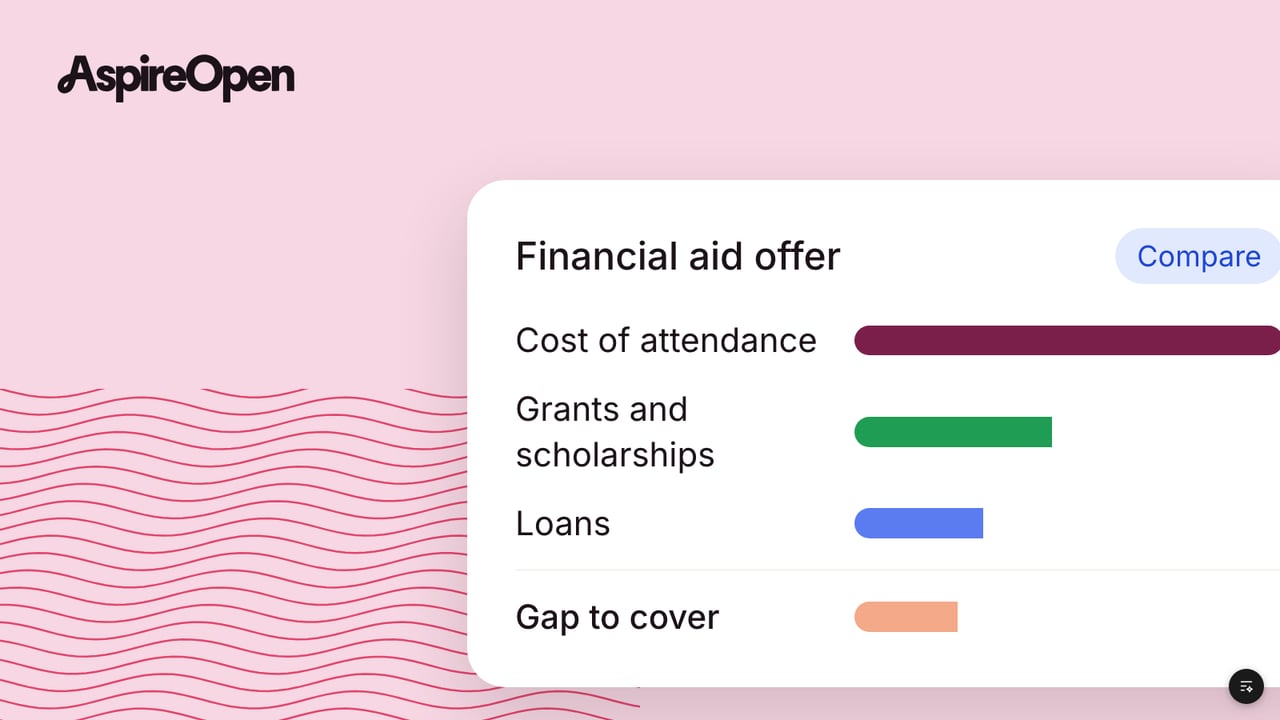
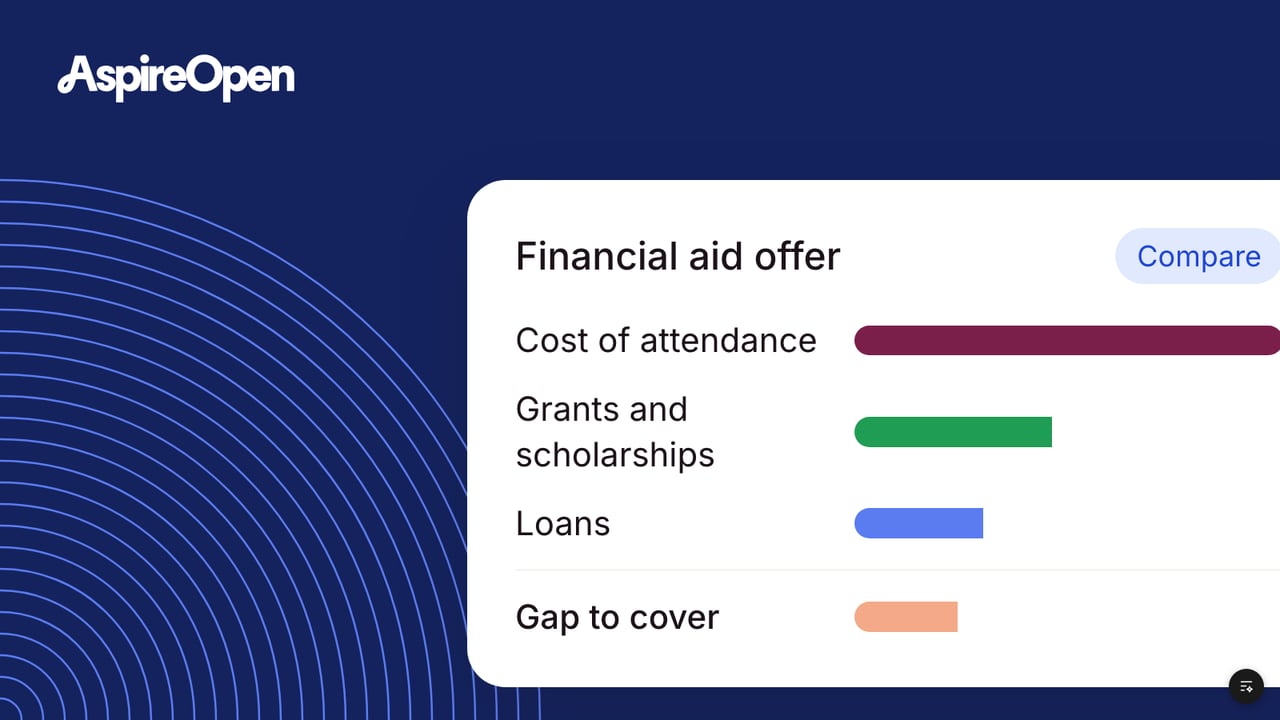
Ask the aid office for the current category, applicable period, relevant annual/total constraints and explanation of your offered amount. Then compare the result with the actual funding gap. A verified limit tells you a boundary—not what is affordable.