This guide explains a general framework. Current federal rules belong in Federal Student Aid loan guidance; private borrowing follows the actual contract.
An offer is not the same as a disbursement
An offer describes potential borrowing. Read the borrower identity, amount and conditions before deciding whether to accept. Then follow the required completion process through verified channels.
Keep the offer, signed agreement and actual disbursement confirmation separately. A change made at one stage may need additional processing before another record updates.
Trace the money to the school account
Compare loan proceeds with school charges and other credits. Ask about any difference between the borrowed amount and the amount reaching the account, including fees or timing.
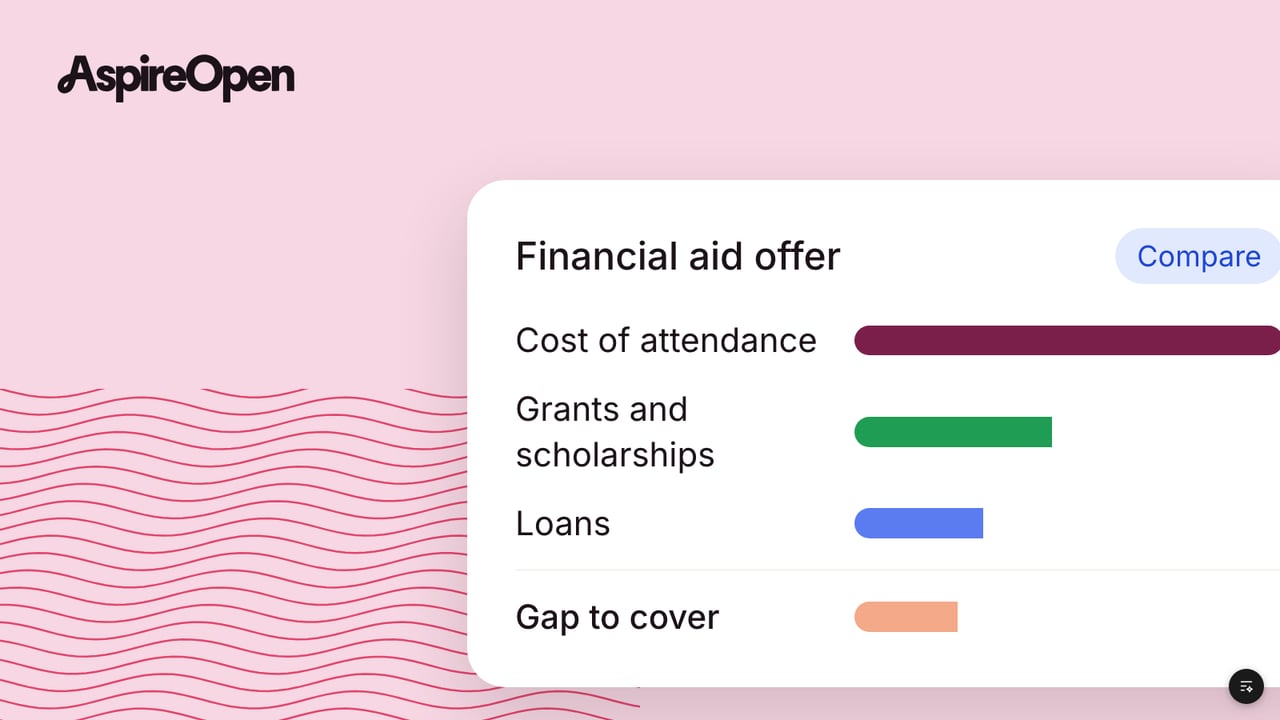
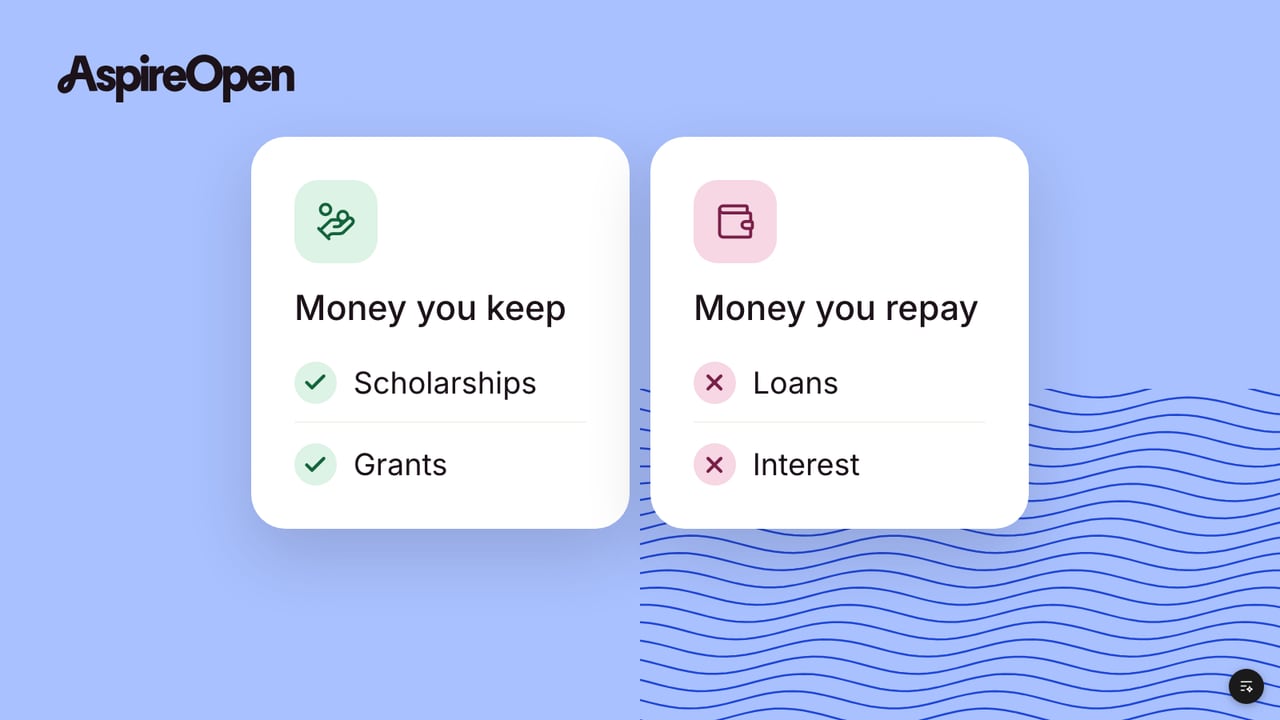
In a fictional example, a student sees $4,000 of loan credit against $4,500 of charges. The remaining $500 is still a budget question. The loan credit covers part of the bill but creates a separate debt obligation.
Understand interest before repayment
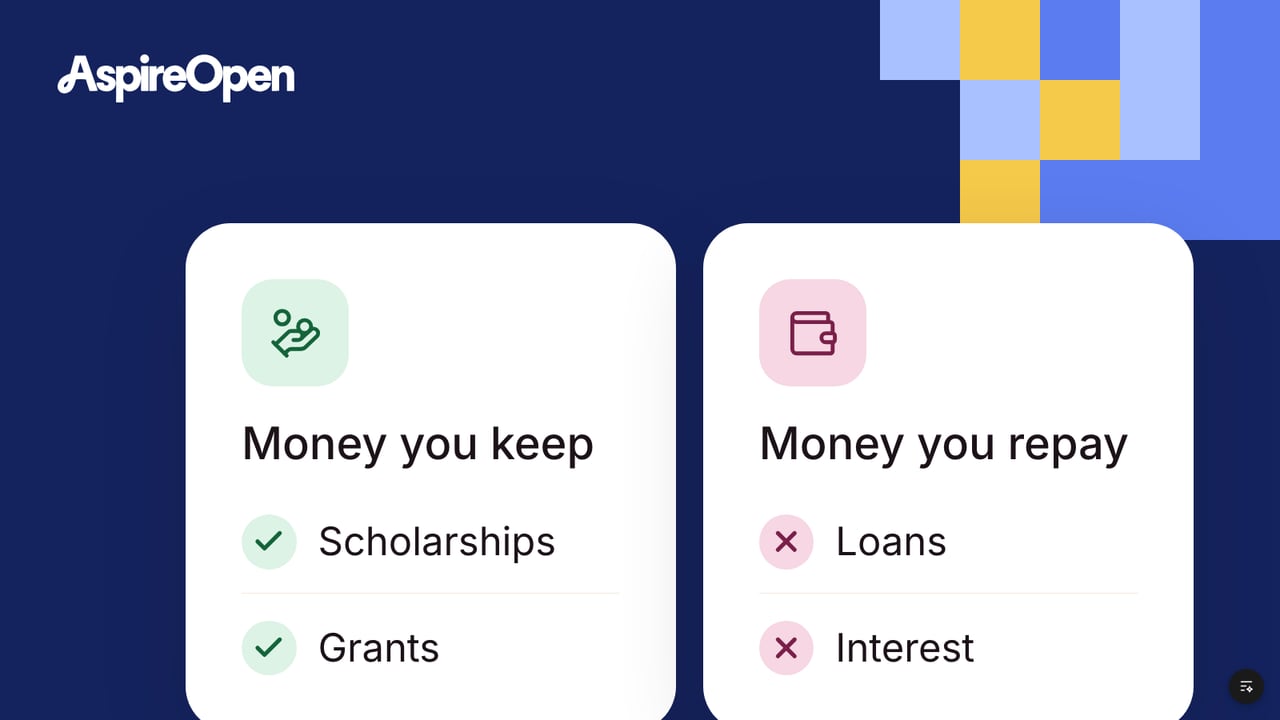
Ask when interest begins, how it is calculated and whether a benefit changes who bears it during a particular period. Do not infer interest treatment solely from whether a payment is currently due.
For a hypothetical unchanged $1,000 balance at 5% annual simple interest, one year corresponds to $50. Actual interest requires the loan’s method, dates and rules.
Know who handles the account
Identify the verified administrator and keep current contact information. If the account is transferred, confirm the new route independently before changing payment details.
Save statements and confirmations so you can reconcile transactions. A lender name on an old document may not answer every current servicing question.
Plan the transition to repayment
Before changing enrollment or leaving school, ask when your loan’s payment status changes and which current options apply. Do not rely on a generic timeline without checking your history and contract.
A payment plan affects how the obligation is managed; it does not remove the need to understand the original amount and costs.
Your next step
Draw a simple chain: offer → agreement → school credit → loan balance → repayment. Put your actual documents under each stage and resolve missing pieces. That turns a confusing collection of forms into a record you can check.