This is a general concept guide with hypothetical arithmetic, not a current lender comparison or a recommendation for your situation. Read the actual terms to establish what is fixed, what can change and when.
Identify the complete rate structure
For a variable-rate offer, look for the reference index, margin, reset frequency and any caps or floors. Ask how the rate would be determined if the index changes. For a fixed-rate offer, check the term and whether any advertised discount has conditions.
Do not assume two offers with the same initial rate have the same future exposure. Their reset rules and other terms may differ.
Separate the rate from the payment
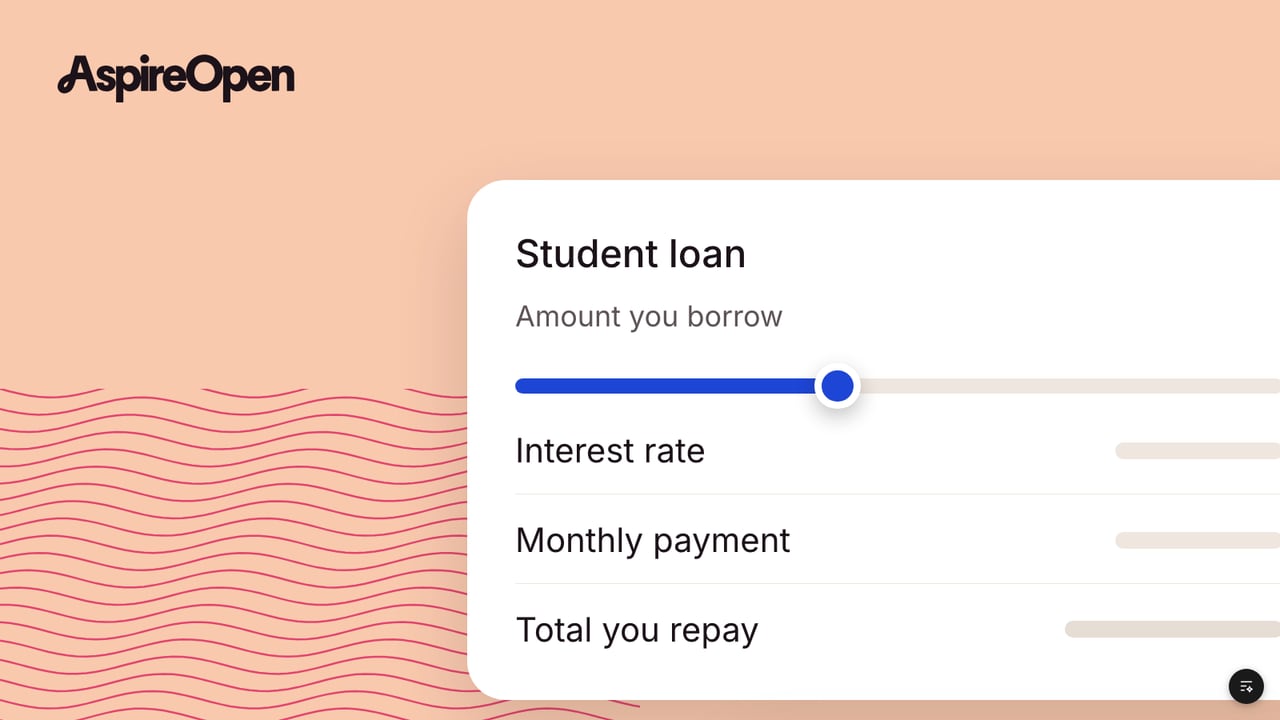
The interest rate and monthly payment are related but are not interchangeable. Payment timing, repayment length, accrued interest and contract rules also matter.
Ask how the required payment changes when the rate changes and how you will be notified. A promise about a rate does not by itself establish every feature of a repayment schedule.
Hypothetical comparison: isolate the rate effect
Imagine $10,000 remains outstanding for one full year, with no payments, fees, compounding or balance changes. At a hypothetical 6% annual simple rate, interest is $600. At 8%, it is $800—a $200 difference under those assumptions.
This is not an amortization schedule or a current loan quote. Real costs depend on the balance over time, payment dates, calculation method and actual terms. The example simply shows why a changing rate deserves more than a starting-rate comparison.
Run a personal stress test
For each actual offer, ask the lender for illustrations under the initial rate and a higher-rate scenario. Keep the assumptions the same: amount borrowed, repayment period and payment start date.
Then ask whether the higher payment would fit your budget without sacrificing essentials. Do not label a variable rate affordable only because the first illustrated payment fits. Conversely, do not treat a hypothetical increase as a forecast that it will occur.
Compare the full offer
Review fees, rate-discount conditions, term, cosigner obligations and the protections or options relevant to your situation. Current federal program terms and private loan contracts require separate verification; this article does not establish them.
If a quote advertises a range, identify the rate you actually qualify for before comparing. Do not use the best advertised rate as though it has been offered to you.
Make the uncertainty explicit
A fixed-versus-variable decision includes a preference about predictability and exposure to future changes. No general article can reliably forecast the rates over your entire repayment period.
Your next step is to gather two actual disclosures and compare them under consistent assumptions. Resolve the reset rules and payment response before deciding that an initial rate difference is worth the uncertainty.
Program details reflect the source review supplied in Linear. Confirm the provider’s current requirements before applying.