Current program rules belong in the official Federal Student Aid loan guide. This guide provides a preparation framework rather than a verified current catalog of loan types and eligibility.
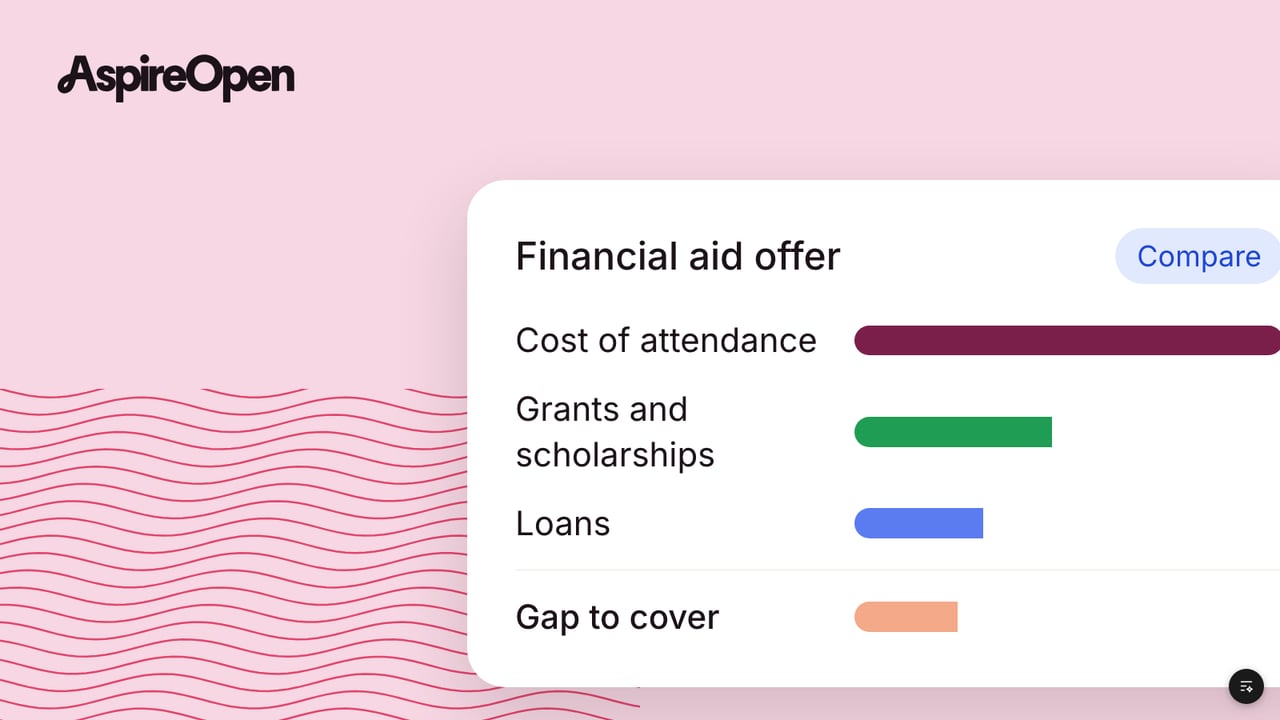
Identify the gap you need to cover
Start with the costs relevant to your enrollment and subtract confirmed nonloan funding and resources you can use. Keep the school’s estimate separate from your personal spending plan.
If you are comparing colleges, calculate the remaining gap at each institution. The same offered debt can support very different total costs.
Read every offer separately
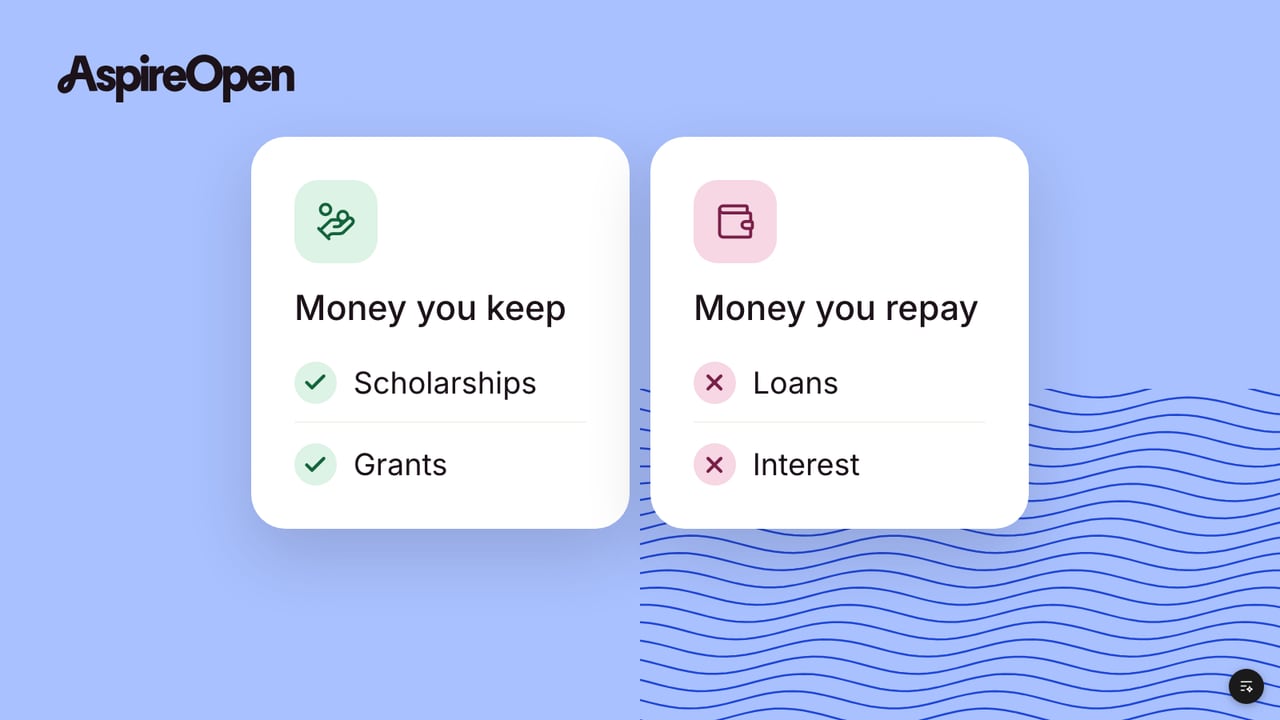
Record the loan’s full name, borrower, offered amount and conditions. Do not combine student and parent obligations into one anonymous family loan figure.
Ask the school how to accept a smaller amount, decline borrowing or correct an error. Do not assume changes take effect merely because you tell a family member you intend to borrow less.
Follow the actual completion instructions
Ask which documents, acknowledgments or other steps are required before funds can be released. Complete them through independently verified official routes.
Keep copies of what you agree to. An aid offer, signed obligation and posted disbursement are different records; save all relevant confirmations rather than relying on a single screenshot.
Reconcile the disbursement
Compare the approved borrowing amount with the loan record and school account. If fees or other adjustments create a difference, ask for an itemized explanation.
A hypothetical $2,000 credit against $2,300 of charges leaves $300 uncovered. That arithmetic does not establish the timing or amount of any actual disbursement. Use the actual school ledger for your payment plan.
Prepare for the next transition
Before changing enrollment or leaving school, identify the verified administrator and ask when payments and interest apply. Check current repayment options rather than assuming the rules will match an older sibling’s experience.
Do not treat an available repayment option as a reason to ignore the amount borrowed. Keep a cumulative debt record alongside the annual college budget.
Next action
Prepare a one-page acceptance decision with the amount needed, borrower identity, costs and unresolved conditions. Ask the aid office to explain unclear items before signing. A smaller, understood obligation is preferable to accepting debt you have not evaluated.