Verified opportunities and application routes
| Program and official provider | Award information | Key fit | Application timing |
|---|---|---|---|
| American Indian College Fund Full Circle | Individual amounts vary; not specified in inspected FAQ | Qualifying enrollment/descendancy, nonprofit accredited institution, full-time study and 2.0 GPA | Published annual opening February 1; priority May 31; remains open until January 25 |
| College Fund Tribal College and University scholarships | Confirm with the TCU | Tribal college students; financial-aid office administers semester awards | Requirements and deadlines vary by TCU |
| Native Forward scholarships and fellowships | Provider says awards vary by opportunity and financial need; no guaranteed amount | Full-time qualifying U.S. degree study; opportunity-specific tribal rules and financial-need documentation | Opens annually in January; individual deadlines vary |
| AISES Indigenous Peoples Education Fund Scholarship | $5,000 | First-time full-time freshmen, 3.0 GPA, STEM field; provider describes support for enrolled members of state/federally recognized U.S. tribes | Listed April 30 deadline; 2026 date is past |
Rules checked October 13, 2026. Published schedules are not a guarantee that any particular portal is accepting your application today.
College Fund: distinguish enrollment from documented descendancy
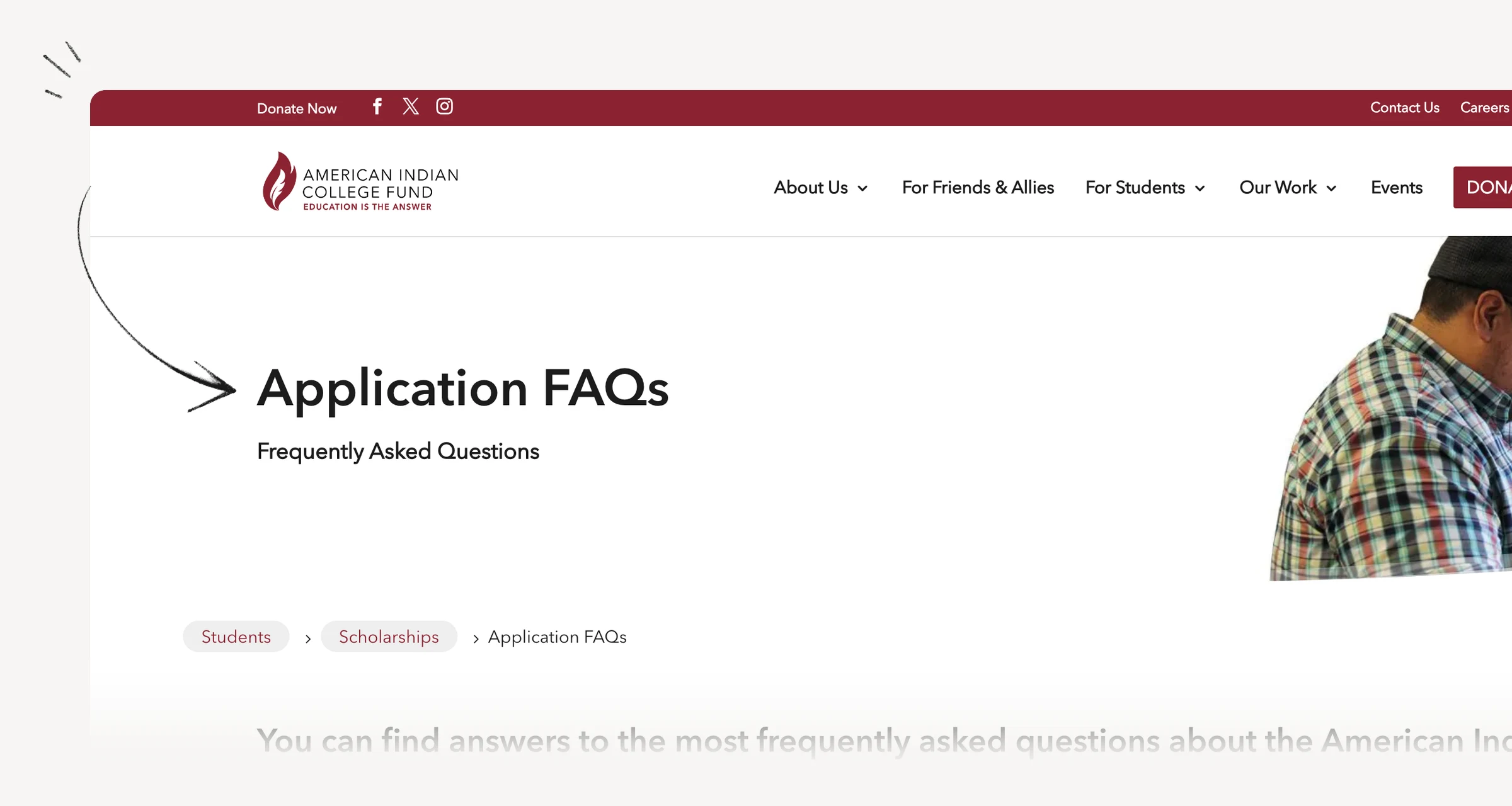
American Indian College Fund — application FAQs
The College Fund accepts tribal enrollment documentation or documented descent from an enrolled parent or immediate grandparent. Its FAQ says eligibility is not based on DNA tests or blood quantum. A descendant application requires the family member’s enrollment documentation and birth certificates connecting the applicant to that person. The provider also addresses qualifying Canadian/Jay Treaty applicants separately. College Fund documentation rules.
Full Circle is available to qualifying TCU and mainstream-college students, including specified graduate opportunities. High-school seniors planning eligible enrollment can apply. A new application is needed each academic year; renewal and amount are not guaranteed. College Fund program distinctions.
Native Forward: two offices help complete the file
Native Forward — scholarship FAQ
Native Forward requires a Tribal Eligibility Certificate completed through the tribal enrollment office and a Financial Needs Form completed by the college’s financial-aid office. Both have a published July 15 documentation deadline each academic year. Program-specific tribal criteria can differ, including requirements for enrolled members and qualifying descendants. Do not assume eligibility for every scholarship from eligibility for one. Native Forward FAQ.
The provider also requires annual FAFSA filing, federal-aid eligibility, transcripts, award-specific essays, and references. It does not fund a second credential at the same degree level once the first is conferred. Check those constraints early if you already hold a degree or plan less than full-time study. Native Forward complete-application rules.
AISES: read the specific award, not just the membership page
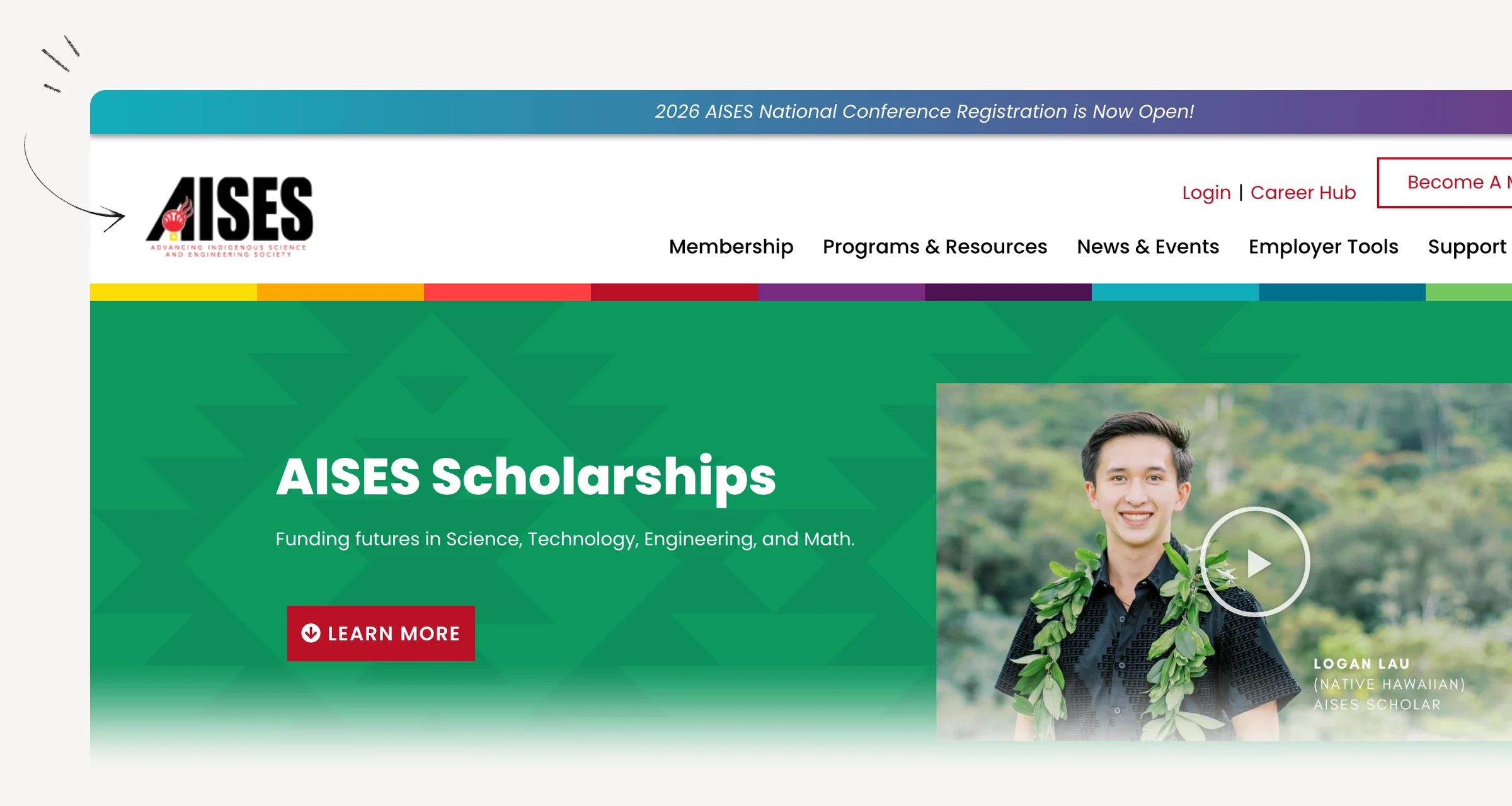
AISES — scholarship opportunities
AISES offers multiple STEM-related awards with differing fields and academic stages. Student membership is free, but membership alone does not prove scholarship eligibility. The scholarship page lists an annual December 15–April 30 application period and requires students—not parents—to be the primary contact and complete the profile/application. AISES scholarships; Membership information.
Build an evidence checklist respectfully
Use one row per provider: accepted tribal documentation; degree stage; institution; attendance level; transcript; financial form; references; and deadline. Contact your tribal education or enrollment office about official records, and ask your college which form it must complete. Avoid sending sensitive family records to a third-party directory.
Illustrative planning example: A descendant first compares accepted family documentation at College Fund and Native Forward, then checks the selected award’s rules. A first-year STEM student separately investigates AISES’s freshman award. These are screening examples, not a claim that either student qualifies or wins.
For essays, follow the actual prompt and choose truthful educational or community experiences you are comfortable sharing. Do not invent ceremonial participation, leadership titles, or family affiliations. Scholarship verification criteria should not be presented as a universal judgment of Native identity.
Questions to answer next
Must I attend a tribal college? Not for every route; Full Circle also supports qualifying mainstream-college students.
Does one application cover everything? College Fund considers eligible opportunities through its application, but Native Forward and AISES have separate systems and rules.
What should I do now? Choose a funding route, confirm accepted tribal documentation, and contact the relevant college or tribal office before the application deadline—not after a form is submitted.






