Verified programs and application planning
| Program and official source | Published funding | Audience | Timing checked October 13, 2026 |
|---|---|---|---|
| Cancer for College | Most awards $5,000; some specialty awards higher | Personally diagnosed applicants in qualifying U.S.-located study; income and attendance rules apply | 2026–27 closed; annual application November 1–January 31 for following school year |
| NCCS Beyond the Cure Ambassador Scholarship | Prior 2026–27 award: $3,500; next-cycle amount not yet stated on current overview | Childhood cancer survivors; review new form when released | Confirmed next window January 1–March 31, 2027 |
| Northwestern Mutual Survivor Scholarship | 2027–28 amount not stated on inspected sponsor page | Childhood cancer survivors; full next-cycle criteria need confirmation | Opens December 1, 2026; 2026–27 closed |
| Northwestern Mutual Sibling Scholarship | 2027–28 amount not stated on inspected sponsor page | Siblings affected by childhood cancer; not the survivor application | Opens December 1, 2026; next deadline not yet claimed |
Upcoming openings are planning dates, not an assertion that any application is open today. Past-cycle amounts do not become promises for a future year.
Cancer for College: personal diagnosis and study location matter
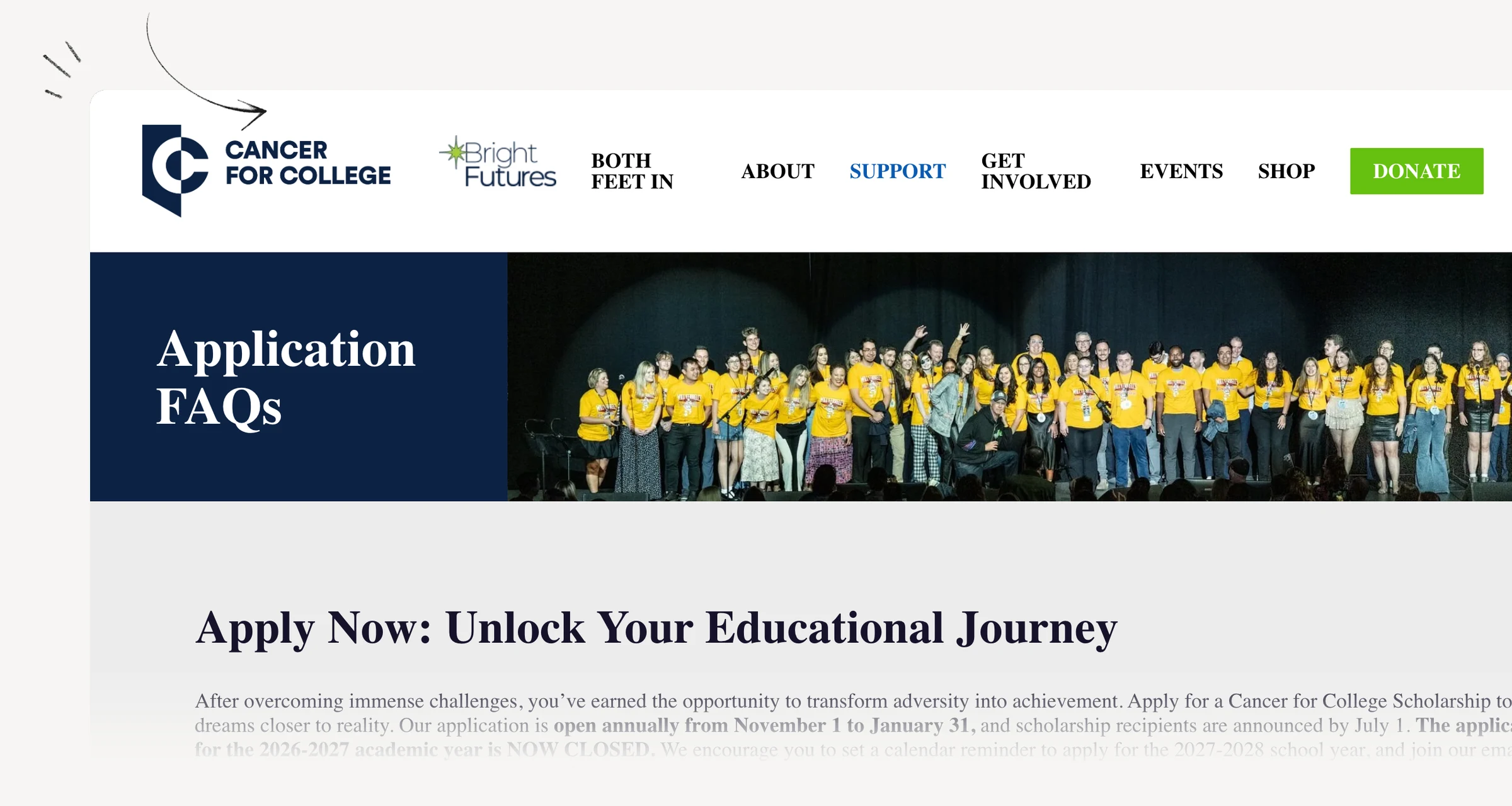
The provider sets no age restriction and accepts non-U.S. citizens when the institution/program is physically in the U.S. Undergraduate attendance must be full-time; graduate attendance can be at least part-time. Published adjusted gross income must not exceed $150,000, using the family’s or independent applicant’s income as applicable. Children of survivors are not eligible merely because of a parent’s diagnosis. Provider eligibility FAQ.
Its listed evidence includes income records, two years of transcripts, and a diagnosis-confirmation letter on medical letterhead. A nonfamily recommendation is optional. Applicants can reapply in later years; this is not automatic renewal. Required documents and repeat applications.
Beyond the Cure: do not silently reuse an old form
The official 2026–27 application required applicants under 25, diagnosis before 18, qualifying U.S. citizenship/residence/study, and a 2.5 GPA. It requested official transcripts and medical confirmation. Those are documented prior-cycle rules, useful for preparation—not verified 2027–28 criteria. The new application should control when available. Official 2026–27 application PDF; Current opening announcement.
Do not upload the old form simply because a directory says “apply now.” Watch the provider’s current scholarship page for the next cycle’s instructions.
Northwestern Mutual: choose survivor or sibling first
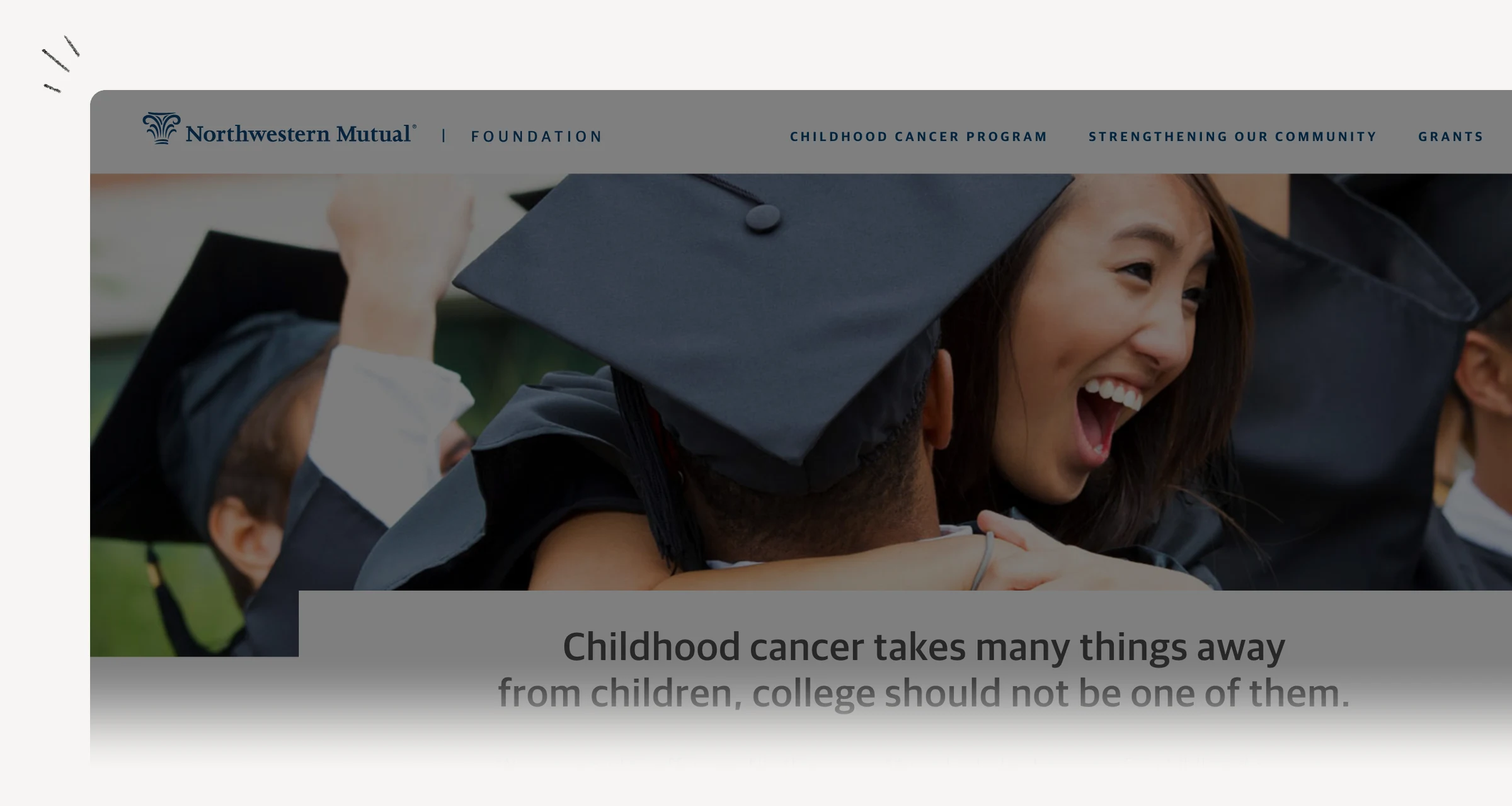
The sponsor expressly offers two different awards and announces December 1, 2026 as the 2027–28 opening. A family member’s cancer history does not make every relative eligible for the sibling program. Read the selected new application for diagnosis/age, education, financial, and document rules when it opens. The administrator’s sibling overview includes siblings of people in treatment, survivors, or those who died from childhood cancer; confirm current-cycle details before submitting. Sponsor program page; Administrator sibling overview.
Prepare a private, provider-specific evidence file
Keep medical records separate from your general scholarship résumé. Request only the provider’s listed confirmation rather than sending an entire treatment history. Before upload, verify the portal, recipient, file requirements, and consent process; do not publish medical documents in a profile or fundraising page.
Create an application sheet with diagnosis relationship, age rule, program/location, attendance level, need evidence, references, deadline, and reapplication requirements. Ask your school how an outside award coordinates with its aid, and the provider what happens if health needs change attendance. Do not assume every program permits a deferral.
Illustrative screening example: An adult survivor in graduate study investigates Cancer for College’s part-time rule. A sibling instead checks Northwestern Mutual’s separate application. A childhood survivor prepares for NCCS but waits for its new criteria. These are planning examples, not fabricated recipients or funding guarantees.
For essays, describe a true educational goal and the support that would help you pursue it. You do not need to invent a dramatic recovery story or disclose more than the prompt requires.
Next step: Pick the correct survivor/sibling route, calendar the provider’s announced opening, and obtain only the documents required by the current form.






