Funding routes to compare
| Program and official link | Award | Key eligibility | Timeline/status checked October 13, 2026 |
|---|---|---|---|
| Native Forward Direct Scholarship, Winter/Spring 2026–27 | Not stated on the official page | Eligible enrolled members or descendants; full- or part-time degree study; federal-aid eligibility; other conditions | Official page says open; due December 2, 2026, 11:59 p.m. Mountain Standard Time |
| American Indian College Fund, non-tribal-college scholarships | Varies; provider gives $2,000–$3,000 as an average, not a guaranteed award | Eligible membership/descendancy; minimum 2.0 cumulative GPA; full-time nonprofit institution | Recurring calendar: May 31 priority review, January 25 spring-student deadline; confirm your year’s portal |
| AISES Indigenous Peoples Education Fund Scholarship | $5,000 | First-time, full-time freshman; STEM; 3.0 GPA; enrolled member of a qualifying state- or federally recognized U.S. tribe | Program page lists April 30 but does not establish a new live cycle in this article |
A provider portal can be useful without an open scholarship application. Do not interpret a year-round profile, or an undated recurring date, as proof that an award is open today.
Native Forward: a verified midyear opportunity
The Direct Scholarship accepts undergraduate, graduate and professional-degree study at qualifying U.S. institutions. Students cannot seek a degree at or below their highest degree already earned, and applicants must not already have received a Native Forward award for 2026–27. The provider requires a FAFSA, an institution-completed Financial Need Form, a current cumulative transcript, four responses and evidence of tribal affiliation. Direct Scholarship checklist.
Ask your financial aid officer about the Financial Need Form now; it is not simply an amount you type yourself. The public page does not establish a fixed award or renewal amount, so obtain that information from the provider rather than building your budget around an invented figure.
College Fund: match the documentation to your status
Source: College Fund scholarships
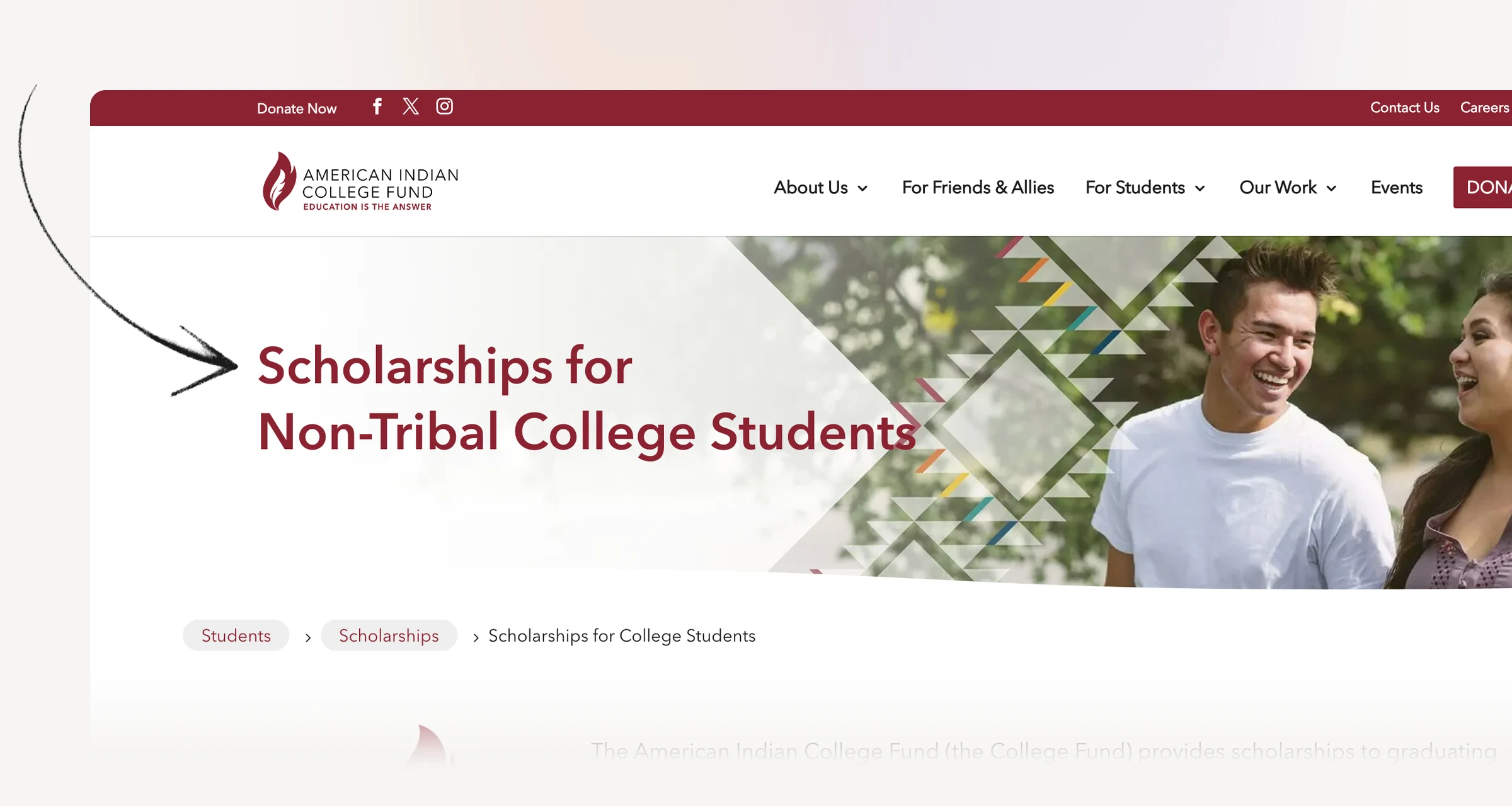
The non-tribal-college page accepts enrolled members of federally or state-recognized tribes and descendants of enrolled members. An enrolled applicant supplies a tribal ID or CIB. A descendant supplies the parent’s or grandparent’s tribal ID plus birth certificates documenting the relationship. It also asks for a photo and an unofficial transcript. College Fund application instructions.
The provider says one annual application can be considered for its portfolio. That does not make each award identical. Students attending a tribal college should consult the appropriate TCU route rather than assuming this non-TCU checklist applies. College Fund scholarship routes.
AISES: verify the named award, not just the general profile
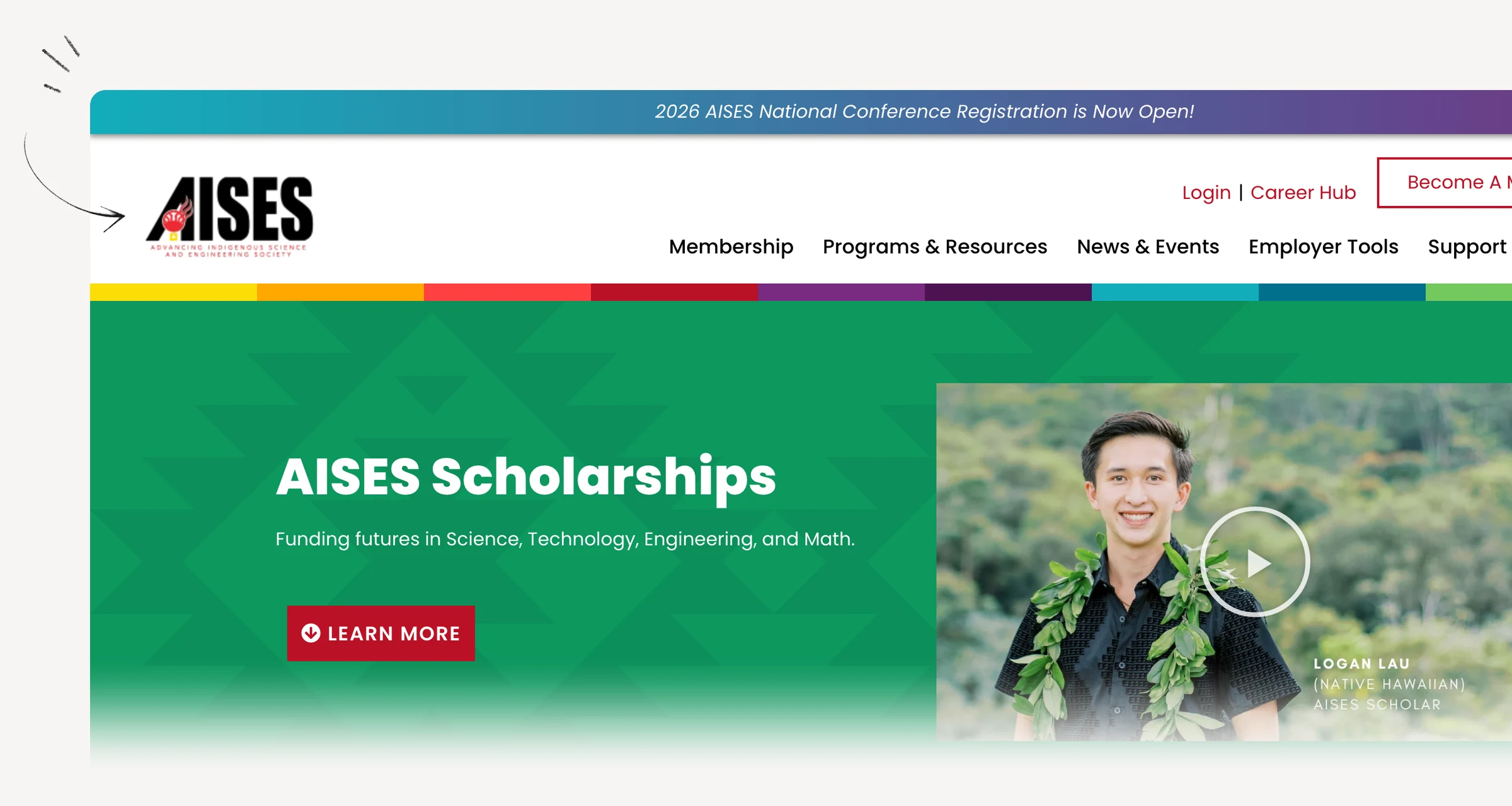
The Indigenous Peoples Education Fund award is specifically for entering STEM freshmen meeting its stated tribal-enrollment rule. AISES’ broader platform contains other awards with different fields, levels and Indigenous eligibility. Its scholarship page requires AISES membership, free for students, and explains that the OASIS general profile can be maintained year-round. AISES awards and platform.
A student matched to a different award should read that award’s conditions rather than transferring this freshman scholarship’s rules to the entire portfolio. The provider also requires applicants to complete their own profiles and application work; family assistance should not turn into a parent filling it out under the student’s identity.
A practical document plan
Build a private checklist with three columns: what the provider asks for, who issues it, and when you requested it. A hypothetical descendant applying to the College Fund may need family relationship documents; a Native Forward applicant also needs a financial aid officer to complete a form. These are different tasks and should not be collapsed into “upload proof.”
Ask the provider about an unclear or unavailable document before the deadline. Send sensitive records only through its approved process. This article does not certify tribal membership or suggest that a commercial ancestry result substitutes for the listed evidence.






