
This guide concerns funding for government-related study and careers. It is not a list of all federal student aid. Official sources were checked October 13, 2026.
| Program | Relevant route | Verified support/status | Application action |
|---|---|---|---|
| Truman Scholarship | Future public-service graduate study | Up to $30,000; national nomination deadline February 2, 2027 | Contact your institutional advisor; campus deadline may be earlier |
| Udall Undergraduate Scholarship | Environmental leadership or qualifying Tribal policy/health interests | Foundation anticipates up to 65 awards of $7,500 in 2027 | Use campus nomination process; national submission March 4, 2027 |
| Rangel Graduate Fellowship | Foreign Service-oriented graduate study | 2026 cycle postponed pending State Department updates | Monitor official announcements; future cycle unconfirmed |
| Pickering Graduate Fellowship | Foreign Service-oriented graduate study | 2026 cycle postponed pending State Department updates | Monitor official announcements; no current opening asserted |
Truman: public-service direction matters more than the major
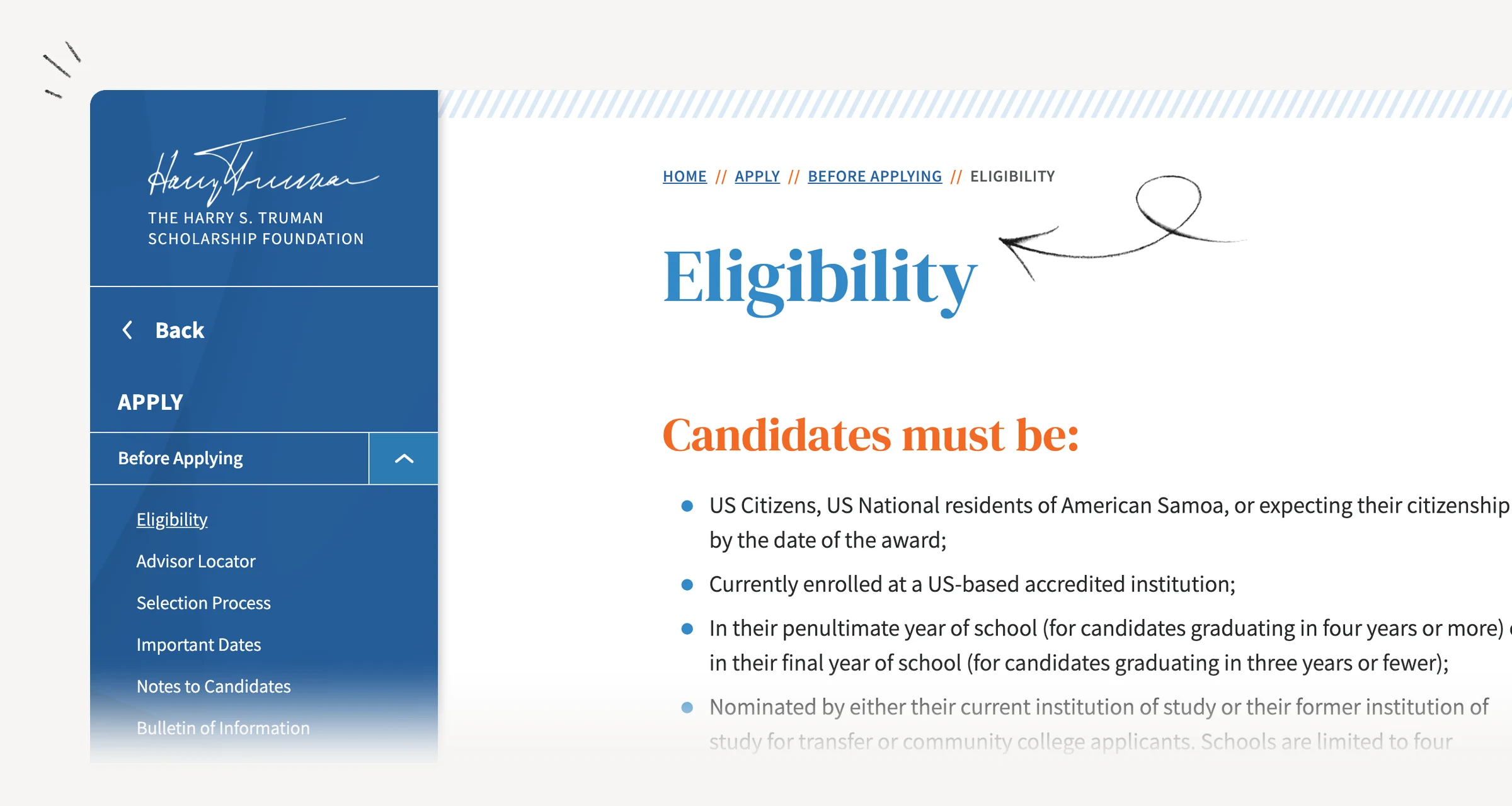
Truman permits any major, but applicants must meet citizenship, enrollment, degree-stage, and nomination rules. The eligibility page specifies the penultimate year for programs lasting four years or more, or the final year for programs lasting three years or fewer. This is not a generic award open to all undergraduates.
Find your advisor early. The national deadline is for receipt of nominations, not a reason to wait until February to start campus review. The Foundation also specifies scholar responsibilities and a post-graduate public-service reporting requirement, with potential repayment consequences if required service is not met. Read those obligations before applying.
Udall: distinguish the categories
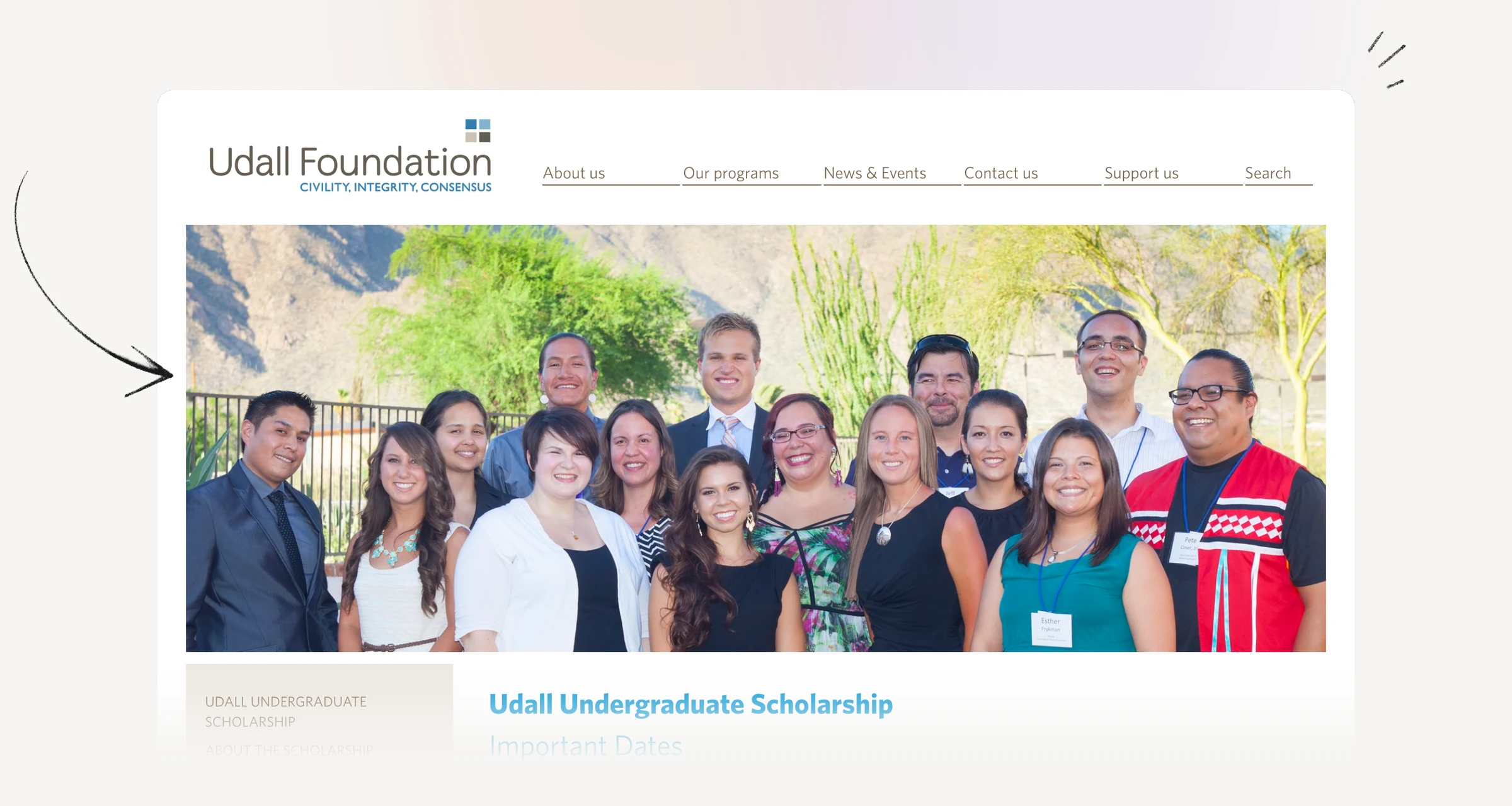
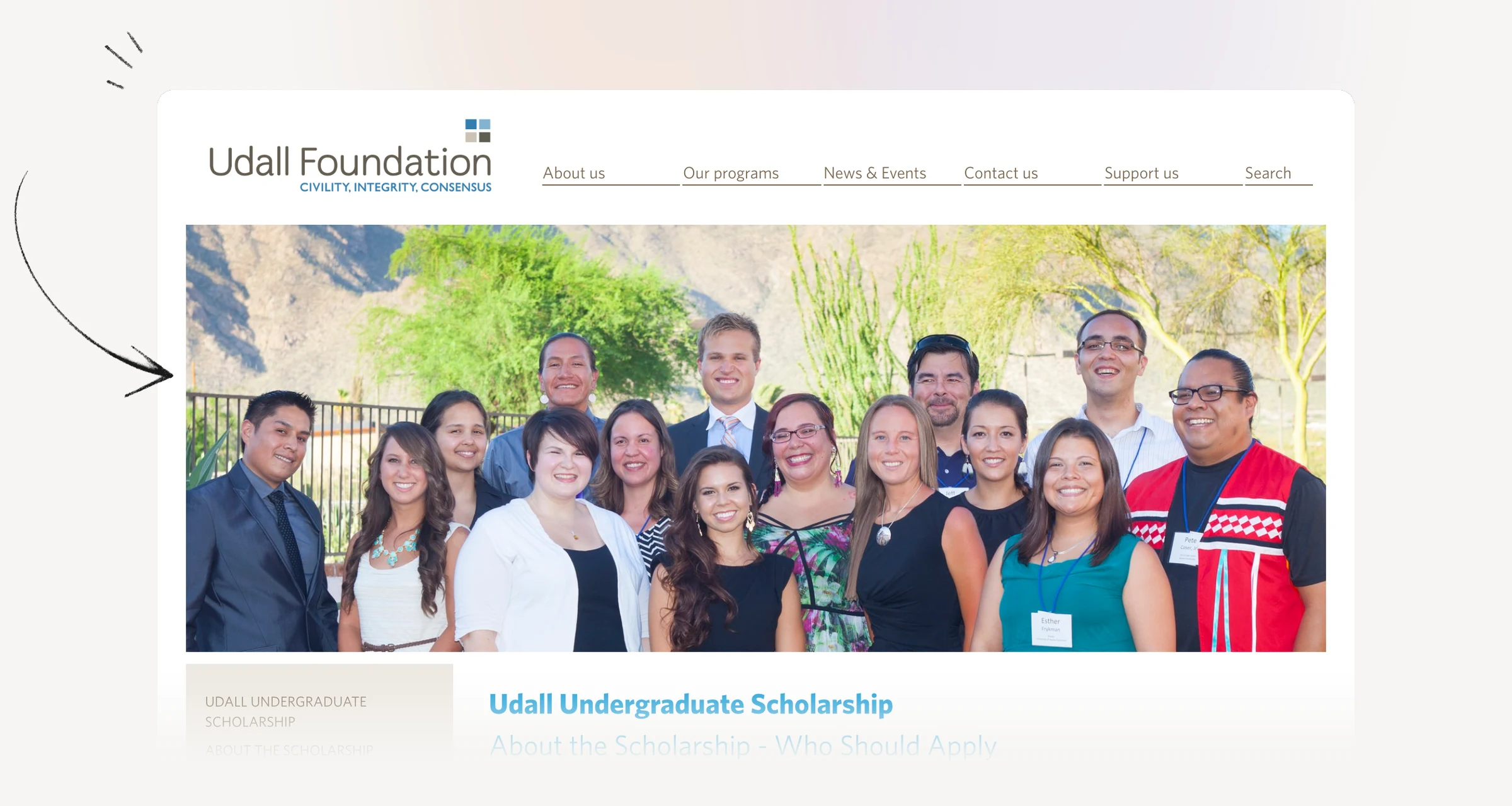
An interest in government alone is insufficient. The who-should-apply page distinguishes environmental interests from Tribal policy and Native health-care categories; the latter categories are directed to Native American and Alaska Native applicants. Inspect the linked current eligibility criteria for the full conditions.
The 2027 schedule states that applications are available beginning October 9, faculty representatives must register students by March 3, 2027, and submission is due March 4, 2027 at 11:59 p.m. MST. Institutional deadlines may be earlier. If another page still displays a 2026 date, use the explicit 2027 schedule and confirm with the faculty representative rather than mixing cycles.
Diplomacy programs: monitor, but do not budget unannounced funds
Rangel and Pickering both currently announce postponement of their 2026 application cycles. Their sites describe Foreign Service-oriented graduate support, but old award amounts or old eligibility-year wording should not be republished as confirmed terms of a future competition.
Pickering’s site describes a minimum five-year Foreign Service commitment after entry. Applicants considering either program should review all applicable obligations, entry conditions, and current guidance if a new cycle is announced. These are not unrestricted grants for any international-relations degree.
Build an evidence-based application plan
Create an entry for each program with five items: intended career, current degree stage, mandatory eligibility, campus contact, and actual cycle status. Put postponed programs in a monitoring list rather than counting them as funded options.
For a service essay, outline a specific problem you worked on, your contribution, what evidence you gathered, and what training would help you act more effectively. Example: a student studying local transit policy might explain how they compared rider feedback with service data, not simply write that they want to help their community. This is an illustrative preparation method, not a provider-required essay structure.
Are these only for political science majors?
No. Truman explicitly allows any major, and program fit can come from a student’s career direction. However, that does not remove citizenship, nomination, degree-stage, or category restrictions. Your next step is to contact the relevant campus advisor for a current eligible program and make a separate plan for programs whose next cycle is unconfirmed.






