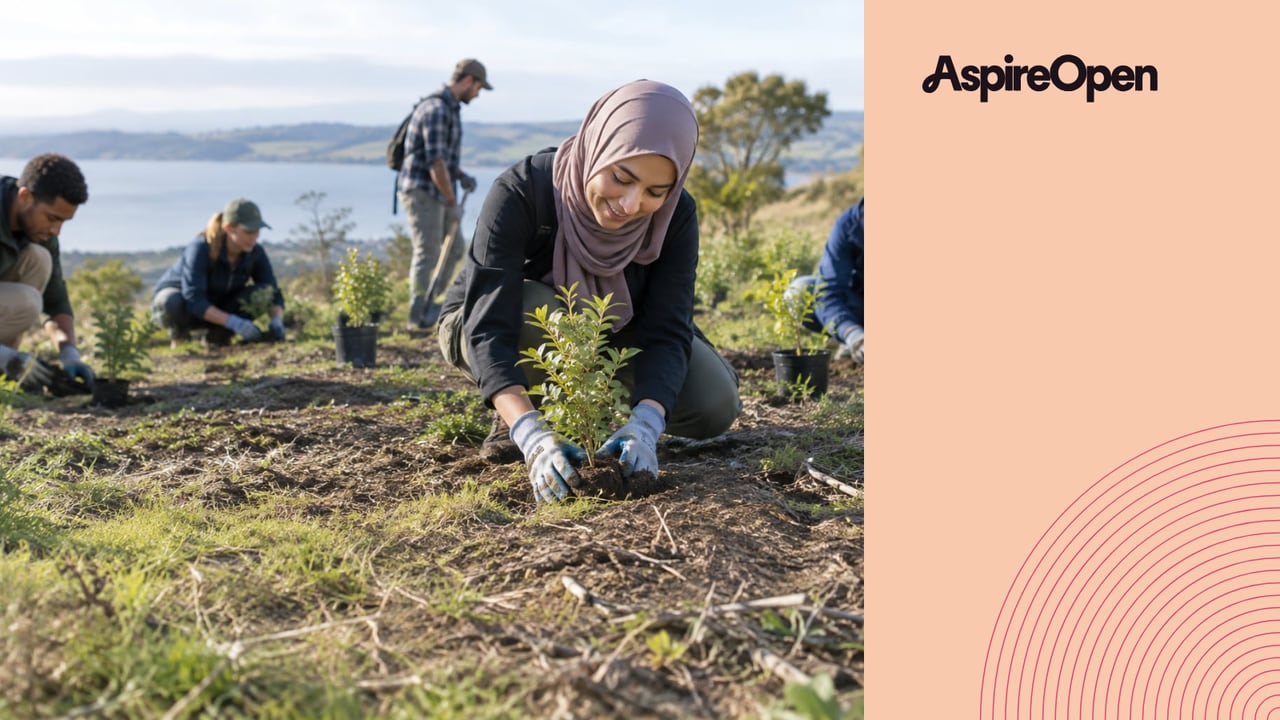
Environmental-science funding can follow the work you intend to do: water supply, solid waste or resource management. Start with that career connection and the degree you will pursue.
Do not assume every environmental award is for conservation fieldwork or that every professional association requires the same membership. The selected programs below make the sector and applicant conditions visible.
Compare verified opportunities
Checked October 14, 2026. Full individual rules apply.
| Program | Who should investigate | Support/status |
|---|---|---|
| AWWA academic scholarships | Eligible degree students under individual water-sector awards | Amount varies; 2027–28 applications open through November 6, 2026 |
| SWANA Robert P. Stearns/SCS Engineers Scholarship | Eligible full-time graduate students in solid-waste-related study with required SWANA connection | One $5,000 award; next application round spring 2027 |
| SWANA Harvey W. Gershman Scholarship | Eligible full-time students intending waste/resource-management employment | Amount not stated in retrieved overview; next spring 2027 round |
Water scholarships use their own residence rules
AWWA says membership is not required, but applicants need permanent residence in the U.S., Mexico or Canada. Funds go to the school and may cover specified academic expenses, not rent, per diem or a stipend. AWWA eligibility/payment FAQ.
Its Water Equation overview includes selected business and government-relations opportunities alongside STEM study. Read the actual named award rather than assuming every degree fits every category. Award scope.
A hypothetical applicant could explain a water-related academic question and the role they personally played in a project. Do not invent laboratory results or claim a community outcome without evidence.
Waste-sector funding has membership or family conditions
SWANA’s general scholarship route is for eligible members or their children/grandchildren. The Stearns award specifies graduate study and a qualifying student-member or family-sponsor relationship. A shared interest in recycling alone does not establish eligibility. SWANA criteria.
Record the actual relationship and membership status with your degree and expected graduation. Ask the sponsor about an uncertain case rather than guessing or omitting information.
Its page announces 2026 recipients and the next spring opening. Do not use an old application PDF as proof of a currently open round.
Operator training and travel are separate benefits
AWWA’s Water Operator Continuing Education Fund supports nontraditional training, certification and community-college coursework, but explicitly excludes undergraduate, graduate and PhD programs. Its event travel awards fund participation rather than ordinary tuition. AWWA benefit categories.
NEWEA’s InFLOW program includes admission to its January 24–27, 2027 conference and workforce engagement. Confirm travel and other terms; conference admission is not an unrestricted college scholarship. NEWEA InFLOW.
Keep those benefits in separate budget rows and check reimbursement timing before committing expenses.
Build a useful application and budget
Explain the question, method, your contribution, evidence and limits. Protect private environmental datasets, sensitive locations, employer information and unpublished results. Ask permission before sharing material.
Record award amount actually offered, eligible costs, payment recipient, funded year, renewal and obligations. Ask your aid office about the effect on your package and keep pending awards separate from confirmed funds.
Your next step is to choose water, waste or resource management, verify one matching award and ask your department about separate institutional funding.






