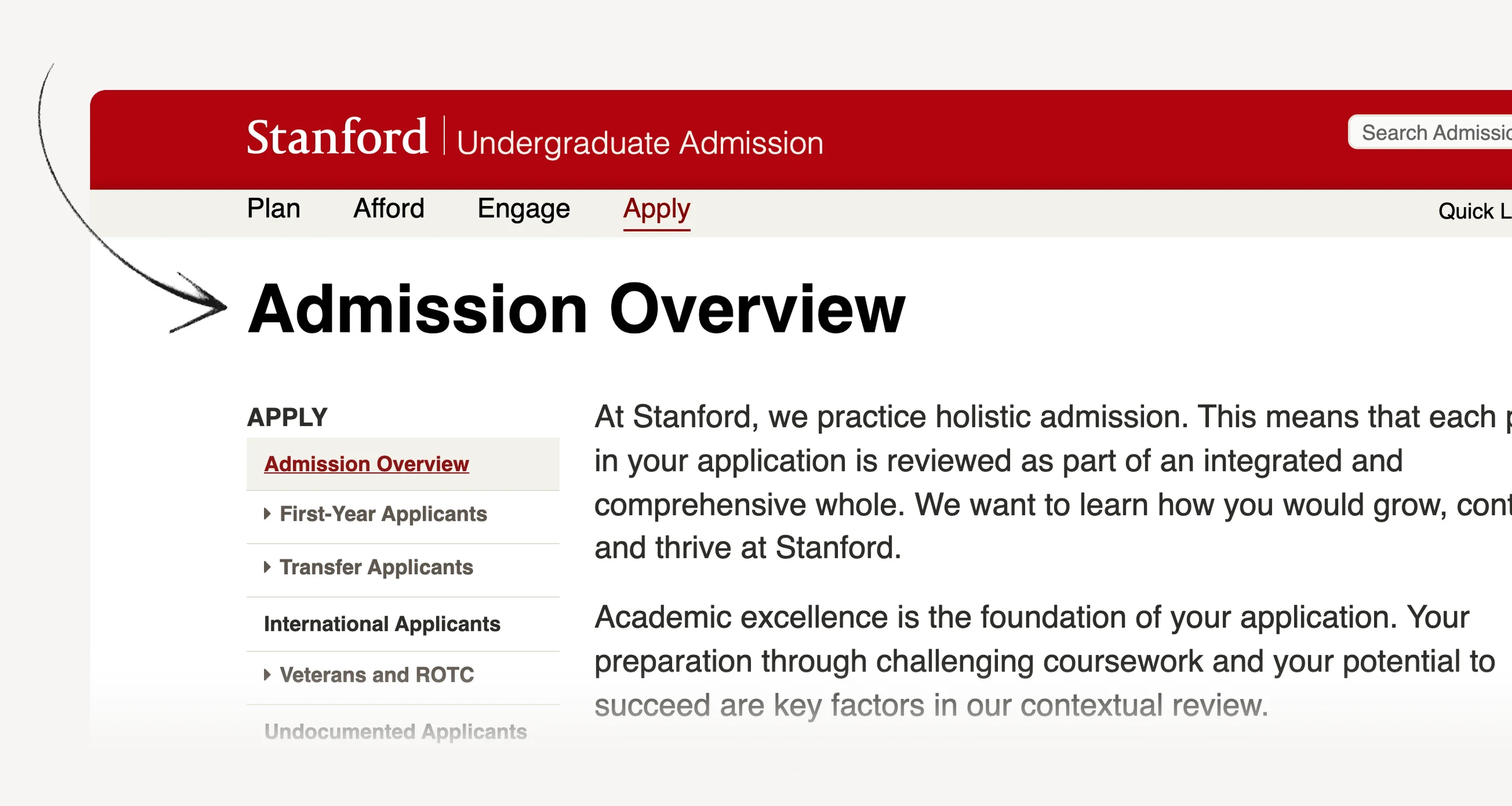
There is no activity, essay topic, or award that guarantees admission. Different institutions have different selection processes. For example, Yale describes academic strength and context-based review, while Stanford’s overview discusses academic excellence, intellectual vitality, and personal context. Use these as institutional examples, not a universal admissions formula.
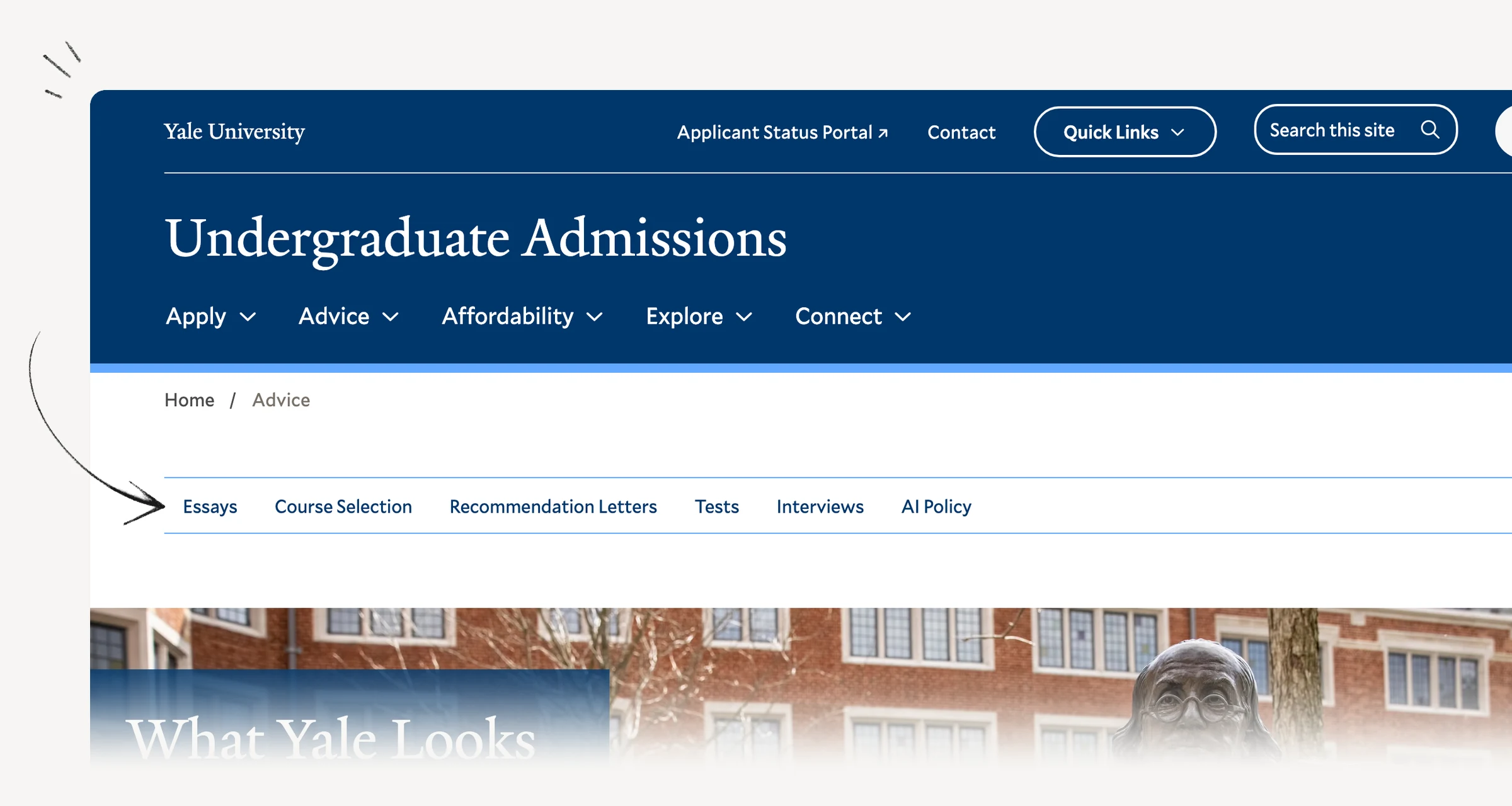
Source: Yale describes academic strength and context-based review
1. A transcript that makes sense in context
Look at the relationship between your available courses, course choices, and performance. Yale identifies the transcript as its most important application document and says it considers opportunities available at the applicant’s school. That is different from demanding an identical AP count from every applicant.
Before selecting courses, ask your counselor what a challenging, balanced schedule looks like in your school. Consider prerequisites, subjects relevant to your interests, and responsibilities outside class. Do not choose a course solely because its name looks impressive if you cannot explain how it fits your preparation.
If your school uses an unusual grading system or offers few advanced courses, help your counselor provide that context through the appropriate school information. Do not silently translate your transcript into a different system.
2. Activities described with responsibilities and outcomes
An activity title is not the same as evidence. “President” can tell a reader less than a precise explanation of organizing meetings, maintaining a budget, or helping younger members learn a skill.
Use this drafting structure: What you did + who or what it served + how sustained the work was + a result you can substantiate. This is a writing aid, not a mandated application format.
Hypothetical revisions:
- Vague: “Passionate community leader”
- Clearer: “Scheduled weekly tutoring sessions and created algebra practice sheets for younger students”
- Vague: “Entrepreneur and CEO”
- Clearer: “Managed orders, customer messages, and expenses for a small weekend craft business”
Add numbers only when you can support them. If you do not have a credible count of people served, explain the actual work rather than inventing an impact statistic.
3. Paid work and family responsibilities belong in the picture
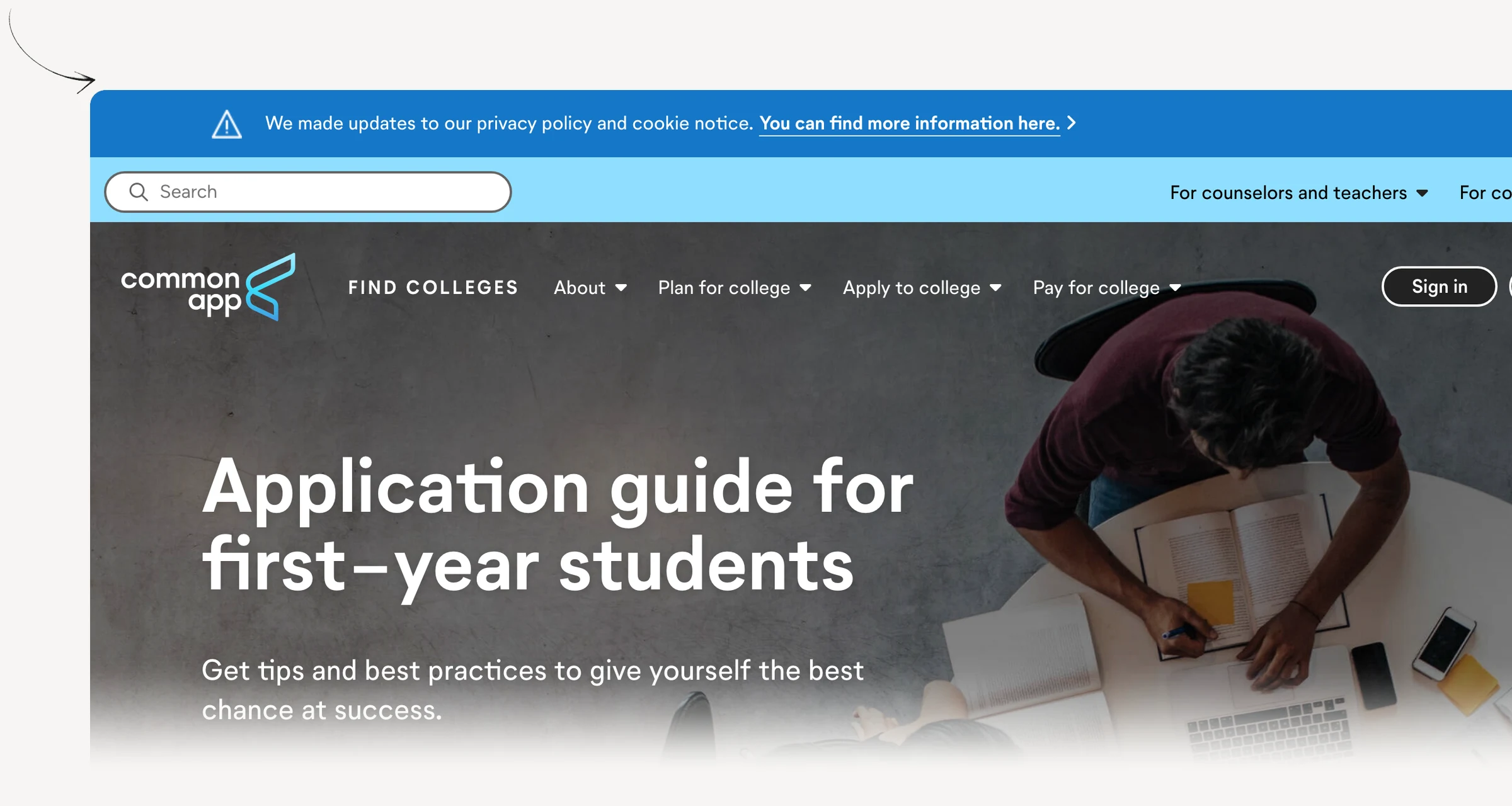
Common App’s first-year guide includes activities, work, and responsibilities among the information students should prepare. Its activities resource explicitly prompts applicants to consider jobs and family responsibilities; it also says students do not need to fill every available activity slot.
For a job, identify your responsibilities and schedule. For caregiving, describe your role without exposing unnecessary private medical or family information. If a commitment limited your ability to join clubs, factual context is more useful than apologizing for not having a conventional résumé.
Do not present routine responsibilities as unpaid internships or inflate informal help into a nonexistent organization.
4. Essays that reveal a choice or change
A personal essay should do more than repeat your activity list. Choose a moment that lets you explain a decision, a question you pursued, a mistaken assumption, or a change in behavior. Yale encourages thoughtful reflection and an applicant’s own voice in its essay and application advice.
Hypothetical: Instead of describing every tutoring session, explain the moment you discovered that your explanation confused a student, how you changed it, and what that taught you about listening. The scene creates evidence; the reflection gives it meaning.
You do not need to manufacture hardship. Protect other people’s privacy and avoid attributing thoughts or feelings to them that you cannot know.
5. Recommendations grounded in real interactions
Ask someone who meets the college’s recommender requirements and knows your work. Prepare a concise reminder of relevant projects, classroom contributions, and interests. Give factual context, not a script demanding certain compliments.
A famous name is not a substitute for firsthand knowledge. Verify how many recommendations the college accepts and whether an additional letter is welcome before sending one.
A final evidence audit
Read your application with four questions:
- Can someone understand what I actually did?
- Can every date, title, hour estimate, and result be defended?
- Have I explained important context without oversharing?
- Do the essay, activity list, and school records tell a compatible story?
Choose one weak or vague section and revise it today. Making existing evidence clearer is often more useful than starting a new activity just to add another line.
Source review: October 13, 2026. Confirm current application requirements with the provider.