
Start with the policy, not your percentile
| Policy you find | First action |
|---|---|
| SAT/ACT required | Follow the reporting requirements; withholding scores is not the optional-school strategy |
| Test optional for your applicant group | Evaluate whether scores add useful academic evidence, then check scholarship and program rules separately |
| SAT/ACT not considered | Read whether the school uses them for any purpose other than admission |
| Test flexible | Verify which exams currently satisfy the requirement; an old list may no longer apply |
These are reading categories, not a current list of all colleges. The same institution can change policy between application cycles.
A real policy change to watch
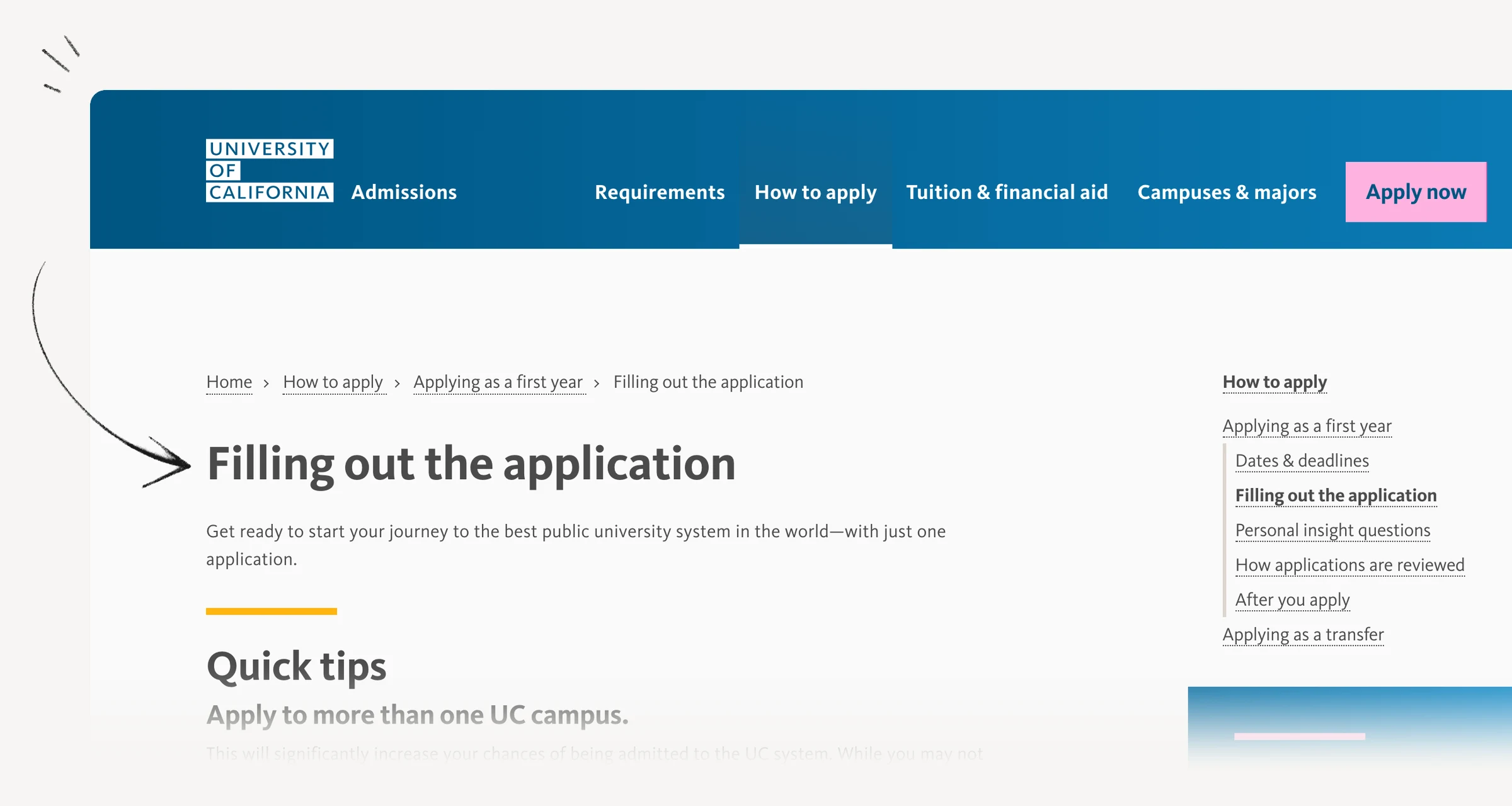
Source: UC first-year application
As checked October 13, 2026, Yale requires ACT or SAT scores from first-year and transfer applicants. Its May 27, 2026 announcement explains the move away from the earlier test-flexible policy that allowed AP or IB exams to satisfy the requirement. An article repeating the older AP/IB alternative would give current applicants the wrong instruction. Yale’s dated announcement.
UC’s first-year application instructions say SAT/ACT results are not considered for admission decisions or scholarships. Those instructions do not justify treating another public university system the same way. UC’s current instructions.
At an optional school, examine the academic evidence
Use the following questions as an evaluation worksheet, not an admissions prediction:
- What does the college itself say about evaluating submitted scores?
- Do your results help explain preparation for the courses you want to take?
- If you compare a published score range, who is included—enrolled students, admitted students or only score submitters?
- Does a scholarship, honors program or special applicant route have its own requirement?
Do not invent a rule such as “always submit above the median.” A published range is context, not a personalized admission cutoff. Ask an admissions officer about unclear policies rather than paying to send a report based on an unsupported formula.
Self-reporting and sending official scores are different
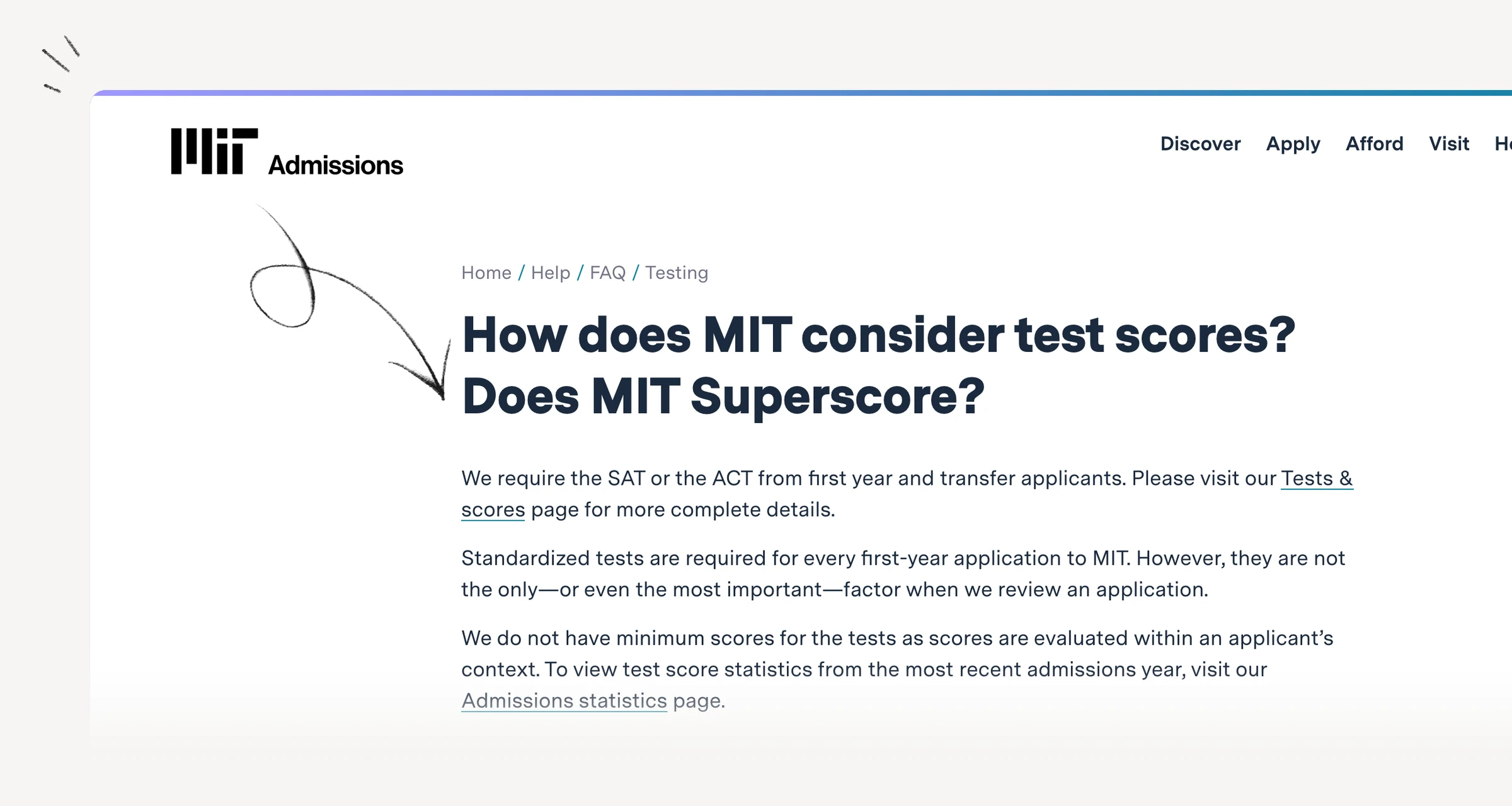
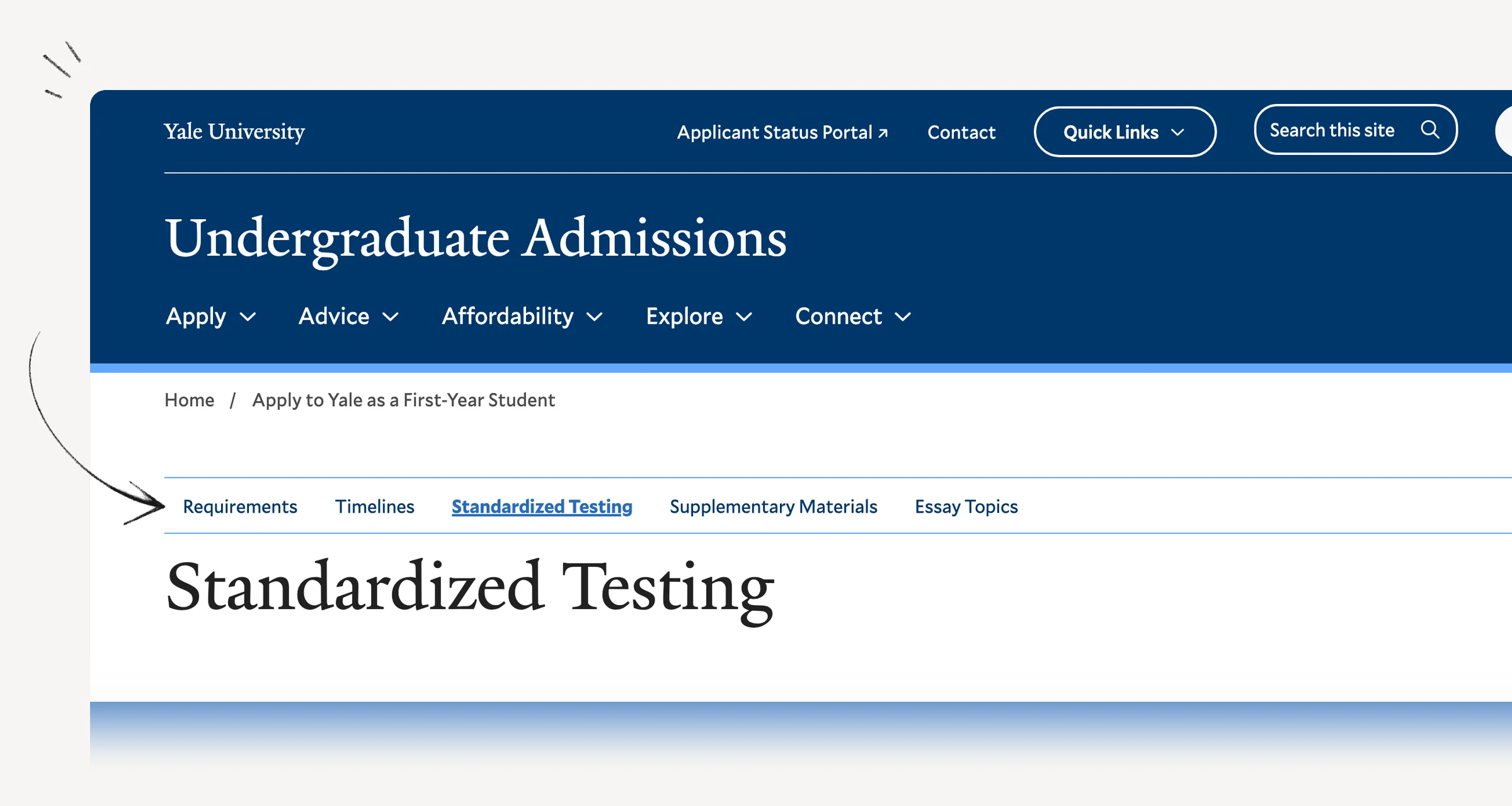
Source: Yale standardized testing
Yale permits applicants to self-report; admitted students must provide matching official results before enrolling. MIT’s FAQ instructs applicants to report full sittings and self-report all exams taken, with MIT considering the superscore. Those are different instructions—not permission to apply whichever reporting method is easiest to every school. Yale reporting details and MIT superscoring FAQ.
Before selecting a reporting option, create one row per college with the accepted reporting method, required sittings, superscoring instructions and verification deadline. If a college accepts self-reports during review, do not assume that eliminates later verification.
A worked decision example
A hypothetical student has an SAT result they feel does not reflect their classroom record. For a current Yale application, the first task is complying with the required-score policy, not choosing to hide the result. For UC, the student should concentrate on the application evidence UC considers. At a third institution whose official page explicitly permits optional reporting, the student can assess the score in context and confirm separate program or scholarship conditions.
One test result can therefore lead to three different actions. Your next move is to open each college’s official testing page and save its instructions alongside your application checklist.