Application choices for fall 2027

Source: Admission requirements
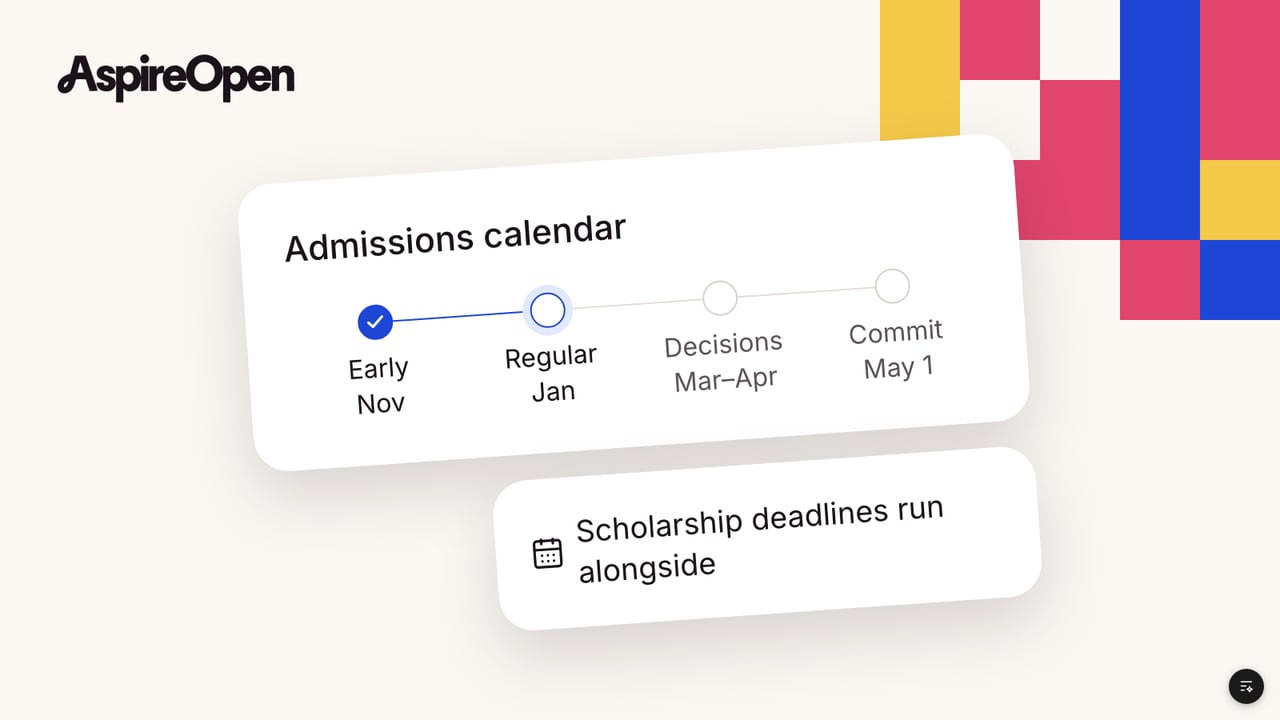
Rice’s first-year domestic applicant page distinguishes Early Decision I, Early Decision II, regular decision, and music-specific requirements. For the 2026–27 application cycle, its published month/day deadlines map to:
| Route | Admission application | Domestic aid requirements |
|---|---|---|
| Early Decision I | November 1, 2026 | November 15, 2026 |
| Early Decision II | January 4, 2027 | January 4, 2027 |
| Regular decision | January 4, 2027 | February 1, 2027 |
Sources: Admission requirements and 2027–28 domestic aid instructions. Verify the applicable route and any special-program requirements before submitting.
Rice recommends SAT or ACT scores if available; do not turn that recommendation into a testing requirement. The applicant page requests a counselor recommendation and two teacher recommendations. Architecture applicants have a portfolio requirement; music applicants should follow the Shepherd School’s separate preliminary submission or audition process. Use the official applicant page.
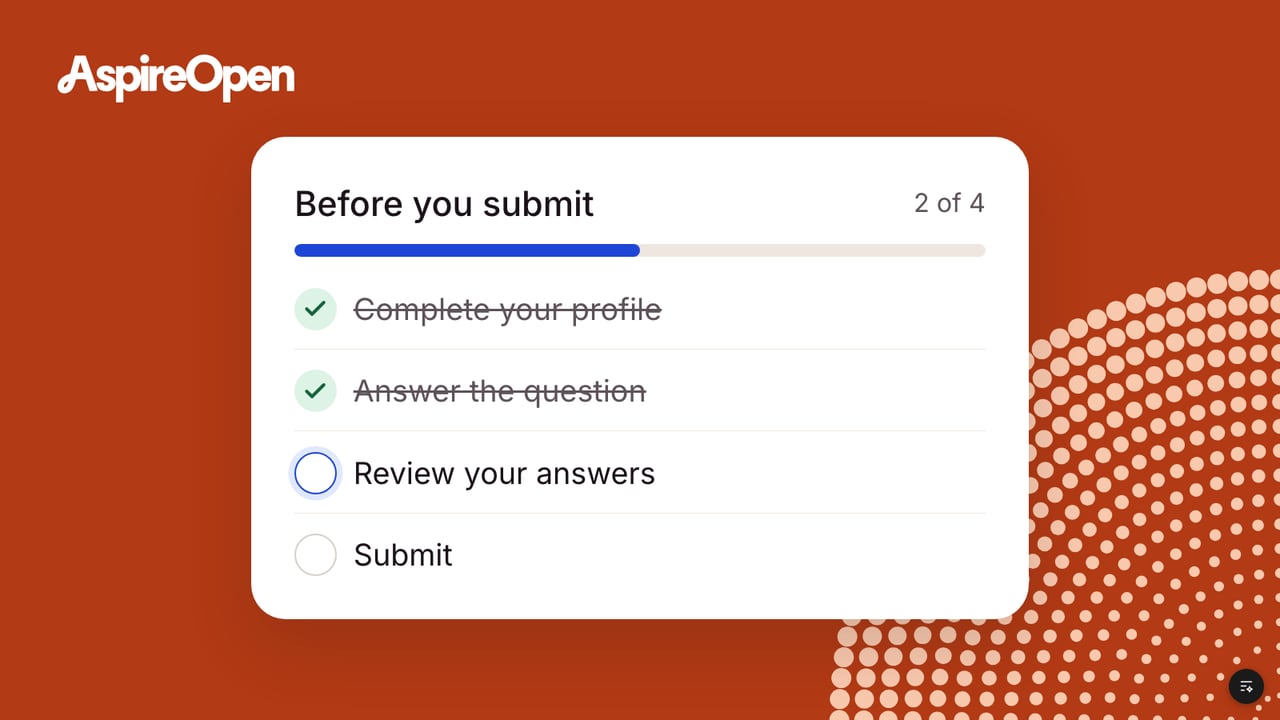
Next step: Make two checklists—one for admission and one for aid—and add portfolio or audition items when applicable. Early Decision includes an agreement, so investigate affordability before choosing that route.
The Rice Investment: watch the entering year
Rice’s expanded program describes full tuition, fees, and living-expense grant coverage for qualifying households with income up to $100,000, and full-tuition grant coverage for qualifying households with income up to $200,000, assuming typical assets. The expanded tiers do not apply to current students or students who entered in fall 2026. The provider explicitly confirms eligibility for qualifying transfer entrants in fall 2027 and later. Read the current Rice Investment rules with your entering year in mind.
These are need-based provisions, not merit awards or an income-only guarantee. Significant assets can affect eligibility. International students are not eligible for the Rice Investment, although the page describes a separate route to request need-based aid. Students must apply for need-based aid each year; there is no additional Rice Investment application. Review the provider’s qualifications.
Aid paperwork is separate from merit selection
The domestic first-year aid page requests the 2027–28 CSS Profile and FAFSA, along with required documentation through IDOC. It specifies 2025 income and tax information and current asset information. Separated-parent households should read the additional CSS Profile and documentation requirements; do not assume the FAFSA alone completes Rice’s process. Follow the domestic aid instructions.
Rice says merit scholarships are selected using the admission application, not the FAFSA or CSS Profile. Their renewal conditions belong in the actual award letter. It also distinguishes costs billed by the university from indirect expenses such as books and transportation. Read the financial-aid FAQ.
Cost action: Use the dated cost-of-attendance page and official estimator linked from the Rice Investment page. Keep tuition-only coverage separate from total-budget coverage. An income threshold is not itself your personalized aid offer.
Academic and residential fit

Source: Explore residential colleges
Rice’s official program directory lets you compare the curricula behind broad labels such as engineering, business, and natural sciences. Use it to choose two or three potential areas rather than relying on an assumed major list. Browse official programs.
New students are assigned to a residential college and retain that affiliation through their undergraduate years. Rice describes college-specific social activities, intramurals, student government, and other opportunities. Ask how the system works in daily life and what current housing arrangements mean for you. Explore residential colleges.
Your next move
Confirm your applicant category and entry year, compare potential programs, and estimate net cost. Then check the actual admission and aid requirements in your portal. International, transfer, architecture, and music applicants should not copy a domestic first-year checklist without checking their own rules.