A practical snapshot
| Decision | Verified information | Your action |
|---|---|---|
| Academic route | A.B. and B.S.E.; applicants apply to the university, not individual departments | Explore degrees and departments |
| Fall 2027 testing | Test optional for fall 2027 entry; testing returns for fall 2028 entry | Check the application checklist |
| Aid approach | Need-blind admission; full demonstrated need met with grant aid | Estimate aid and review costs |
| Institutional aid form | Princeton Financial Aid Application, not CSS Profile | Follow prospective-student aid instructions |
Academic fit: compare A.B. and B.S.E. requirements
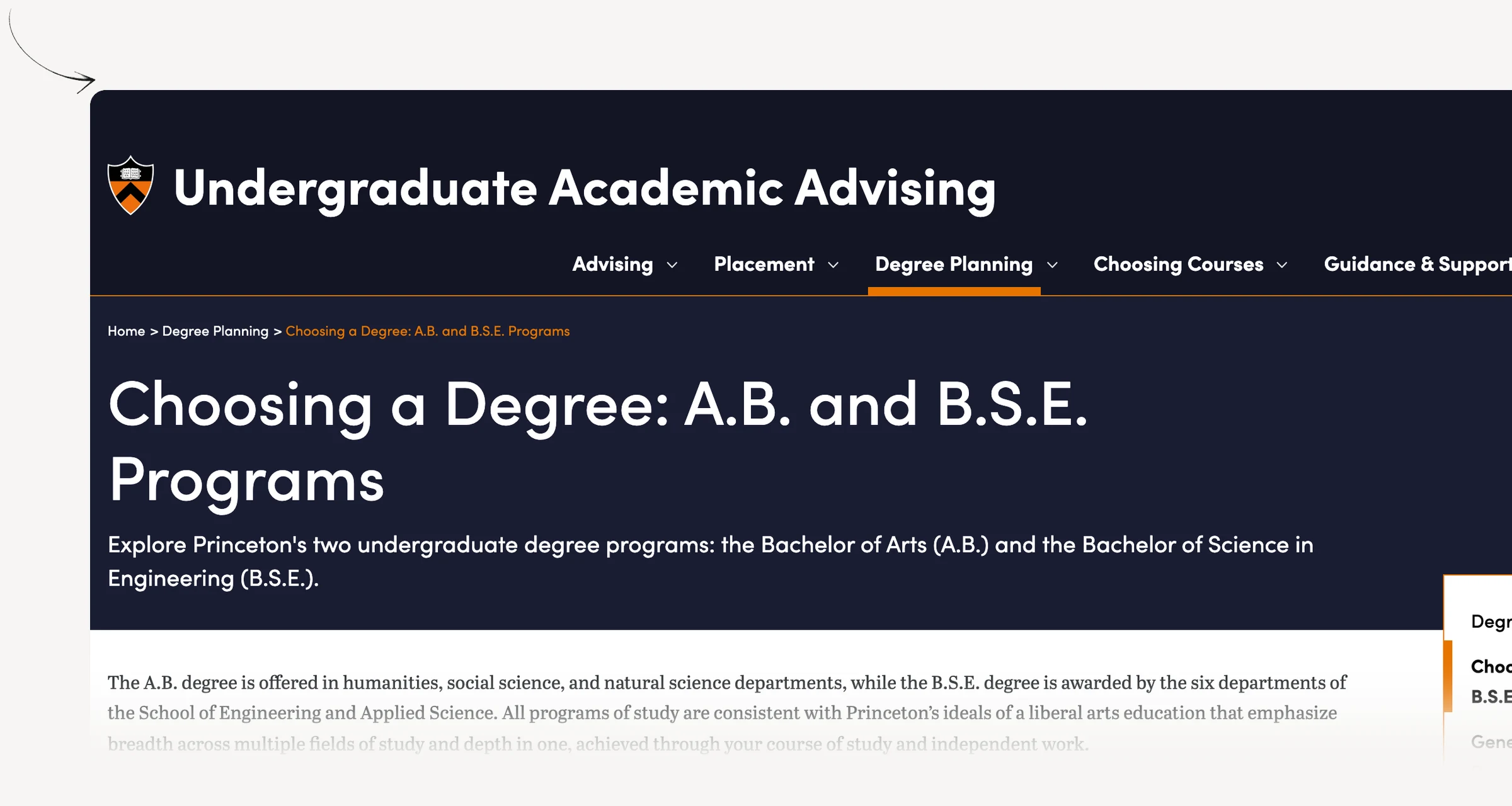
Source: Compare Princeton’s degrees
The A.B. covers humanities, social sciences, and natural sciences; the B.S.E. is offered through engineering departments. Both reflect breadth and focused study. A.B. students complete a writing seminar and a language requirement. Read the actual requirements before assuming an engineering or science interest automatically determines the degree. Princeton’s degree-planning guide explains the distinction.
Make a short list of departments and compare required courses and independent work. Princeton’s majors and minors directory directs readers to the official curriculum and program-specific requirements.
Application planning for fall 2027
Source: Check the application checklist
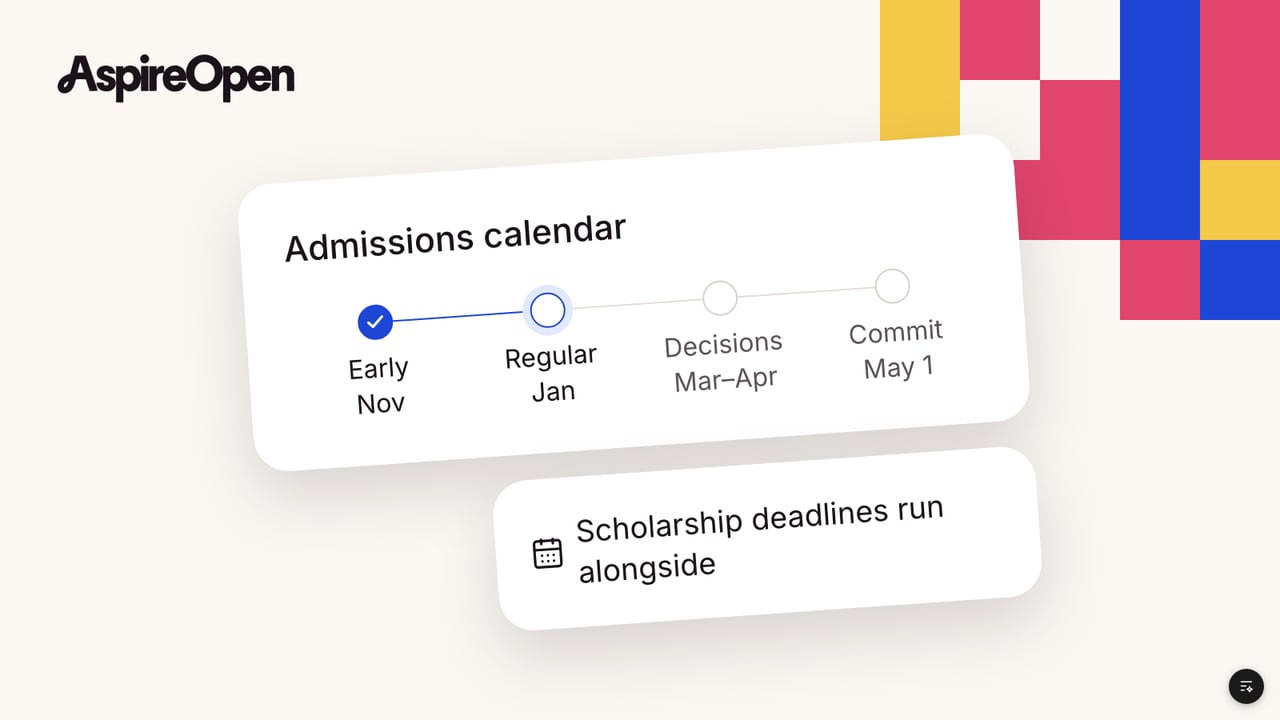
Princeton’s published first-year deadlines are November 1 for single-choice early action and January 1 for regular decision. For the upcoming fall 2027 entry cycle, those correspond to November 1, 2026, and January 1, 2027. Early action is restrictive; review the actual restrictions before combining it with another early application. See Princeton’s admission routes and deadlines.
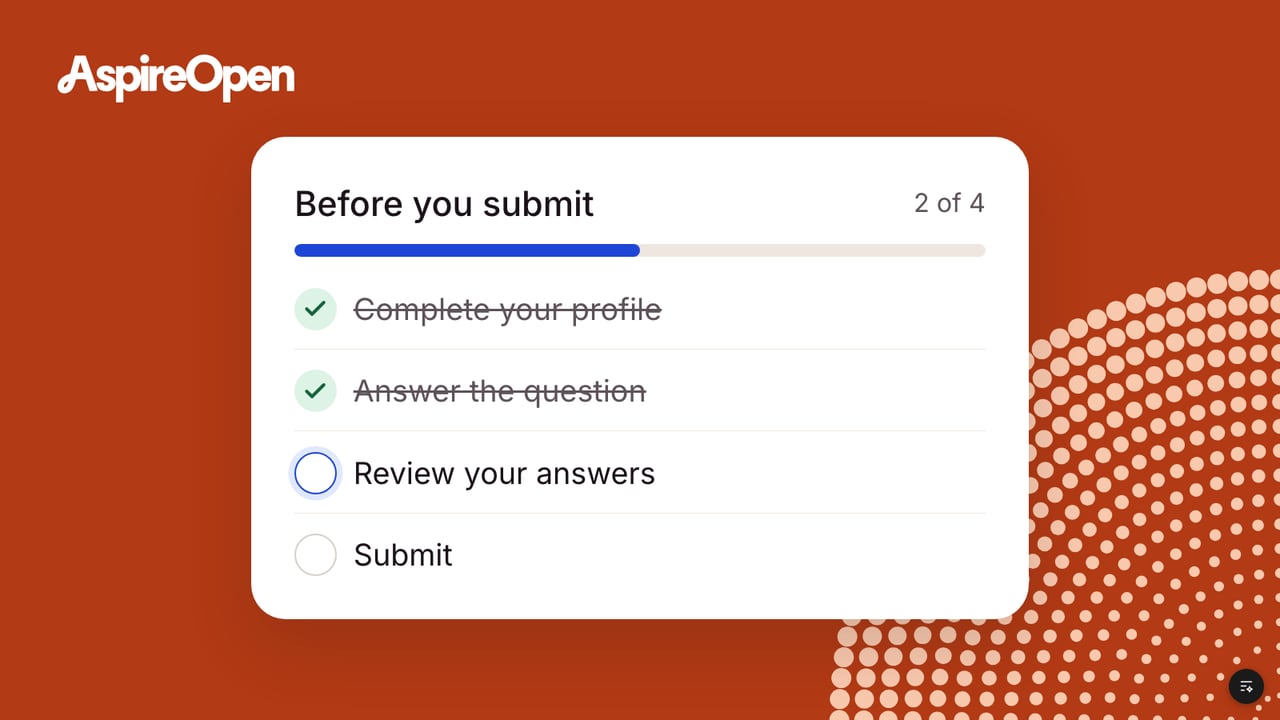
The application requires Princeton-specific responses and a graded written paper, in addition to school records and recommendations. The checklist lists two teacher recommendations in different core academic areas and a counselor recommendation. Plan for these documents as well as your personal essay. Use the official checklist.
Do not mix entry years: the same checklist says testing is optional for fall 2027 but required again for fall 2028 entry. Recheck before a later-cycle application.
Financial aid: Princeton determines your demonstrated need
Princeton states that admission is need-blind and that admitted students’ full demonstrated financial need is met with grant aid. Its no-loan aid policy replaces loans in its aid packages with grants. This is not a promise that every family’s bill is zero or that nobody ever chooses to borrow. Princeton uses its own assessment of family resources. Read the aid policy and estimator guidance.
For context, tuition is $68,140 for 2026–27. That is tuition only—not the total attendance budget and not a verified 2027–28 price. Housing, food, fees, books, travel, and other expenses need their own review. Avoid planning next year’s budget using an old headline price. Review the dated cost information.
Complete Princeton’s own aid process
Source: Follow prospective-student aid instructions
After applying for admission, use your applicant account for the Princeton Financial Aid Application. The prospective-student page explicitly says Princeton does not use CSS Profile or IDOC. For the 2027–28 cycle, its instructions request 2025 tax documents. Follow your household’s required documentation rather than assuming another college’s forms satisfy Princeton. Read the current application instructions.
Campus life: investigate the residential system
First- and second-year students are required to live in one of Princeton’s residential colleges. These communities also provide advising and resources, not just accommodation. Ask how that structure would support your academic planning and daily life. Explore the residential college system.
Your next move
Choose two potential academic routes, build separate admission and aid checklists, and use the official cost estimator with accurate household information. Compare the result with other schools’ estimates. Treat an estimate as planning information and an eventual individual aid offer as the basis for an enrollment decision.