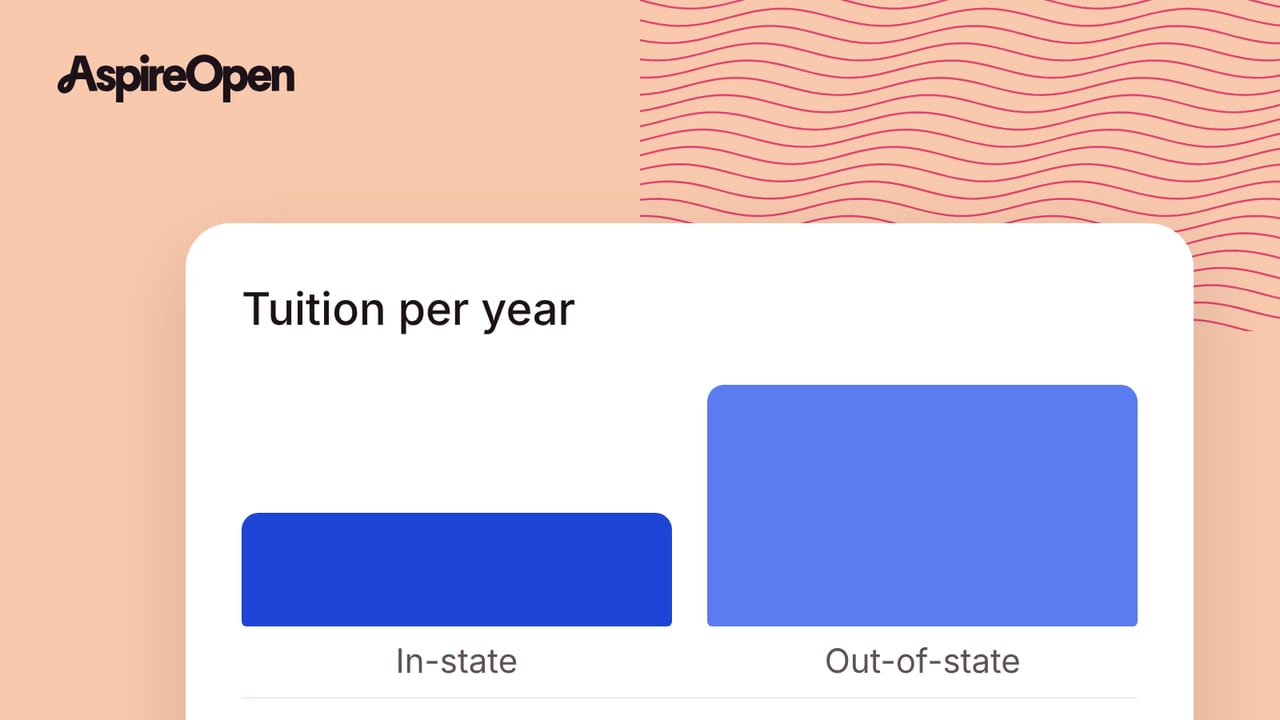
A prepaid tuition plan purchases future tuition benefits under a program’s terms. It does not necessarily purchase every expense of a college education. Prepaid tuition and education savings plans are both types of 529 plans; “prepaid versus 529” is therefore the wrong comparison. The useful comparison is prepaid tuition versus an investment-based 529 education savings account. SEC explanation of 529 plans.
Compare the promise before comparing the price
| Question | Prepaid tuition plan | Education savings plan |
|---|---|---|
| What are you purchasing? | Tuition benefits or units defined by the contract | An account invested for future education expenses |
| What must you examine? | Covered charges, payout formula, guarantee, residency and refund terms | Investment options, fees, risks and eligible withdrawals |
| Does the label establish total college coverage? | No; examine the specific benefit | No; future account value and college costs still matter |
| Best first document | Program contract and coverage schedule | Plan disclosure and investment information |
This comparison organizes your research; it is not a recommendation to buy either product. The SEC notes that prepaid plans typically have residency requirements and that fees vary by plan and structure. SEC investor bulletin.
Two official examples show why the contract matters
Florida Prepaid: examine which charges your plan covers
Florida’s official page requires proof of Florida residency during enrollment. Its one-year university plan covers tuition, the tuition differential fee and local fees—described as about 94% of total tuition and fee costs for that year at Florida state universities. Do not turn that into “all college costs covered.” Housing and the remainder of charges require their own budget. Florida plan coverage.
Existing account holders should inspect their actual coverage rather than assume today’s plan matches an older purchase. Florida’s billing guidance tells families to review tuition, local-fee, tuition-differential and dormitory coverage in their account. It also explains how to place a usage hold. Florida billing instructions.
Washington GET: a tuition benchmark, not a private-college guarantee
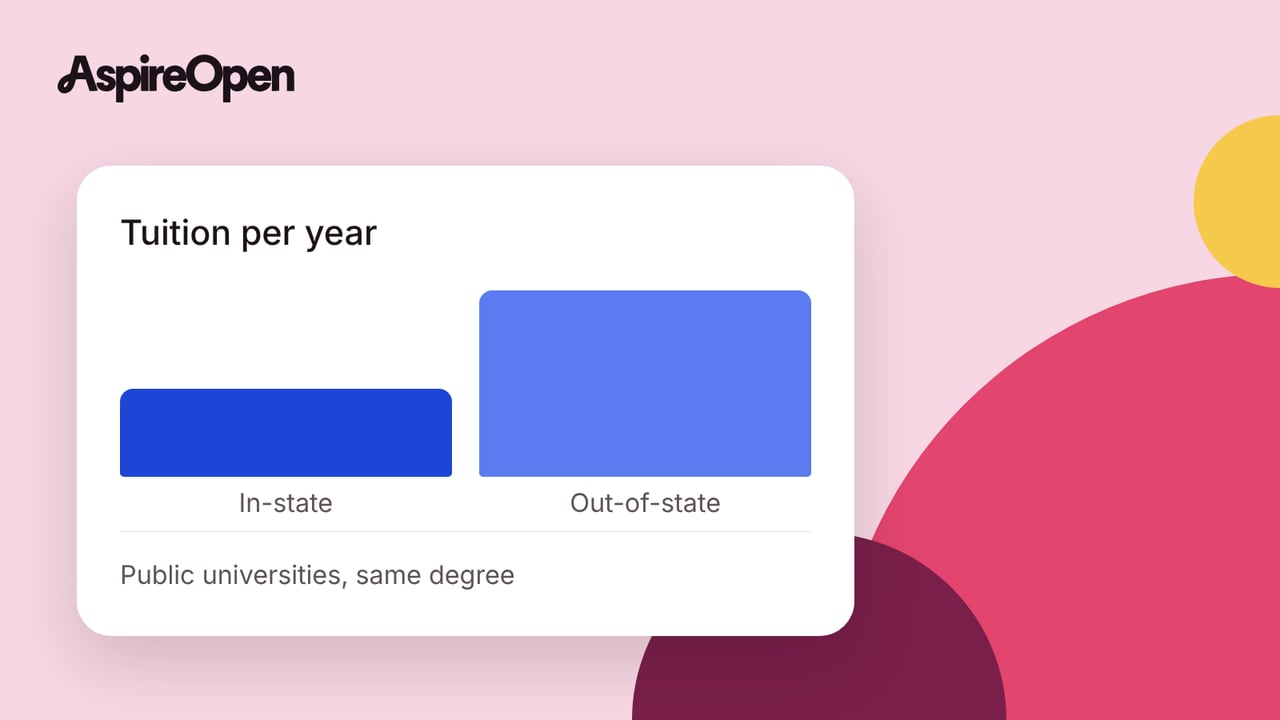
Washington GET states that 100 units cover one year of resident undergraduate tuition and state-mandated fees at Washington’s highest-priced public university. That benchmark does not mean 100 units will cover a year at any private or out-of-state school. GET FAQs.
The unit payout value remains the same when a student attends an out-of-state or private college. GET also allows eligible expenses beyond tuition when applicable, including books and room and board. The correct question is therefore how the payout compares with the destination school’s bill—not whether portability automatically equals full coverage. What GET can buy.
A worked example without invented returns
Imagine two hypothetical schools. College A’s covered tuition matches a family’s plan benchmark. College B charges more than that benchmark. The family should create this worksheet for each:
- The school’s tuition and mandatory charges.
- The plan’s confirmed payment at that school.
- The difference between those two figures.
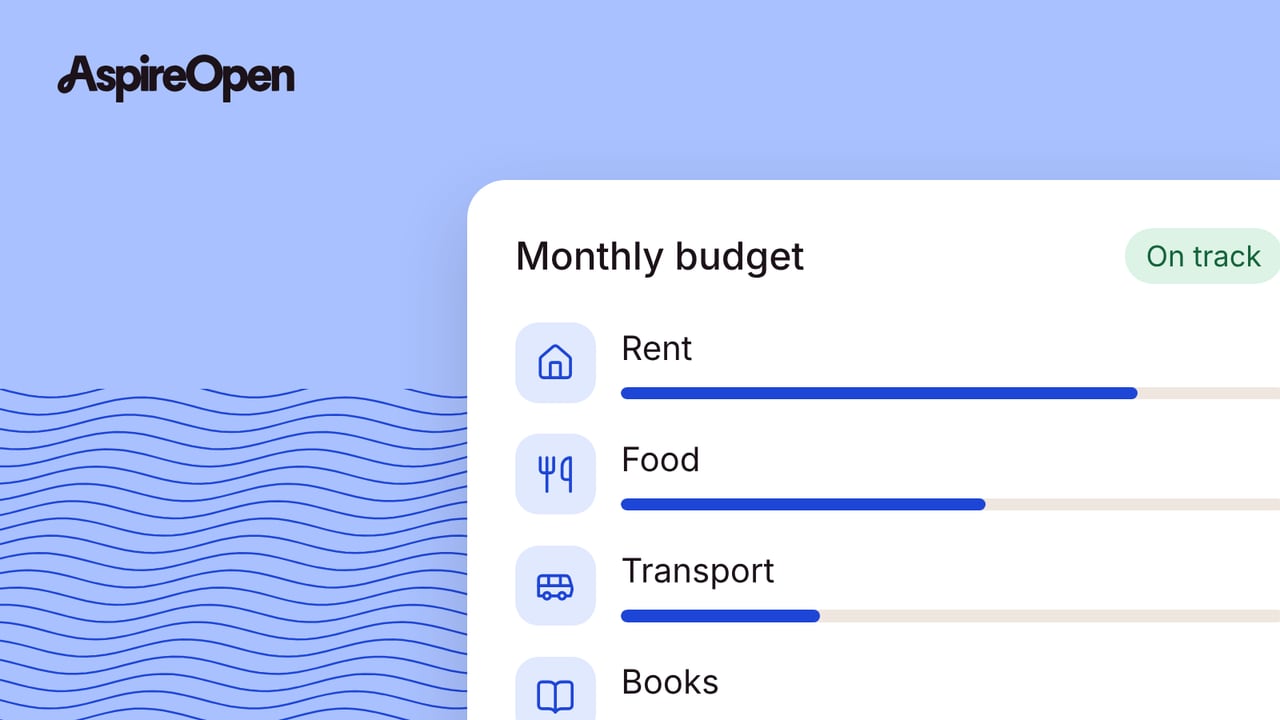
- Housing, food, books, transportation and charges outside the benefit.
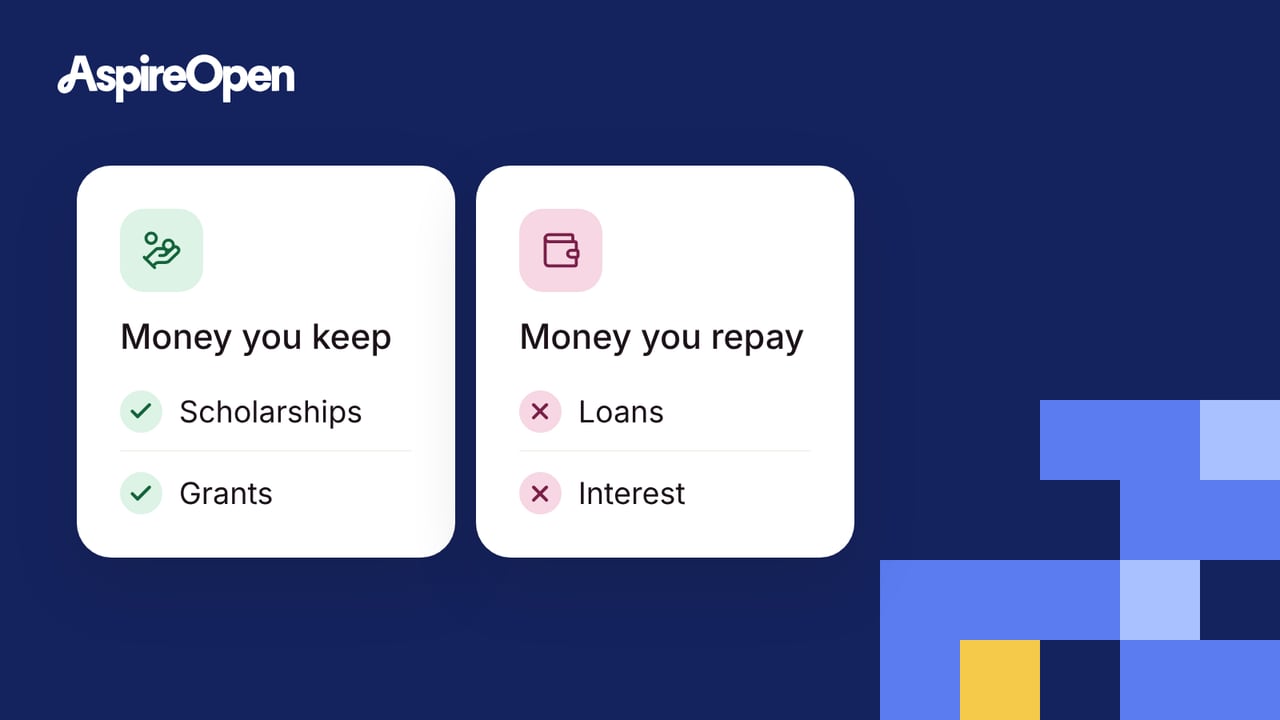
- Scholarships or grants actually confirmed, not hoped for.
Even if the tuition difference is zero at College A, the remaining expenses do not disappear. Ask the provider for a written payout explanation before selecting a school based on the phrase “prepaid.”
Questions to ask before buying
Use these as contract-review questions, not claims that every plan offers the same provisions:
- Which charges are included, and which are excluded?
- What happens at a private, out-of-state or international institution?
- Who guarantees the benefit, and what exactly is guaranteed?
- What if the student receives a scholarship or does not attend college?
- Can the beneficiary change, and are there deadlines or restrictions?
- What are the cancellation, refund and installment-payment terms?
Request the current contract, not only a promotional estimate. Keep the response beside the enrollment documents.
Should you rely on a national list of states?
Not without checking each provider’s current enrollment status. A legacy account can remain usable even when new contracts are no longer sold. This guide deliberately provides two verified examples rather than an unverified exhaustive state inventory. Start with your state’s official program and compare its enrollment rules, benefits and limitations with your family’s likely school choices.