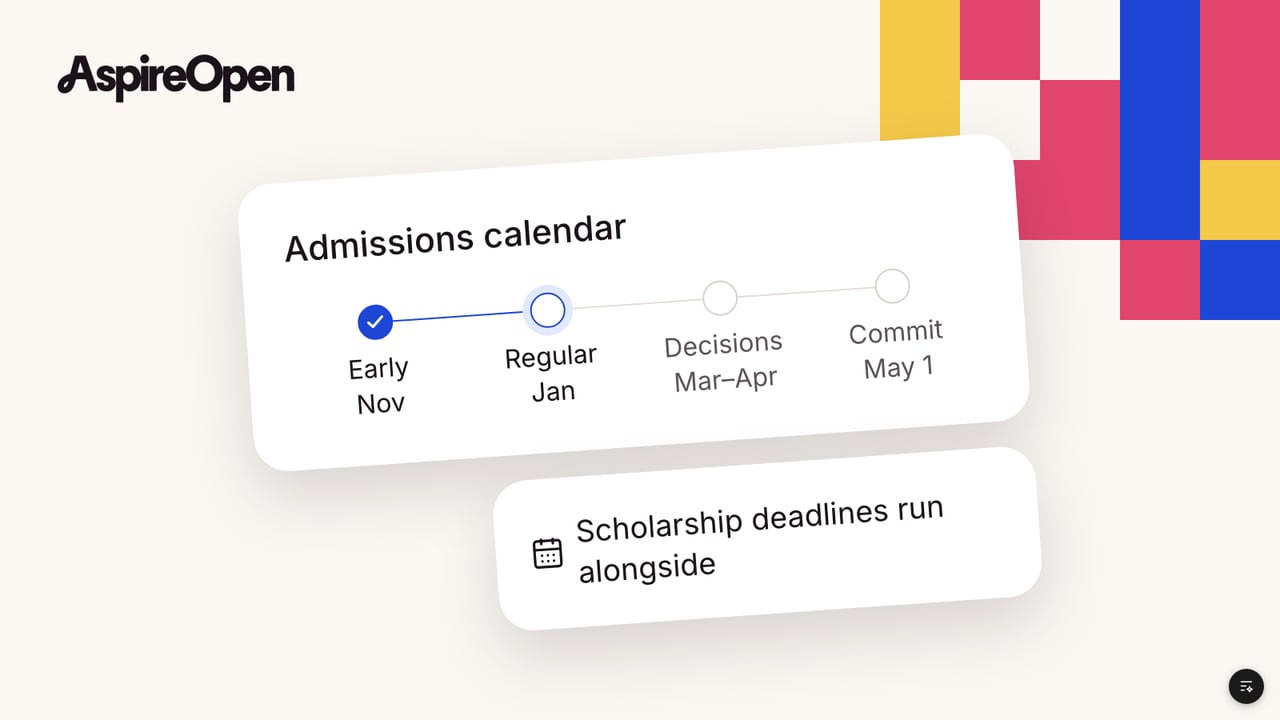
Current official pages provide broader windows: Yale says late March, and Harvard says the end of March. Yale timeline · Harvard first-year timeline
What is confirmed and what is not
| Item | Status as checked October 14, 2026 |
|---|---|
| Yale regular-decision window | Late March |
| Harvard regular-decision window | End of March |
| One coordinated spring 2027 date/time | Not confirmed in the current sources reviewed |
| Your applicant-portal announcement | Must be checked directly |
Historical Yale materials describe coordination, but a historical source does not establish the next cycle’s date.
Keep regular decision separate
Early Action, Early Decision and other routes use different timelines and obligations. Use the plan in your own application record. Do not assume an early applicant’s December result belongs to the spring event.
If an application moved between rounds, confirm the current status through the college rather than a community spreadsheet.
Prepare the practical steps
Verify portal access and contact details. Decide how you want to open a result and where to find the full letter afterward. An unofficial countdown or a change in portal appearance is not an admission decision.
Do not share passwords with someone offering to interpret hidden indicators.
An original planning example
Imagine a student waiting on several colleges with late-March windows. The student can prepare an offer-comparison sheet and confirm existing deadlines without scheduling everything around an unannounced exact release hour.
The example does not predict an outcome or a coordinated date.
Read outcomes individually
If admitted, review the actual offer, aid and reply instructions. If waitlisted, read that school’s process and deadlines. If denied, do not assume an appeal route exists.
Keep a viable enrollment plan based on confirmed options rather than treating a waitlist as an eventual place.
What to do next
Monitor official admissions communications, keep the relevant cycle visible and update the date only when confirmed. Use the waiting period to prepare practical comparisons, not to search for unsupported signals.