Use the college’s official admission-response process to decline its offer, then save the confirmation. If you cannot find a decline option, contact admissions and ask how to record your decision. You do not need an elaborate explanation, but you do need to distinguish declining an unused offer from withdrawing after paying a deposit or enrolling.
1. Check what you are declining
Before clicking, confirm the institution, campus, entry term and program. Read the decision letter and any enrollment agreement. If you plan to attend another school, check that you completed its required confirmation steps rather than assuming an email expressing enthusiasm reserved your place.
For example, the University of Washington Seattle acceptance page says participation in housing, Honors, financial aid or other UW programs does not itself confirm enrollment. That is an institution-specific example, not a universal deposit rule.

2. Use the college’s portal or required form
Look for the response instructions associated with your admission letter. Colleges use different labels. Purdue’s official admitted-student guidance directs students declining admission to the application cancel form in their Purdue application portal. UW Tacoma provides a Decline Offer Form. Follow your campus’s instructions; do not apply the Seattle process to Tacoma simply because both use the UW name.
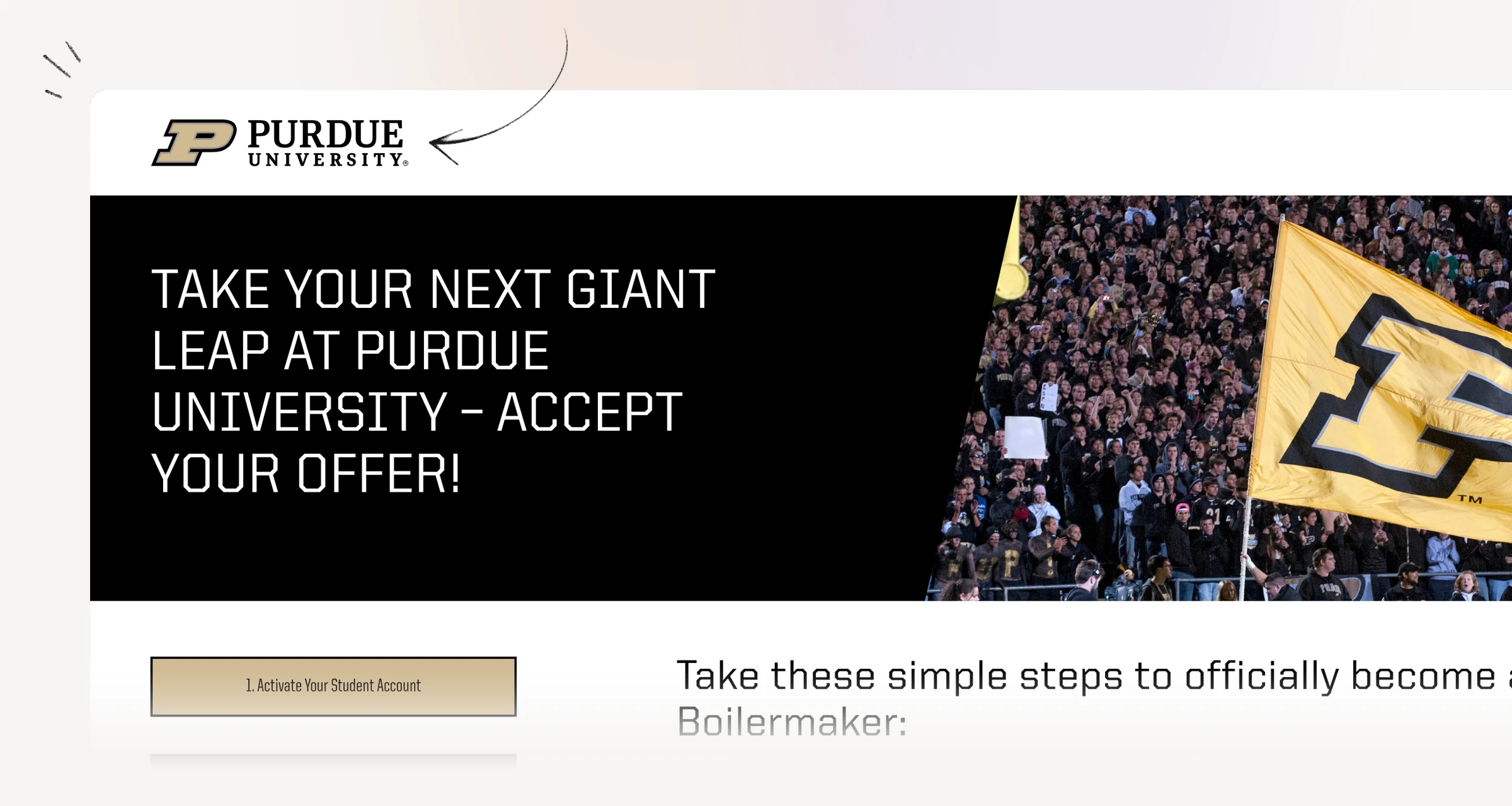
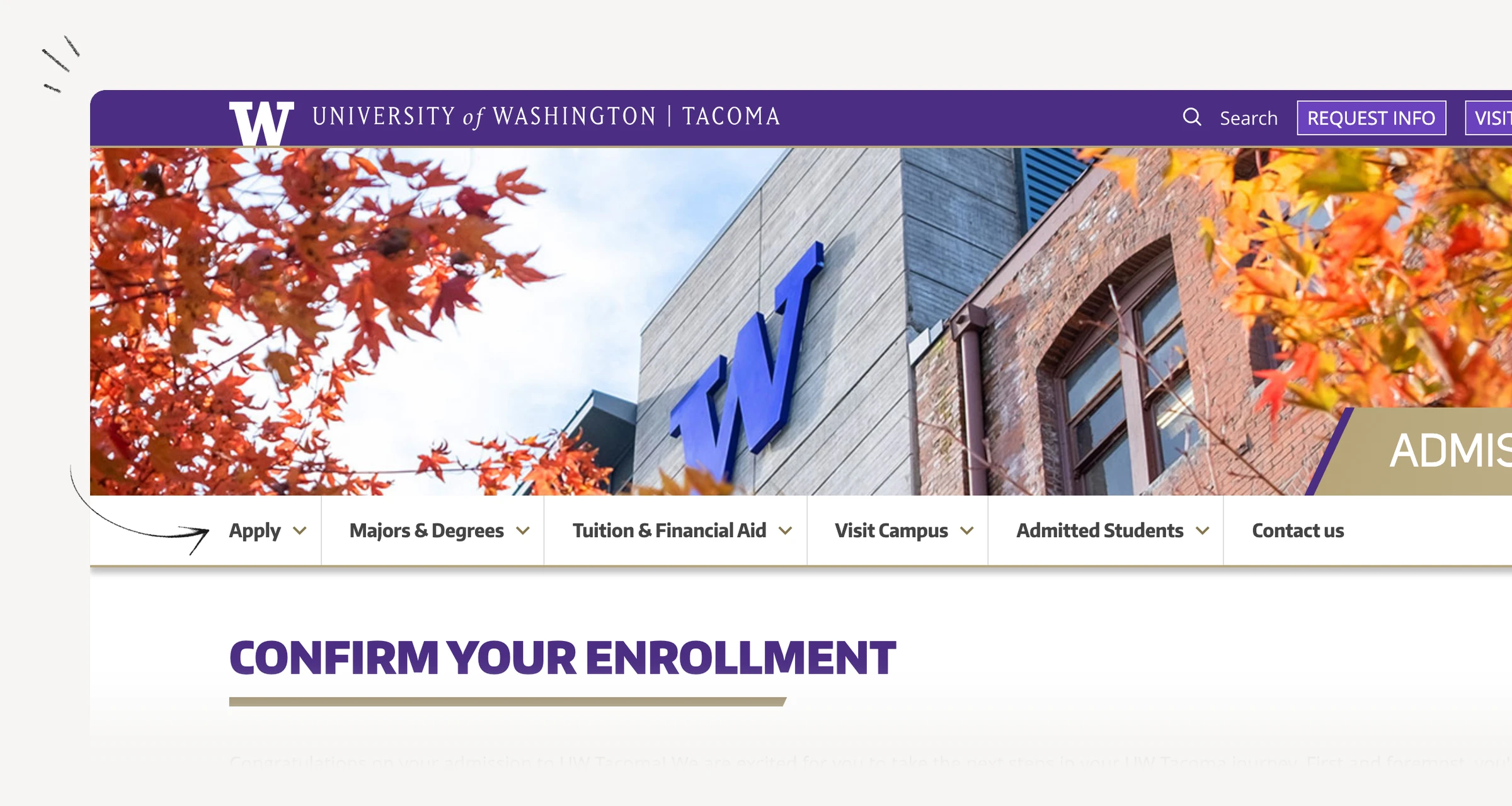
After submitting, save a screenshot or confirmation email and record the date. If the status remains unclear, ask admissions to confirm rather than repeatedly submitting different forms.
3. Send a short email when needed
Use this original template if the school asks for email or you need help finding the correct process:
Subject: Declining admission for (your entry term) — (your full name)
Dear Admissions Team,
Thank you for offering me admission to (your college/program) for (your term). I have decided not to attend and would like to decline the offer. My applicant ID is (your ID). Please let me know if I must complete a portal form or another step to record this decision.
Thank you for your time and consideration, (your Full name)
Provide the identifying information the office requests. Do not include a Social Security number, passwords or unnecessary financial documents. A brief decision is enough; you need not justify why another school suits you better.
4. If you already paid a deposit, check the consequences separately
Do not assume declining admission refunds a deposit or cancels housing. Read the relevant agreements and ask each office about its own cancellation requirements. UW Seattle, for instance, expressly identifies its enrollment confirmation deposit as nonrefundable and nontransferable on the official acceptance page.
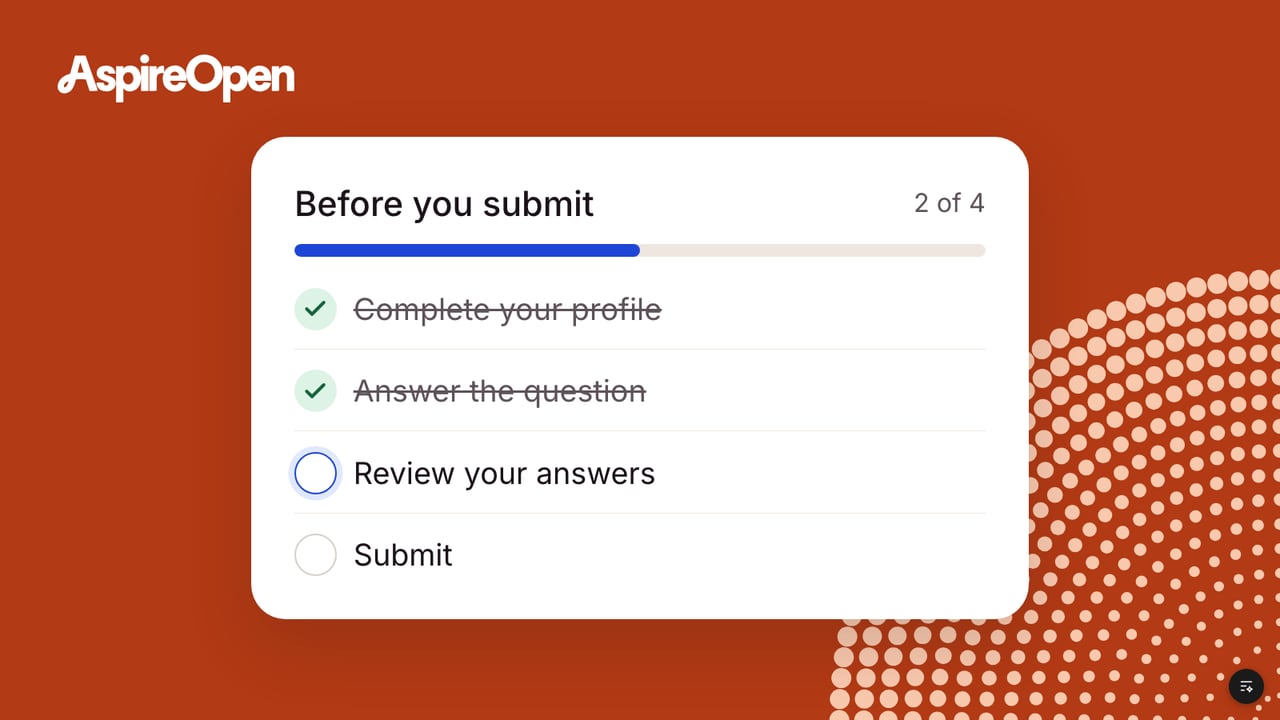
An illustrative change-of-plans checklist has four separate lines: admissions response, deposit policy, housing cancellation, and any registered classes or orientation commitments. Mark each complete only after checking the applicable instructions.
5. Handle waitlist and early-decision changes carefully
If you receive a later waitlist offer, obtain the new college’s official admission and confirmation instructions before giving up your existing place. Michigan’s waitlist FAQ notes that withdrawing after May 1 can mean forfeiting an enrollment deposit. That does not establish every college’s refund or commitment terms.
Early decision is different from a nonbinding offer. Common App’s application dictionary describes it as a binding commitment. If attendance is not financially possible or another serious circumstance arises, contact the admitting institution about its release process. Do not assume the ordinary decline button settles the commitment; get the college’s response in writing.
Final checklist
- Correct institution, campus, program and term.
- Official decline/withdrawal process completed.
- Confirmation saved.
- Deposit and housing questions resolved separately.
- Any early-decision release handled directly with the college.
A clear, timely response is the task. No script can guarantee a refund or future admission.