Information checked October 13, 2026. This is a short, verified shortlist—not a promise that every program is open or available to every student.
Compare the opportunities first
Source: Summer Academy for Math and Science, Carnegie Mellon
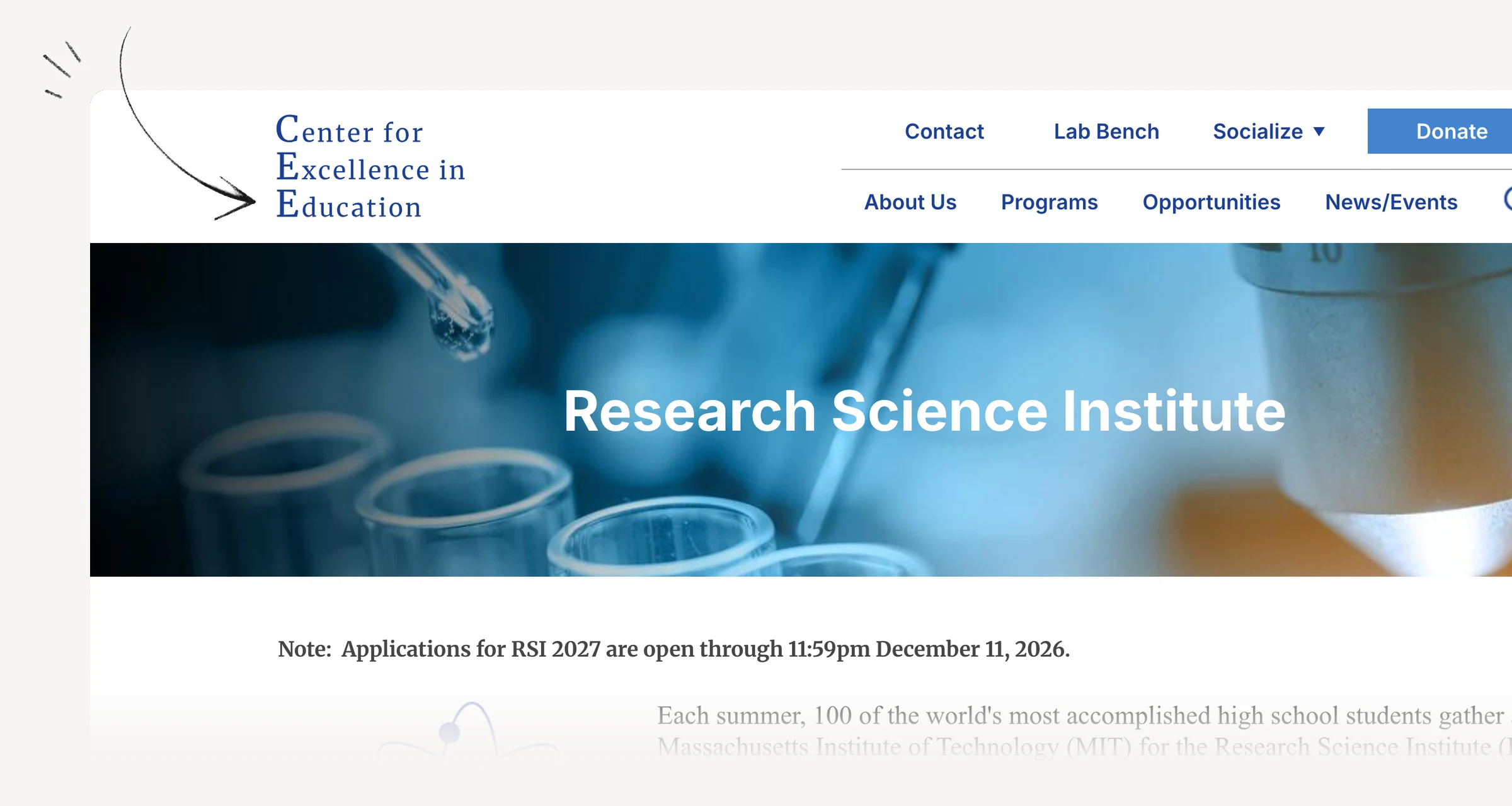
Source: Research Science Institute, CEE
| Program and official link | Academic focus | Key fit | Cost distinction | Published cycle / status |
|---|---|---|---|---|
| Research Science Institute, CEE | Science and engineering research | High school juniors; not seniors | Provider describes participation as cost-free; confirm application and travel costs separately | 2027 application open; deadline December 11, 2026, 11:59 p.m.; time zone not stated on this page |
| Summer Academy for Math and Science, Carnegie Mellon | STEM courses and projects | Current juniors; US citizens or permanent residents; at least 16 by June 26, 2027 | Fully funded participation; travel to and from Pittsburgh is the student’s responsibility | 2027 program and February 1, 2027 deadline published; open status not established here |
| Princeton Summer Journalism Program | Journalism and college preparation | High school juniors from limited-income backgrounds | Free year-long program; confirm detailed travel and incidental arrangements | Provider says 2027 applications will open in November; not open as of this check |
A well-known former option is not on the active list: Telluride Association has announced that TASS will not run in summer 2027. Do not use its older 2026 application page as a 2027 opportunity.
Research Science Institute: check the junior-year route
CEE’s RSI combines academic instruction and mentored research. Its official page identifies juniors as eligible and explicitly excludes seniors. The provider has published a 2027 application deadline and announced expansion to Stanford alongside MIT.
Next action: Use the current application instructions to check your country-specific route, required materials, and any costs not included in the phrase “cost-free.” The overview does not establish that every applicant has identical travel funding or a fee-free application. Do not rely on an old FAQ from a different cycle.
SAMS: tuition-free is not travel-free
Carnegie Mellon describes SAMS as a fully funded, merit-based STEM program. Its current page states US citizenship or permanent residency, junior status at application, and an age requirement. Financial documentation is part of application review; the program is not a pay-to-attend alternative for applicants who are not selected.
Next action: Review the full eligibility list and documentation requirements before requesting recommendations. Make a travel budget and check whether the required virtual preparation and residential schedule fit your other commitments. The page contains a leftover 2026 opening-day line beside its 2027 schedule; ask the provider about any conflicting date rather than repeating the old line.
Princeton journalism: verify both academic and household criteria
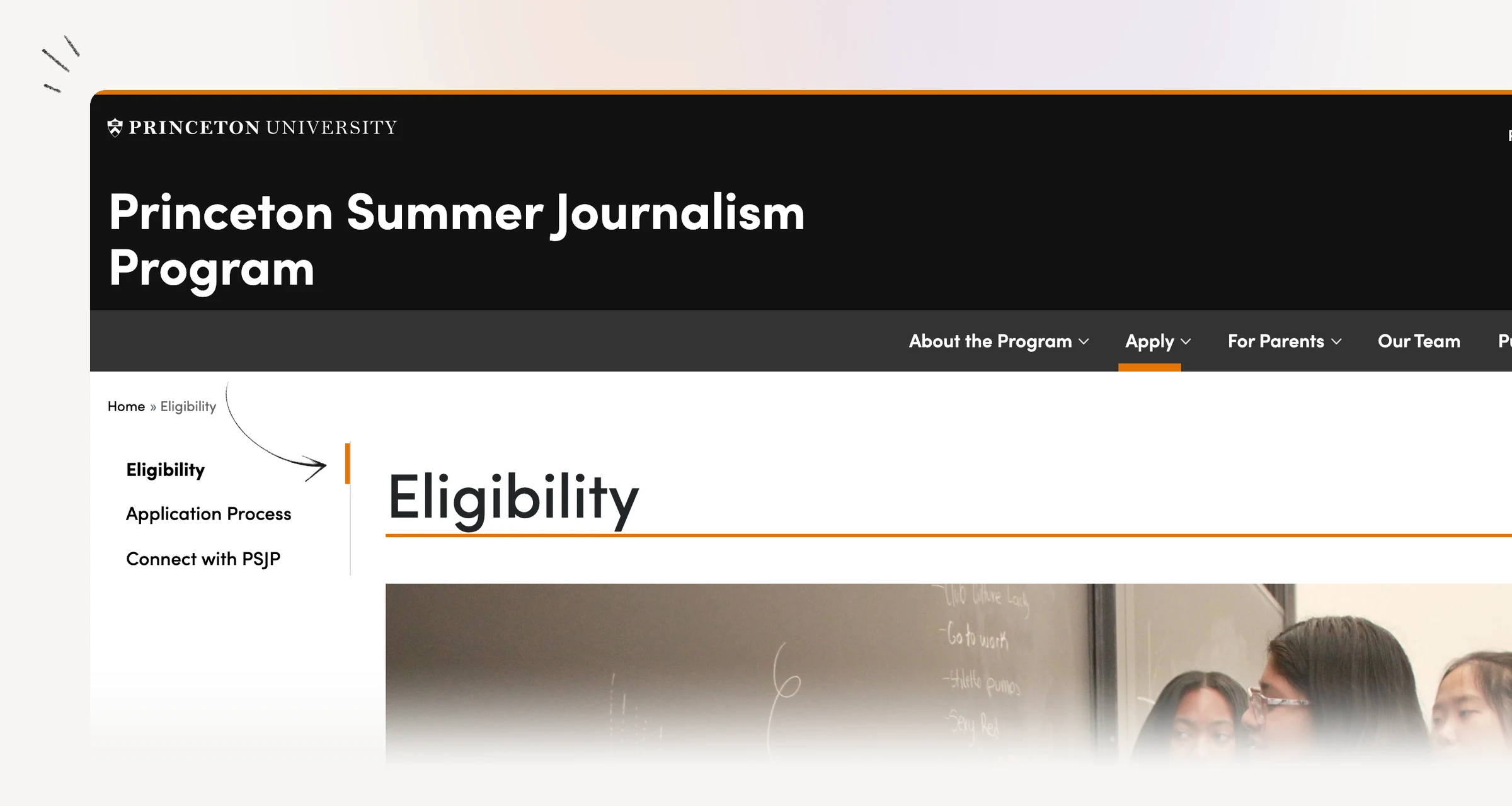
PSJP’s eligibility page requires full-time junior enrollment, a US permanent address and intent to attend college in the United States, interest in journalism, and ordinarily a minimum 3.5 unweighted GPA. It lists socioeconomic routes including qualifying lunch or testing-fee-waiver circumstances and a household-income route. The provider also describes case-by-case consideration of extenuating circumstances.
Next action: Read all residency and visa restrictions, then determine which financial criterion you can document. The home page says the 2027 application will open in November, so prepare rather than treating a past application link as an active submission route. No specific January closing day has been verified here.
Make a full cost and schedule check
Before calling any option affordable, ask:
- Is there an application fee, deposit, or waiver process?
- Who covers transportation, luggage, and local transfers?
- Are housing, meals, materials, and health-related requirements included?
- Are there required virtual dates before or after the residential portion?
- Can I participate while working or handling family responsibilities?
Hypothetical: A student qualifies for a tuition-free residential program but cannot fund transportation. The right next move is to ask about travel support before accepting—not assume the word “free” resolves every expense.
Build a balanced summer plan
These programs are selective. Keep a feasible alternative such as local volunteering, paid work, an independent project, or a school-based opportunity. Choose activities you can meaningfully sustain; participation in a named summer program is not an admissions guarantee.
Shortlist by eligibility first, then by the learning experience and full cost. Request materials only for programs where you can explain your fit.