Compare the plans
| Plan | Commitment if admitted | Key planning question |
|---|---|---|
| Early decision | Binding under the signed agreement | Is this my clear first choice, with affordability investigated? |
| Early action | Nonbinding | Can I finish a strong application early? |
| Restrictive / single-choice early action | Nonbinding, with other early-application restrictions | Do my other applications fit this institution’s exceptions? |
| Regular decision | No early-decision agreement | Do I need more preparation or time to compare offers? |
This table is an orientation, not permission to combine particular applications. Check each college’s actual rules. Do not assume an “ED II” round is nonbinding because it has a later date.
Nonbinding can still be restrictive
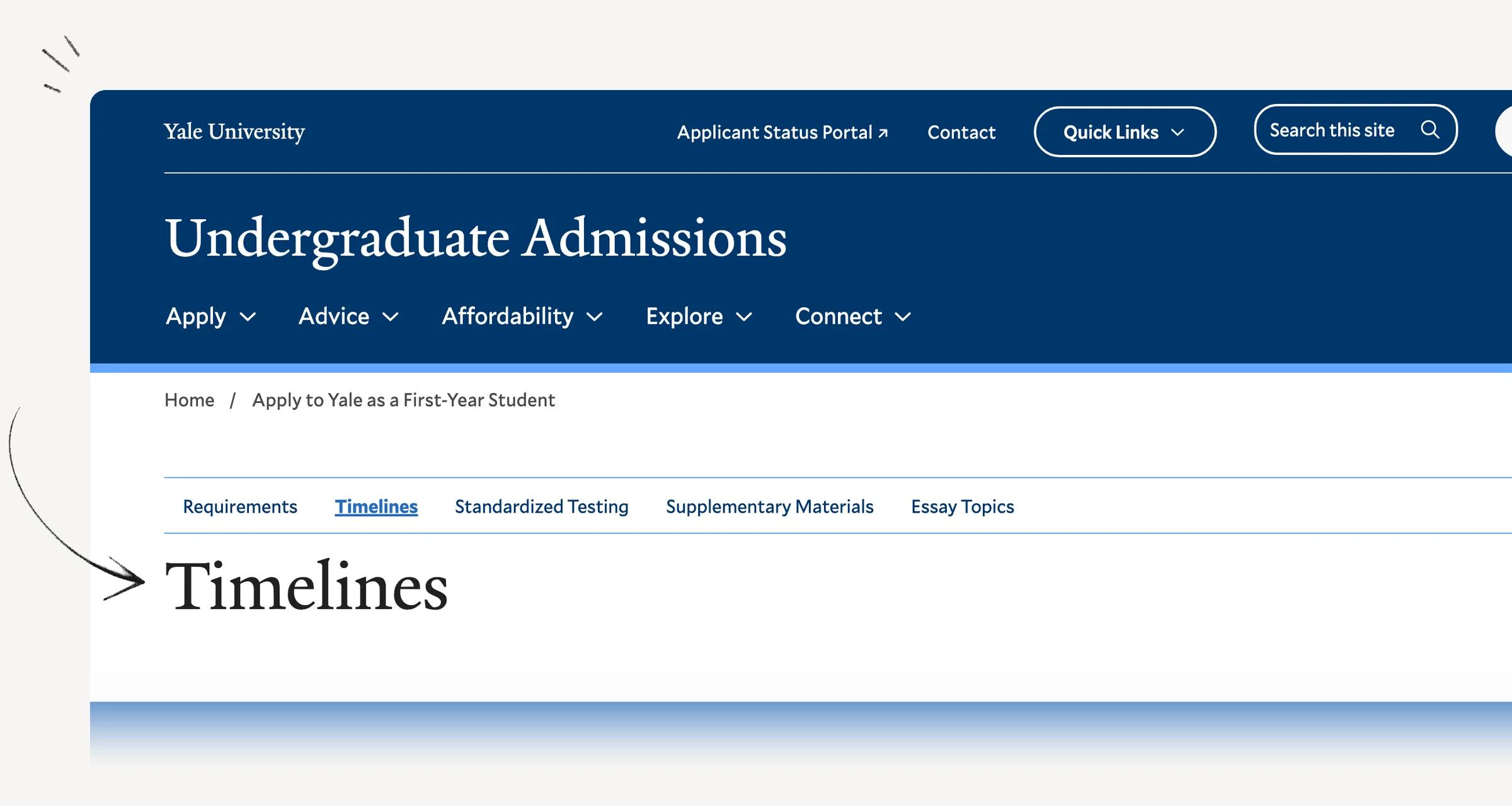
Source: Single-Choice Early Action policy
Yale’s Single-Choice Early Action policy is nonbinding but restricts other early applications. Its published exceptions include certain nonbinding public-institution and rolling programs, institutions outside the United States, and programs notifying applicants after January 1.
Those are Yale’s rules, not a template for every restrictive program. Build a compatibility checklist: name the two colleges, identify both plans, and record the policy language that permits the combination. If the exception is unclear, ask before submitting.
Investigate cost before signing early decision
Complete the college’s net price calculator using accurate household information, then review which aid forms and supporting documents are needed. An estimate is not an award. If the institution’s aid method is unclear for your circumstances, ask the financial-aid office specific questions before applying.
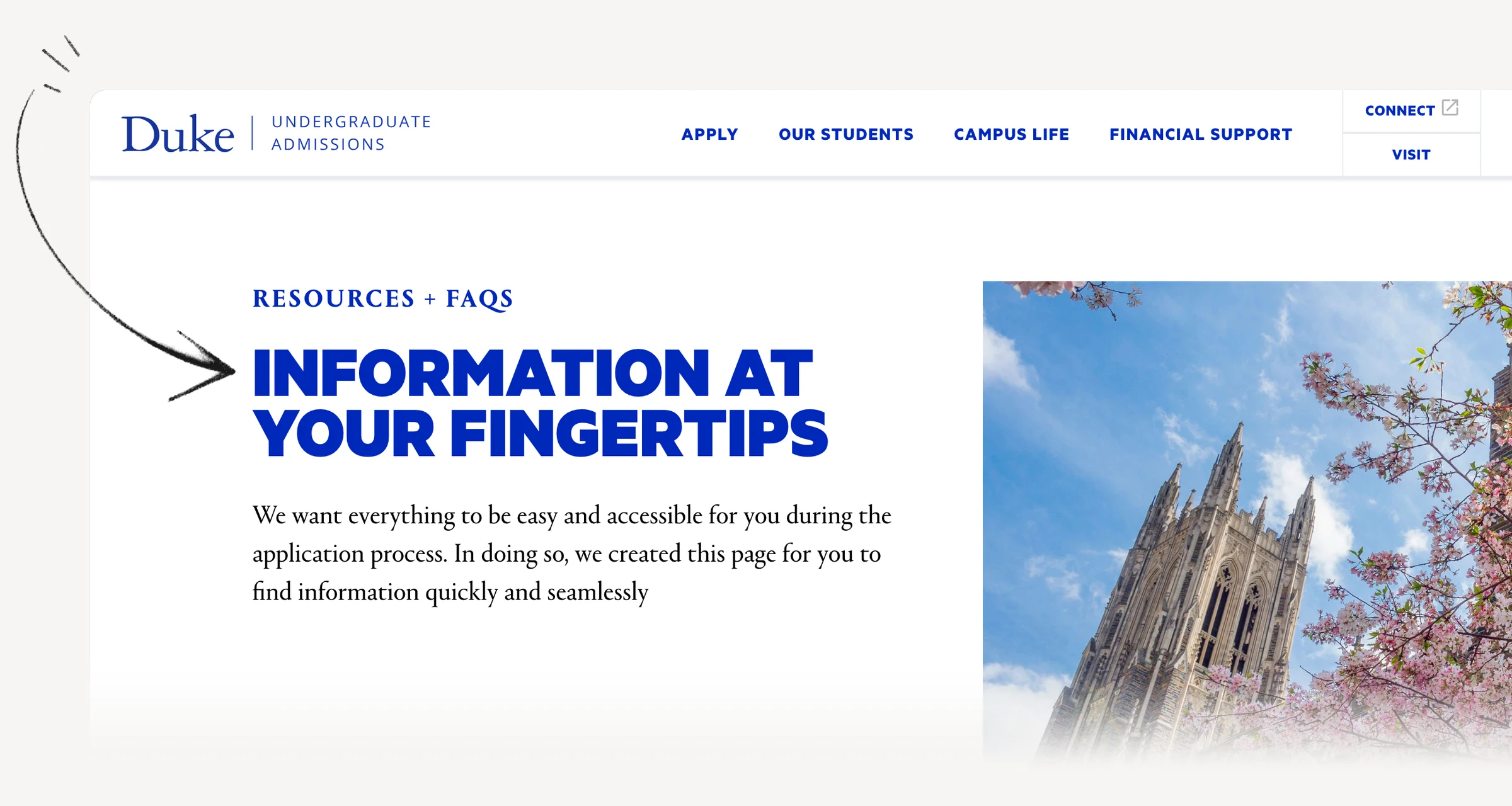
Duke’s official FAQ says applicants who need to compare different schools’ aid packages should apply Regular Decision. It also says financial releases from an early-decision commitment may occur after discussions among the family, financial-support office, and admissions office when attendance ultimately is unaffordable.
That is a documented institutional process—not a general promise that you can disregard a signed agreement whenever another school offers a better deal. Read your college’s agreement and request formal guidance if the award does not make attendance possible.
Worked decision example
Hypothetical: Elena has two favorite colleges and needs to compare their actual scholarship and grant offers. A binding early-decision plan would conflict with that goal. She checks available nonbinding rounds and their restrictions, then selects a plan that preserves meaningful comparison.
Different hypothetical: Marcus has a clear first choice, has investigated the cost with his family, and has a complete application. He can consider early decision after reading the agreement and confirming aid requirements. This does not mean he should apply early just because a published early acceptance rate is higher.
Do early applications improve your chances?
Do not treat round-level acceptance rates as your personal probability. The groups applying in different rounds can differ, and a rate does not tell you what would happen to the same application under another plan. Institutional statements can differ too: Yale describes the same evaluation criteria across its timelines, while Duke discusses an early-decision advantage in its own FAQ. Neither establishes a universal result for all colleges.
A better planning question is whether your strongest application is ready and whether the commitment fits your financial needs.
Prepare for more than one outcome
An early application may lead to admission, denial, or deferral, depending on the college’s policies. Before submitting, note what the institution asks deferred students to do and whether a denial prevents a later application in the same cycle. Keep other permissible applications moving instead of assuming an early answer will remove all remaining work.
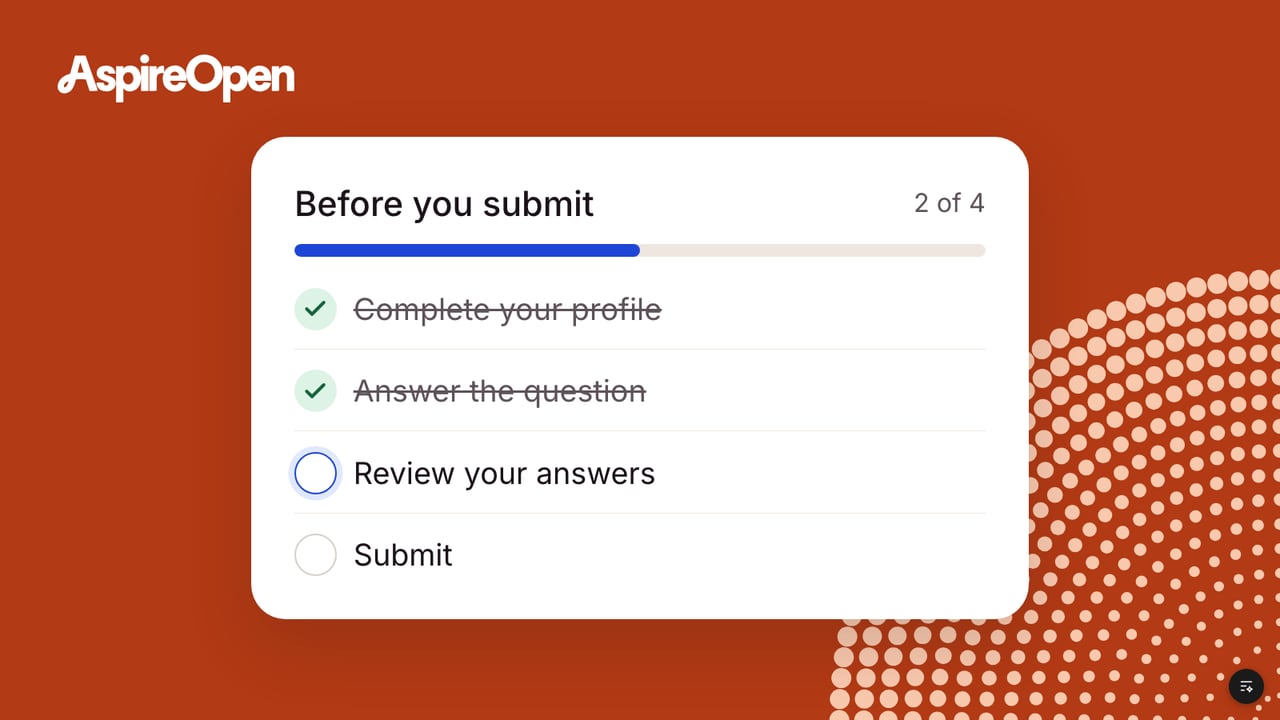
Pre-submission checklist
- I understand whether the plan is binding
- I checked restrictions against every other early application
- I investigated affordability and required aid forms
- My materials are ready for this deadline
- I understand the agreement and any required signatures
- I have a plan for deferral or denial
Choose the round that matches your readiness and decision needs, not merely the earliest available date.
Source review: October 13, 2026. Confirm current application requirements with the provider.