Common App’s published interface guidance gives a 250–650-word range for the personal essay and notes that colleges differ in whether they require it. Verify the live field and each college’s requirements. A college supplement can have a completely different limit.
The seven themes and useful drafting questions
| Prompt theme | Your drafting question | Trap to avoid |
|---|---|---|
| 1. Meaningful background, identity, interest or talent | What experience helps explain something essential about me? | Giving a label without a lived example |
| 2. Challenge, setback or failure | What did I do next, and what did I learn? | Spending the whole essay describing the problem |
| 3. Questioning a belief or idea | What changed my thinking, and what followed? | Treating disagreement as proof of insight |
| 4. Unexpected gratitude | How did another person’s action change my own behavior? | Writing mainly about the other person |
| 5. Personal growth | Which event or realization changed my understanding? | Claiming growth without showing a change |
| 6. Intellectual engagement | What do I pursue, and how do I learn more? | Listing interests without investigation |
| 7. Topic of your choice | What focused story belongs in this application? | Assuming an open topic needs no structure |
The questions and traps are editorial writing aids. No theme carries a promised admissions advantage.
Start with three moments, not three impressive titles
List three specific experiences: a choice you reconsidered, a problem you investigated, or a moment that changed how you acted. For each, write what happened, what you personally did, and what changed afterward.
A job shift, family routine, hobby, classroom project, or conversation can supply useful material. You do not need to invent hardship or choose the largest achievement on your résumé. The test is whether the experience reveals something you can explain with detail and reflection.
Choose the prompt after testing the story
Try describing the story in five sentences:
- The situation
- The tension or question
- Your action
- The result or discovery
- What it means now
Then compare that summary with the official prompts. If your story fits more than one, select the question whose full requirements you can answer most naturally. Do not force an invented failure into a growth story merely to fit a prompt label.
Original annotated example
Invented teaching passage, not a real applicant’s submission:
“I had built the club’s scheduling sheet around my own free afternoons. When two members stopped attending, I assumed they had lost interest. Asking them revealed the problem: my schedule excluded their bus routes. I rebuilt the sheet around everyone’s constraints.”
What this could support:
- A growth essay about noticing an assumption
- A belief-challenge essay about changing how the writer defines participation
What still needs development: why the writer made the assumption, how they responded to feedback, and whether the new habit persisted. The passage is not an acceptance-proven formula. Its usefulness is the relationship between a concrete action and reflection.
Give the middle of the essay a job
An opening scene is useful only if the reader can follow what happened next. In the middle, show the decision or inquiry that matters. In the ending, explain what changed without announcing that one event permanently solved every weakness.
Use a revision test: remove any sentence that merely repeats “I learned leadership,” “I became resilient,” or another broad conclusion. Replace it with a specific action or observation where possible. Preserve your voice instead of replacing ordinary language with words you would never use.
Get feedback without surrendering authorship
Ask a reader whether they understand the event, what they learned about you, and where the meaning becomes vague. Ask for questions and observations, not a replacement essay.
Keep factual claims accurate. Protect the privacy of other people. If a story contains sensitive information, decide what is necessary for your own point rather than treating disclosure as a requirement.
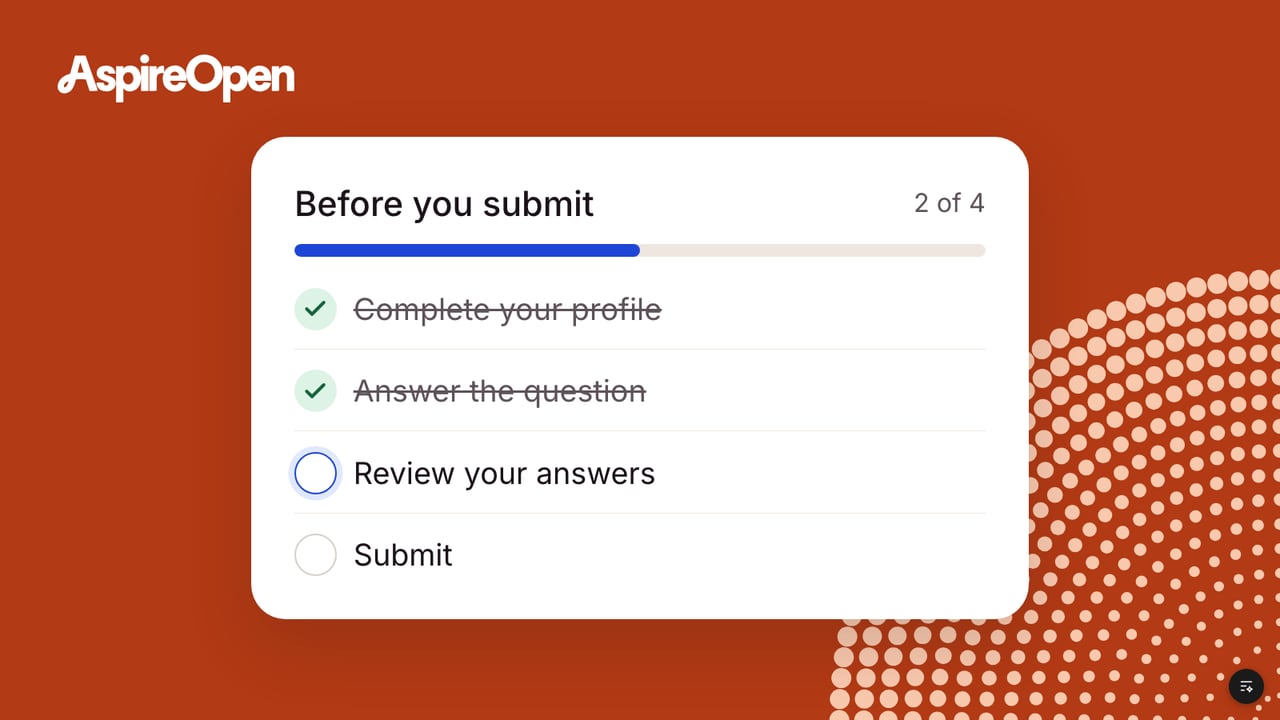
Final submission check
Source: Common App first-year guide
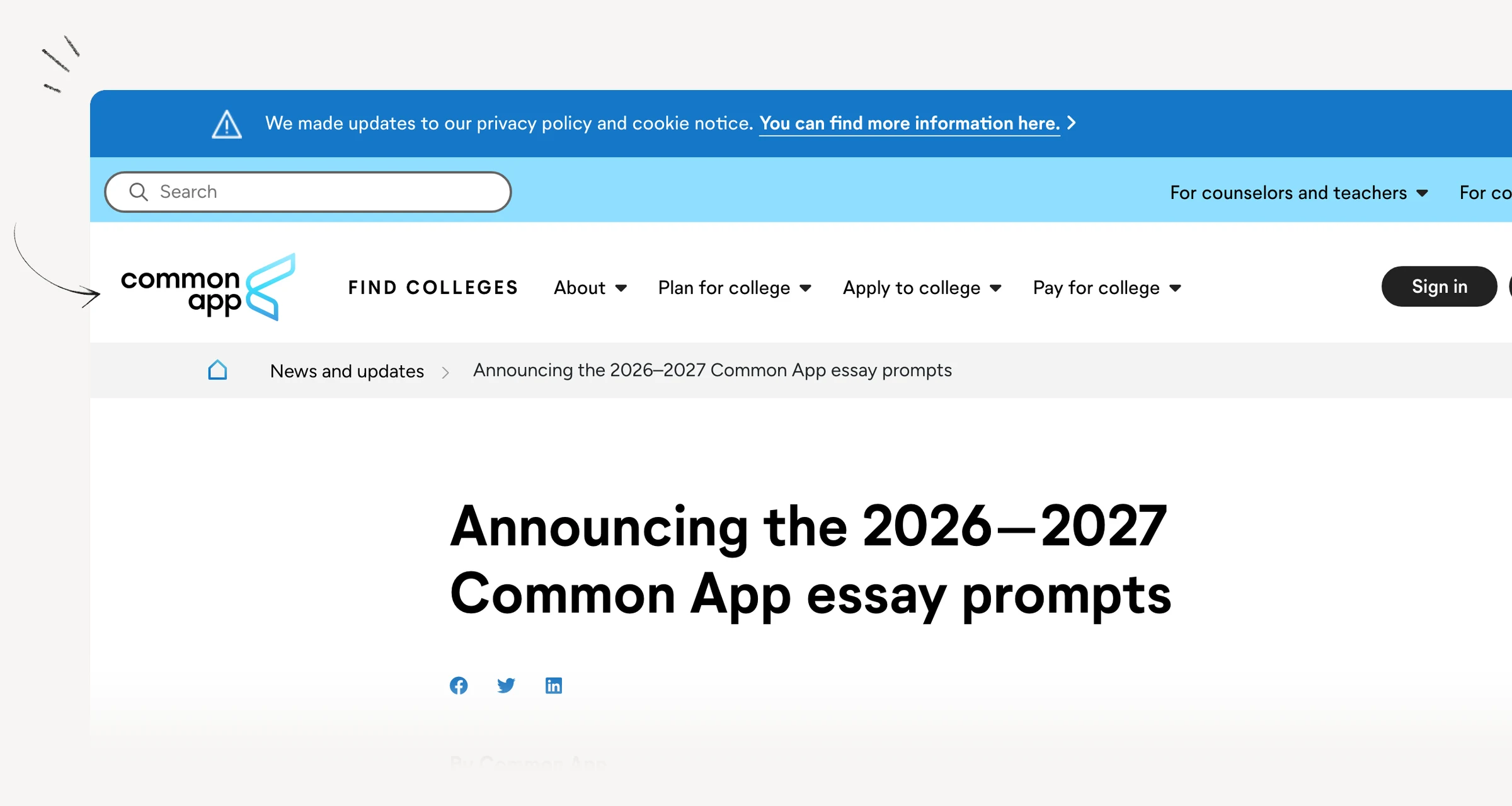
Source: Common App announcement
Source: official prompt wording
- My response answers every part of the chosen official prompt
- It adds something beyond my activity list
- The story, details, and reflection are mine
- Names, dates and claimed results are accurate
- The live field’s word count and preview are correct
- College-specific requirements and supplements are separately complete
Your next move: draft one five-sentence story summary, select its best-fitting prompt, and expand only the details needed to make the change understandable.
Source review: October 13, 2026. Confirm current application requirements with the provider.